THC Drinks & Gummies vs. Alcohol: What New Research Actually Shows

A tightly controlled study from Brown University’s Center for Alcohol & Addiction Studies put heavy drinkers who also use cannabis into a “bar lab.” After smoking cannabis, they could either sip alcohol or take cash. The result: participants who used higher-THC cannabis (~7.2%) drank about 27% less alcohol over the next two hours; a lower dose (~3.1%) led to roughly 19% less drinking. Lead author Jane Metrik summed it up plainly:

“After people smoked cannabis, they drank about a quarter less alcohol over the next two hours.” — Jane Metrik, PhD

Cravings were mixed (a short, immediate dip but not a uniform change across measures), which suggests cannabis may reduce drinking for some situations more than others. The study didn’t test edibles or beverages directly, but it adds credible data to what many “California sober” adults report: swapping in a low-dose THC ritual often means fewer pours.

Related reads: Hemp THC Ban in Spending Bill: What It Means & Next Steps · Wisconsin Hemp on Edge: What the Budget Bill THC Ban Means · Why More Seniors Are Reaching for Cannabis – Quietly, Confidently

Why Drinks & Gummies Help People Drink Less

Predictable dose, social ritual, easier “no thanks.” Low-dose beverages (2–10 mg) and measured gummies make it simple to set a limit before the night starts. You still get a hand-to-mouth ritual and something to hold at a party—without stacking rounds.

  • Dosing & pacing: It’s easier to start low, wait 30–60 minutes, and decide if you need more.
  • Sleep & next-day feel: Many users report better sleep quality and less morning drag compared to alcohol.
  • Culture shift: THC beverages are showing up in bars, venues, and retail—offering a normalized alternative to beer or cocktails.
“Alcohol sales have dipped as THC becomes more accessible… many consumers report using THC beverages as alternatives to alcohol.” — Marcel Bonn-Miller, PhD

Important guardrails: the Brown team cautions that this was a short, lab-based study with smoked cannabis. Co-use (mixing alcohol and THC) wasn’t examined, and not everyone experiences the same effect.

How to Try a “Less Alcohol” Month—Safely & Intentionally

  1. Pick your lane: Choose a consistent format (e.g., 5–10 mg drink or a measured gummy). Avoid mixing with alcohol on the same night.
  2. Start low, go slow: Begin with the smallest effective dose and give it time to work before considering more.
  3. Track swaps: Note nights you replaced alcohol with a THC beverage or gummy and how you slept/felt next day.
  4. Mind the basics: Don’t drive, operate machinery, or combine with sedatives. Keep all products secured and out of reach of children.
  5. Know the limits: If you have (or suspect) alcohol-use disorder, talk to a clinician; cannabis isn’t a proven treatment.


“This is a first step… we need more long-term research before drawing public-health conclusions.” — Jane Metrik, PhD

“It might be easy to believe swapping alcohol for cannabis is a win—we don’t yet know if that’s true long-term.” — Riana Durrett, JD

Bottom line: for many adults, low-dose THC drinks and gummies can make “one less drink” the default. If you’re exploring that path, choose clearly labeled, lab-tested products and keep your goals tight: fewer pours, better mornings.

More context: Hemp THC Ban in Spending Bill: What It Means & Next Steps · Wisconsin Hemp on Edge: What the Budget Bill THC Ban Means · Why More Seniors Are Reaching for Cannabis – Quietly, Confidently

Wisconsin Hemp on Edge: What the Budget Bill THC Ban Means

Wisconsin’s Hemp Moment, On Edge

Across Wisconsin, small hemp makers woke up to an ugly surprise tucked into the shutdown-ending spending bill: a federal cap of 0.4 mg total THC per container—a level many say is functionally impossible for modern hemp foods and beverages. The change doesn’t hit overnight, but it sets a one-year fuse that could shrink shelves and shutter workshops. Brands that grew under the 2018 Farm Bill now face a rule that treats nearly everything with detectable THC as contraband, even CBD with trace amounts that help formulas work. If you’re catching up on the bigger picture, our deep dive—Hemp THC Ban in Spending Bill: What It Means & Next Steps—lays out the dates, definitions, and what regulators are signaling next.

Meanwhile, delivery platforms and retailers are feeling the heat, too—see the compliance crosswinds in DoorDash, THC, and the Virginia Line.

What Wisconsin Owners Are Saying

Makers from Eau Claire to Wauwatosa describe the new limit as a de facto prohibition. One owner told local press the plant “struggles to grow to meet that guideline before it’s even harvested,” warning that “99% of the industry” could be wiped out. Another said the customers he sees—teachers, nurses, retirees—aren’t looking to get wrecked; they want sleep, less pain, fewer anxious nights. They’re not asking for chaos; they’re asking for rules that make sense: age limits, lab tests, child-resistant packaging, trained staff. That’s regulation. What’s coming feels like something else.

  • Economic hit: thousands of Wisconsin jobs and a fast-growing manufacturing base.
  • Public-health risk: bans push people to gas-station mystery jars or interstate runs.
  • Simple fix: licensee standards, testing, and honest labels instead of blanket caps.

For how older adults are using low-dose formats responsibly, see Why More Seniors Are Reaching for Cannabis.

How to Navigate the Next Few Months

Check labels (COAs, batch numbers, serving sizes). Choose tested brands that publish results and use child-resistant packaging. Follow state updates—Wisconsin may craft its own rules in the gap year. And keep a personal journal: what dose helps sleep, what format eases joints, what to avoid on busy days.

No panic, just intention. But if these rules land as written, selection tightens. If you rely on specific low-dose gummies, coffees, or drinks, consider building a small, sensible stash now while it’s fully legal and in stock. When the dust settles, we’ll keep showing up with clear labels, third-party tests, and formats that fit real lives. Until then—eyes open, receipts saved, and shop smart.

Why More Seniors Are Reaching for Cannabis – Quietly, Confidently

Across retirement communities and backyard card tables, the conversation has shifted from “is it legal?” to “what worked for your knees?” Stigma keeps losing ground. Between 2021 and 2023, cannabis use among Americans 65+ rose by roughly 46% (JAMA Internal Medicine). It tracks: better sleep, gentler moods, fewer aches, and a desire to stay social without the morning-after drag of alcohol.

Access is part of the story. Delivery platforms, neighborhood shops, and compliant online stores have made low-dose options easy to find—though rules vary by state. For a refresher on the regulatory maze, see DoorDash, THC, and the Virginia Line: What Shoppers Need to Know. Culture is shifting too: even mainstream voices are saying the quiet part out loud—THC beverages are becoming normal. (More on that in Seth Rogen Says THC Drinks Are Taking Over – Here’s Why.)

If you’re new, think of cannabis not as a dare, but a tool- dose, timing, and format matter more than bravado. Seniors are discovering that the right format often beats the right story.

Gummies, Drinks, and Coffee: Formats That Fit Real Life

  • Gummies (predictable, discreet): Consistent per-piece dosing and longer relief. Typical senior-friendly starts: 2.5-5 mg THC. Wait a full 2 hours before taking more.
  • THC Drinks (fast, flexible): Many emulsified beverages begin working in 15–45 minutes and taper smoothly—easy for social settings and evening wind-downs. See the cultural tailwind in this piece.
  • THC or CBD Coffee (ritual, routine): Pairing cannabinoids with morning or mid-day coffee lets people micro-dose and observe effects alongside a familiar habit. Many prefer CBD-leaning blends for focus, reserving low-dose THC for late-day aches.

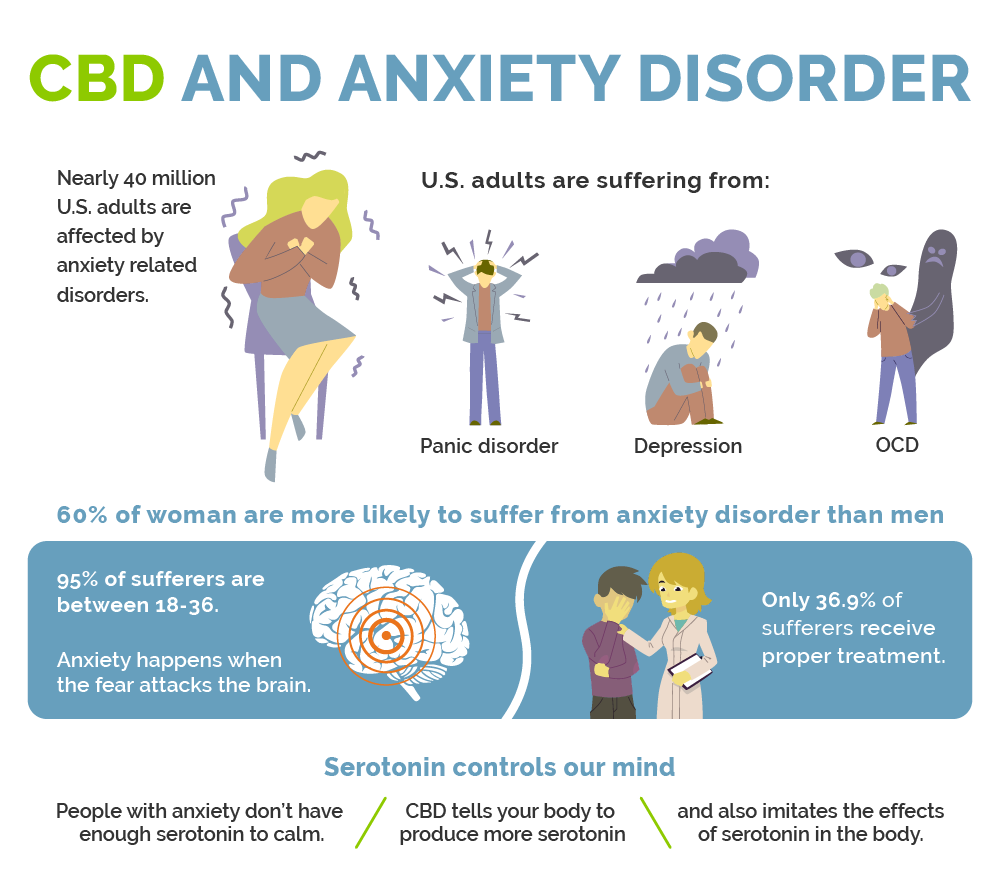
Why CBD matters: For many seniors, CBD softens the edges. A recent summary we covered shows short-term CBD use correlating with lower anxiety in just a week- useful when pain and worry travel together. Read New Study: CBD Use Linked to Lower Anxiety in Just One Week.

Safety first: Avoid smoke and high doses. Edibles and drinks aren’t risk-free- start low and go slow, especially if you manage heart or metabolic conditions, and talk to your clinician about meds that interact (blood thinners, sedatives). Keep products locked away from kids and pets, label your doses, and journal what works.

The Road Ahead and a Practical Note on Timing

The senior wave isn’t a fad- it’s pragmatism. People want to play nine holes, sleep through the night, and wake up clear. Low-dose gummies, drinks, and coffees make that possible with fewer social and physical downsides than booze.

Policy, however, is moving. Congress tucked a national hemp-THC restriction into the latest shutdown compromise. If enacted, many current products could be reshaped or disappear after a transition period. Get the plain-English breakdown here: Hemp THC Ban in Spending Bill: What It Means & Next Steps.

If gummies, drinks, or cannabinoid coffees are part of your routine, this is a good time to plan ahead while selection is broad and labeling is familiar. Then keep learning- the rules, the doses, the formats. For deeper context on delivery and state lines, revisit DoorDash, THC, and the Virginia Line, and for where beverage culture is headed, see Seth Rogen’s take on THC drinks. Aging well is about options- make sure you keep yours.

Hemp THC Ban in Spending Bill: What It Means & Next Steps

The Quiet Add-On With Loud Consequences

While everyone was watching the clock on a government shutdown, a different timer started ticking. Buried in the spending package is language that would ban consumable hemp products with THC—the same low-dose gummies and drinks many adults use instead of beer or sleep meds. Sen. Rand Paul tried to strip the ban; the Senate tabled it. Rep. Thomas Massie filed a matching fix in the House; the Rules Committee never let it reach the floor. The bill moves, the ban stays—for now.

Supporters frame it as a public-health patch; critics see a backdoor rewrite of the 2018 Farm Bill. Even some who voted “yes” admit the solution is blunt. One senator floated a one-year runway to craft real rules before any ban bites. Translation: the debate isn’t over, but the window to shape it is small.

For context on why people are reaching for cannabinoids in the first place, see New Study: CBD Use Linked to Lower Anxiety in Just One Week and how delivery platforms complicate enforcement in DoorDash, THC, and the Virginia Line: What Shoppers Need to Know.

What Would the Ban Actually Do?

In plain English: anything labeled “hemp” that contains a quantifiable amount of THC and is meant to be eaten or drunk could be off the table at the federal level. That sweeps in a lot—micro-dose seltzers, tinctures, sleep chews—regardless of whether they’re sold responsibly with COAs and age gates. States that built their own compliant markets would face a federal crosswind, and retailers would be forced to redraw their shelves…again.

  • Who’s impacted: Consumers who prefer low-dose THC; small brands following the 0.3% delta-9 by dry-weight rule; mainstream retailers that recently tested THC beverages.
  • What’s unclear: How “quantifiable” thresholds get measured across labs; how enforcement treats full-spectrum CBD with trace THC; what happens to interstate shipments already in motion.
  • Timeline: If enacted as written, there’s talk of ~one year before full effect—time that could be used to design a sane, science-based framework.

Why all the heat? Because THC beverages are having a moment. Even cultural bellwethers are taking notice—see the trend piece Seth Rogen Says THC Drinks Are Taking Over – Here’s Why.

How to Navigate the Next Few Months

Stay calm, stay informed, and buy smart. Look for transparent labels, batch QR codes, and third-party lab results. If you have a routine that’s working—sleep, mood, post-shift recovery—consider mapping out a personal supply plan that’s reasonable, not panicked. Laws shift; your wellness shouldn’t whiplash with them.

Use your voice, too. Policymakers are openly discussing a regulatory alternative. Tell them you want clear standards, not chaos: age-gating, potency caps, verified testing, and interstate rules that make sense for adults and public health.

And yes, a little practical FOMO: if your go-tos are hemp-derived THC or full-spectrum CBD, it’s wise to stock up modestly while everything remains available. If the final bill changes course, you’ll be fine. If it doesn’t, you’ll be prepared.

Seth Rogen Says THC Drinks Are Taking Over – Here’s Why

Seth Rogen’s Read on the Room

Ask Seth Rogen where the cannabis market is headed and he doesn’t dance around it: THC drinks are “very clearly a hot area of discussion,” and the push to restrict them means “someone is very threatened.” He’s watched lawmakers and lobbyists circle the category as more people trade a beer for a low-dose sip. His take is blunt, but the reasoning is simple—consumer curiosity is outrunning old assumptions.

Rogen calls THC beverages a “really good entry-level weed product” for people who’ve been wary of cannabis. It’s dosing you can understand, a social ritual you already know, and a gentler lift than most expect. If you’re tracking the broader shift away from alcohol, this echoes other wellness signals we’ve covered—like our roundup on anxiety research in New Study: CBD Use Linked to Lower Anxiety in Just One Week and even the deep roots of hemp in Columbus Day & Hemp.

Quotes That Explain the Moment

Rogen isn’t just cheerleading—he’s diagnosing the culture shift. “A lot of people are looking for some sort of release,” he says, and for many, a 2–5 mg drink lands right where they want to be: conversational, not couch-locked. He also pushes back on bans: “We’re not stupid. We know what this does. We know it’s not more dangerous than alcohol.”

He points to the everyday places where THC beverages are showing up—“restaurants… bars… sports arenas”—and adds, “If you sell beer, there’s no reason not to sell [THC beverages].” That’s the crux: make access as ordinary as ordering a lager, and stigma falls away. The category’s growth isn’t a gimmick; it’s people choosing a familiar format with a clearer, often lighter effect profile.

Policy Crosswinds—and How to Navigate

Of course, policy is messy. Some states welcome low-dose hemp drinks; others tighten the screws. That friction is front-and-center in Virginia’s litigation climate and delivery debates—context we unpacked in DoorDash, THC, and the Virginia Line. Rogen’s view on restrict-and-ban efforts—“patronizing… treating people like they’re idiots”—captures why the conversation keeps spilling out of hearing rooms and into everyday life. Consumers are voting with their cart.

If you’re THC-drink-curious, start low (2–5 mg), give it 30–45 minutes, and keep water nearby—especially if you’re new. And if you’re ready to try a classic, our own Orange Cream low-dose THC drink is crafted for that social, steady lane—while our sister brand Crafty explores more flavors, canned options, and mixable THC “shots” for at-home cocktails. The market is moving because people are, too.