Charcoal Tips Strip Terpenes – Choose Gummies & Drinks Instead


Charcoal Filters Promise “Cleaner Smoke.” The Chemistry Says Otherwise.

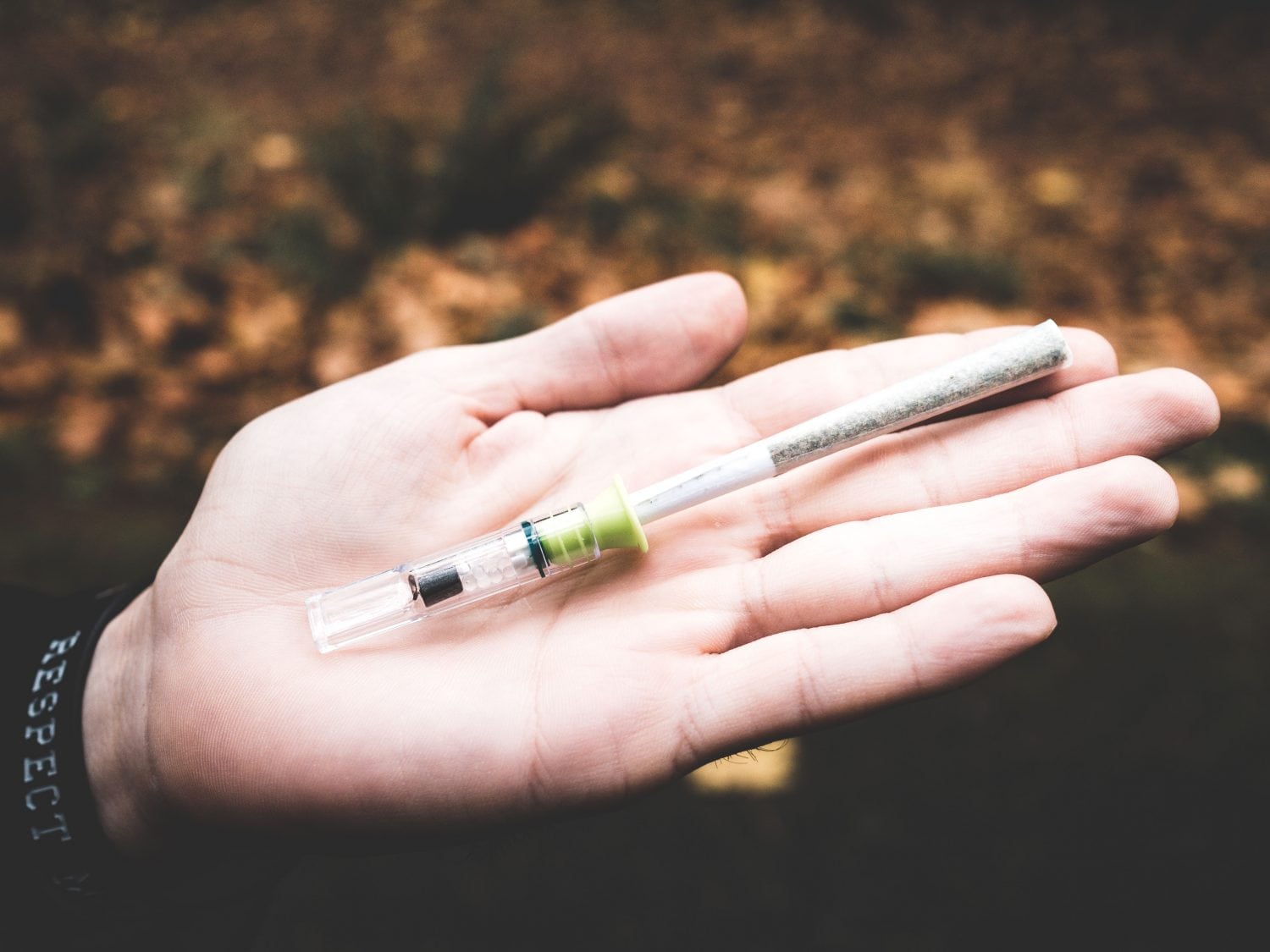
Activated charcoal sounds clinical and safe. It’s the same stuff in air purifiers and respirators, so the pitch is easy: drop a tiny carbon capsule on your joint and—presto—“cleaner smoke.” The reality is less magical. Charcoal is engineered to grab volatile compounds. In smoke, that means the fragrant aromatics that make flower taste like itself. You’ll often feel a softer draw, sure—but you’ve also stripped away a lot of the character that makes good cannabis worth lighting in the first place.

For bigger context on how cannabis stacks up against alcohol and why many consumers are moving to non-smoked formats, see THC Drinks & Gummies vs. Alcohol: What New Research Actually Shows, our athlete recovery deep-dive CBD & Elite Athletes: Better Sleep, Relaxation & Recovery (2025 Study), and our media-literacy piece How Big Alcohol Spins CHS Into a Panic: Facts, Not Fake News.

What Peer-Reviewed Studies Actually Found

Most of the hard data on charcoal filters comes from tobacco research, but the mechanics of smoke are similar. Two key findings keep showing up:

Translation: charcoal is very good at grabbing gases. It is far less effective at capturing the particles where much of the active payload rides.

Why Flavor Drops First (and the High Feels Flatter)

Terpenes—the citrus, pine, fuel, and floral notes that cue your brain—are volatile aromatics. They live largely in the gas phase of smoke. Charcoal loves those. So the filter “smooths” the draw, but it also strips out a chunk of the bouquet. THC, by contrast, tends to travel on tarry particles; charcoal removes some of it, but not nearly as aggressively as it removes aroma. The net effect many people notice: less irritation, less flavor, and a simpler, less dimensional high.

That’s not placebo—it’s basic adsorption physics. If you value strain expression and entourage effects, a charcoal filter works against your goals.

About That “Reduces Tar” Claim

“Tar” isn’t a single toxin; it’s a lab bucket for all particulates except water and nicotine (or THC in cannabis). Because charcoal primarily removes gases, not particles, “reduced tar” is often more marketing than math. And here’s the kicker: if a filter meaningfully cut particulate tar, it would also cut the active you’re after—since that active mostly rides with the particles.

So are charcoal tips useless? Not exactly. If your top priority is a gentler draw and fewer reactive gases, they can help. If your priority is full flavor and effect fidelity, they’re a tax on the experience.

The Practical Move: Skip Combustion When You Can

If your goal is cleaner inputs and consistent effects, the most evidence-based move is to avoid smoke altogether. Gummies and beverages deliver precision, skip combustion byproducts, and keep the strain’s character intact without a filter stripping the good parts. We make both—thoughtfully dosed, third-party tested, and built for repeatable results.

Shop Workman’s Relief gummies & drinks →

The Ache We Carry: What New Evidence Says About Back Pain & Cannabis

Back pain is the soundtrack under a lot of American days—commutes, desk chairs, old injuries that never sent a postcard before they came roaring back. Two large clinical trials in Europe just handed us something sturdier than rumor: a full-spectrum cannabis oil (THC + CBD + native compounds) beat placebo for chronic low-back pain, and in a separate head-to-head it delivered better relief and sleep over six months with fewer GI complaints than opioids. Not a miracle, not for everyone—but real signal through the static. And here at home, population data keep pointing in the same direction: when states open legitimate medical access, opioid prescribing drops on average, which suggests people and clinicians are looking for safer ways to manage hurt. If you want the numbers without the politics, start with this plain-English brief: Cannabis & Opioids: 16% Fewer Prescriptions After Legalization (2025 Study).

How People Are Actually Using THC & CBD For Backs That Bark

Low-dose THC for evening wind-down. Many back-pain folks start with 2–5 mg THC in a beverage or gummy, then wait 60–120 minutes before considering another small step. The goal isn’t oblivion—it’s dialing pain down enough to move, stretch, sleep. If you’re curious about formats and pacing, this consumer-friendly guide helps: THC Drinks Are Rising: A Simple Guide to Low-Dose Cannabis Beverages (2025).

CBD for daytime calm and sleep support. Early human data suggest some people notice reduced anxiety and better sleep inside a week on consistent CBD. For backs, calm isn’t cosmetic—it’s less guarding, smoother movement. Get the study snapshot here: New Study: CBD Use Linked to Lower Anxiety in Just One Week.

Topicals for local trouble spots. Balms and roll-ons won’t fix a disc, but many people use them like a fire extinguisher for hotspots—before long drives, after yard work, right before bed. Look for clear CBD/THC mg per container, menthol/capsaicin callouts if you like cooling/warming, and current COAs.

Safety notes, the kind you tell friends. Start low. Avoid mixing with alcohol. Older adults: mind dizziness and fall risk. THC may trigger a positive drug test. If you’re pregnant, nursing, on anticoagulants, sedatives, or other meds, loop in your clinician first. Not medical advice—just the careful way to try something new.

From Hemp Sails To Modern Relief: Build A Plan That Travels

Hemp carried wooden ships across impossible water because it was strong, simple, reliable. That same plant family still shows up when we need something that works in the real world—on hard weeks, in noisy houses, across long winters. If you like history with your health, this short read connects the old world to our sidewalks: Columbus Day & Hemp: How Fiber Powered Voyages—and Today.

Practical roadmap: pick one method (evening low-dose THC or daytime CBD), journal pain/sleep for 7–14 days, add a topical for flare-ups, and keep your movement routine humble but consistent. Adjust one variable at a time. Respect your state’s laws, don’t drive impaired, and keep products away from kids and pets.

And when Halloween rolls around and you’re logging ten thousand steps under a plastic mask while your back files a complaint, remember there are hemp-derived, lab-tested options built for nights like that—roll-ons, high-strength CBD tinctures, low-dose THC sippers. Workman’s Relief might have exactly what you need at the end of the block.

A New Kind of Mainstream: 4/20 Goes Pop Culture

Cannabis Culture Is Going Mainstream

As the annual cannabis holiday 4/20 approaches, new data from NuggMD reveals that 76% of cannabis consumers “love it” when non-cannabis brands join the 4/20 conversation. From fast food joints to pet companies, mainstream brands are embracing the culture—and many consumers say it’s about time.

That overwhelming support suggests a clear message: cannabis is no longer fringe. Instead, it’s woven into the fabric of everyday life—and people are paying attention to the brands that support it.

While some still view these efforts as performative, the majority believe that brand participation reflects progress toward normalization and cultural acceptance.

The Consumer Voice: What the Numbers Show

A closer look at the data from NuggMD’s national survey (April 3–13, 2025, 277 participants) offers insight into how modern cannabis consumers feel:

Response % of Consumers
Support Non-Cannabis 4/20 Promotions 76%
Find Promotions Patronizing 24%
Plan to Spend the Same or More on Cannabis in 2025 68%
Reported Drinking Less Alcohol Since Using Cannabis 52%

Consumers increasingly view cannabis as a core part of their wellness routine—and they want brands to meet them where they are. That includes everything from lifestyle integration to stress relief and mindful consumption.

From Niche to Wellness Mainstay

As more people embrace cannabis as part of a balanced lifestyle, it’s clear that wellness and cannabis are no longer separate conversations. Brands that embrace the movement—whether through THC, CBD, or functional botanicals—will help shape the next era of natural health.

At Workman’s Relief, we celebrate 4/20 by continuing to promote trusted products rooted in transparency, quality, and functional support. Because cannabis culture isn’t just a trend—it’s a movement toward healthier living.

Looking to try something new this season? Our wellness-focused THC and CBD formulas offer the daily support your body deserves. Now’s the perfect time to explore what cannabis-infused recovery looks like—with science, not stigma.

Can CBD-Rich Cannabis Help with Autism Spectrum Disorder?

Looking Ahead: CBD’s Future Role in ASD Care

As more states expand their qualifying conditions for medical cannabis, the scientific community is exploring CBD’s therapeutic potential with renewed interest. The latest Cureus review joins a growing body of literature supporting CBD’s potential role in ASD management. Still, researchers urge caution: more randomized controlled trials (RCTs) are needed to determine optimal dosing, long-term outcomes, and interactions with existing therapies. What’s clear is that interest in cannabinoid-based interventions is increasing across both healthcare and legislative arenas. With its anti-inflammatory, neuroprotective, and anxiolytic properties, CBD could soon become a valuable option for those seeking new ways to manage complex neurodevelopmental conditions like autism.

The Shift in Sports Medicine – Cannabis and NCAA Athletes

Cannabis as a Rising Alternative in Sports Pain Management

As perceptions around cannabis evolve, so does its role in sports medicine. New research presented by Jacksonville State University has shown that cannabis use among NCAA athletes may help manage pain, muscle spasms, inflammation, and even sleep quality. These findings come on the heels of the NCAA's decision to remove marijuana from its list of banned substances, reflecting a broader shift toward athlete well-being over punitive measures.

The report cited benefits for conditions like fibromyalgia, highlighting marijuana’s anti-inflammatory properties and its potential to support recovery and post-exercise treatment. Although researchers stress the need for more robust studies, early evidence is promising.

This shift aligns with broader policy changes across professional sports leagues and reflects growing interest in holistic alternatives to traditional medications.

Is Cannabis More Effective Than Traditional Pain Medications?

A growing body of research suggests cannabis may rival or outperform common prescription medications in pain management. In one study, patients reported marijuana as being as effective or better than opioids after three months of use. Below is a comparison of cannabis and traditional medications based on recent findings:

Treatment Type Effectiveness Reported Side Effects Reduction in Other Meds
Medical Cannabis Moderate to High Mild (dry mouth, drowsiness) Yes – opioids, NSAIDs
Prescription Opioids High (short term) High (addiction risk, nausea) No
Non-Opioid Pain Meds Moderate Moderate (GI issues, fatigue) No

Studies also indicate a drop in opioid overdose deaths in states with legalized cannabis access. These findings underscore the potential of marijuana to serve as a safer, effective alternative for chronic pain management—especially in high-impact communities like sports and athletics.

Athletic Policy Reform and the Path Ahead


Policy shifts by the NCAA, NFL, UFC, and others reflect a cultural and clinical pivot away from penalizing cannabis use and toward embracing its therapeutic potential. These changes are backed by studies suggesting that cannabis can lower pain, improve sleep, and reduce dependency on high-risk drugs.

While not every athletic body has aligned with this reform—such as the World Anti-Doping Agency—many U.S.-based leagues are taking progressive steps. States like Nevada have even adopted legislation to shield athletes from penalties for lawful marijuana use.

As more athletes, trainers, and healthcare providers explore cannabis as part of a recovery and wellness toolkit, it’s essential to stay informed. At Workman’s Relief, we’re committed to supporting education, access, and responsible product development in the ever-evolving world of cannabinoid wellness.

Cannabis for Pain and Sleep – A Game Changer for Older Adults

Marijuana: A Safe and Effective Treatment for Pain and Sleep

New research highlights the effectiveness of marijuana in treating pain and improving sleep, especially among older adults. A recent study published in the journal Cannabis found that cannabis use among individuals aged 50 and older led to significant improvements in pain management, sleep quality, and overall well-being.

Among 229 participants in British Columbia and Ontario, Canada, nearly 90% used marijuana to alleviate pain-related conditions such as chronic pain and arthritis. Over six months, 45% of participants reported substantial pain relief, while nearly half reduced their reliance on prescription medications. Notably, the majority preferred oral cannabis products, such as edibles and tinctures, favoring high-CBD, low-THC formulations for therapeutic benefits without strong psychoactive effects.

Importantly, the study found that marijuana was well-tolerated, with less than 5% of participants reporting minor side effects such as nausea or feeling “too high.” The results underscore the growing acceptance of cannabis as a natural, cost-effective alternative to traditional pain relief methods.

Cannabis as an Alternative to Opioids – What the Research Says

In addition to its direct benefits for pain and sleep, medical marijuana appears to play a role in reducing opioid dependence. A federally funded study in the U.S. discovered that legal access to cannabis was associated with fewer opioid prescriptions among insured adults, suggesting that many patients are choosing marijuana over conventional painkillers. Furthermore, states with legal medical or recreational cannabis programs have reported a decline in opioid-related overdoses. Researchers found that opioid prescription rates dropped by up to 8% in regions where CBD products became legally available. Additionally, a study conducted in Utah revealed that marijuana access helped reduce opioid use among chronic pain patients and contributed to a decline in overdose fatalities statewide. These findings highlight a growing trend—more individuals are turning to cannabis as a safer, plant-based alternative for pain relief. With its anti-inflammatory and analgesic properties, marijuana is proving to be a promising solution in the ongoing fight against opioid dependence.

Improving Sleep with Medical Marijuana

Beyond pain relief, marijuana is gaining popularity as a natural sleep aid. A recent survey revealed that 16% of adults aged 21 and older use cannabis to enhance sleep quality—outpacing prescription sleep medications (12%) and alcohol (11%). Among older adults, cannabis use for sleep has nearly doubled in the past three years, with many users reporting improved rest and reduced reliance on pharmaceutical sleep aids.

Scientific studies support these claims. Research shows that cannabis helps individuals with fibromyalgia and other chronic conditions experience deeper, more restorative sleep. Unlike traditional sleep medications, which may lead to dependency or grogginess, cannabis offers a gentler alternative with fewer side effects.

Whether used for pain relief or sleep support, marijuana continues to demonstrate its effectiveness as a natural wellness solution. As research progresses, more individuals are discovering the benefits of cannabis for a better quality of life.

The Shocking Link Between Cannabis & Cutting Back on Alcohol—New Data!

How Cannabis is Helping People Cut Back on Alcohol

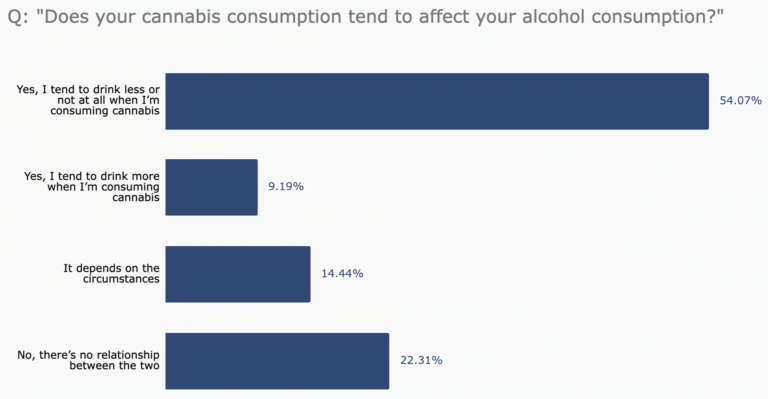
A growing body of research is challenging long-held beliefs about alcohol and cannabis consumption. A new survey conducted by cannabis telehealth platform NuggMD found that more than half of cannabis consumers tend to drink less alcohol—or none at all—after using cannabis.

According to the poll, 54% of respondents reported a decrease in alcohol use, with many citing cannabis as a preferred alternative. This emerging trend, known as the “substitution effect,” suggests that more people are turning to cannabis in place of alcohol for relaxation, stress relief, and wellness benefits.

At Workman’s Relief, we recognize the shift toward healthier choices and are proud to offer high-quality THC and CBD products that align with this movement. As more consumers explore the benefits of cannabis, the conversation around responsible, mindful consumption continues to evolve.

The Wellness Shift: Cannabis as a Safer Alternative

The shift from alcohol to cannabis is more than just a trend—it’s a wellness movement. Research suggests that consumers are choosing cannabis over alcohol because they perceive it as a safer, less harmful option. Studies backed by organizations like the National Institute on Drug Abuse (NIDA) have shown that daily cannabis use is increasing, while alcohol consumption is seeing a decline.

One key reason for this shift is the growing awareness of alcohol’s negative effects, including liver damage, addiction, and impaired cognitive function. In contrast, cannabis is often viewed as a way to unwind without the hangover or long-term health risks associated with alcohol. Additional studies have even linked cannabis legalization to a reduction in beer sales, reinforcing the idea that consumers are making a conscious switch.

At Workman’s Relief, we support this shift toward mindful consumption. Our THC and CBD products provide a natural, enjoyable alternative to alcohol, whether you’re looking to relax, relieve stress, or enhance your social experiences—all without the drawbacks of traditional alcohol consumption.

Experience the Cannabis Revolution with Workman’s Relief

The trend is clear—more people are turning to cannabis as a wellness-forward alternative to alcohol, and the science backs it up. As legalization expands and consumer preferences shift, the demand for high-quality THC and CBD products continues to grow.

At Workman’s Relief, we’re committed to providing premium hemp-derived products that fit seamlessly into your lifestyle. Whether you’re cutting back on alcohol or exploring cannabis for its relaxation and wellness benefits, our gummies, tinctures, and THC-infused beverages offer a reliable, enjoyable experience.

Ready to make the switch? Browse our full selection here and discover why so many are choosing cannabis over alcohol.

Join the movement, embrace the benefits, and redefine your wellness routine with Workman’s Relief.

How CBD Products Can Help Relieve Fibromyalgia Symptoms: Oils, Gummies, and Lotions

Cannabidiol (CBD) has gained attention for its potential to alleviate the chronic pain and inflammation associated with fibromyalgia. At Workman’s Relief, we offer high-quality CBD oils, tinctures, lotions, and gummies that may help you manage fibromyalgia symptoms and improve your quality of life.

How Does CBD Help with Fibromyalgia?

Fibromyalgia is characterized by widespread pain, fatigue, and discomfort. Studies suggest that CBD may interact with specialized receptors in the brain that help manage pain and inflammation. While more research is needed, CBD products have shown promise in reducing symptoms for some fibromyalgia patients.

By targeting the endocannabinoid system—which plays a role in pain regulation—CBD may help alleviate discomfort, improve sleep, and enhance overall well-being. Our customers have reported relief after using our CBD products, especially when integrated into a daily routine.

Why Choose Workman’s Relief CBD Products?

At Workman’s Relief, we provide a variety of CBD oils, tinctures, gummies, and lotions tailored to meet the unique needs of those living with fibromyalgia. Here’s why our products stand out:

  • High-quality ingredients: Our products are made from organically sourced hemp and contain less than 0.3% THC, making them federally legal under the 2018 Farm Bill.
  • Full-spectrum benefits: Our CBD products offer the full benefits of hemp, including potential relief from chronic pain, anxiety, and inflammation.
  • Convenient forms: Choose from CBD oils, easy-to-take gummies, or soothing lotions to help target pain wherever you need it most.
  • Third-party tested: All of our CBD products are lab-tested to ensure quality and safety.

How to Use Our CBD Products for Fibromyalgia

There are several ways to incorporate CBD into your daily routine:

  • CBD Oil or Tinctures: Place a few drops under your tongue for fast absorption and potential pain relief.
  • CBD Gummies: Our gummies are a tasty and discreet way to enjoy the benefits of CBD, perfect for use throughout the day.
  • CBD Lotions: Apply directly to the skin to target specific areas of pain or inflammation, ideal for soothing sore muscles.

Are There Side Effects?

CBD is generally well-tolerated, but some people may experience mild side effects such as dry mouth, dizziness, or fatigue. We recommend starting with a lower dose and gradually increasing it to find the right balance for your needs.

Get Relief Today with Workman’s Relief

If you’re looking for natural solutions to help manage fibromyalgia, Workman’s Relief is here to support you. Whether it’s our CBD oils, tinctures, or gummies, we believe that our products can offer relief from the pain and discomfort associated with fibromyalgia.

Contact us today if you have any questions or want more information. We’re here to help clear up any confusion and guide you to the best products for your needs.


Popular Products

Understanding Delta-9 THC and Its Legal Status

Delta-9 THC is a natural compound found in cannabis. It’s most known for creating the psychoactive “high” effect associated with marijuana. However, thanks to the 2018 Farm Bill, hemp-derived Delta-9 THC products with less than 0.3% THC are federally legal in most states.

Where Can You Purchase Delta-9 THC Legally?

While hemp-derived Delta-9 THC is federally legal, some states have their own regulations. Unfortunately, we cannot ship to the following areas:

  • Idaho
  • South Dakota
  • Mississippi
  • Washington D.C.
  • Any location outside of the U.S.

In all other states, you're able to purchase and have Delta-9 THC products delivered to your door, without the need for a medical card or prescription.

What’s the Difference Between Delta-8 and Delta-9 THC?

Delta-8 THC is a compound derived from hemp, like Delta-9, but it's synthesized and less researched. While it's legal in many states, concerns have arisen about its safety and manufacturing processes. Delta-9 THC, on the other hand, occurs naturally in hemp and is considered safer due to more extensive research.


Why Choose Hemp-Derived Delta-9 THC?

Hemp-derived Delta-9 THC offers a more balanced and accessible way to experience the benefits of cannabis without the need for visiting a dispensary. Products like Delta-9 THC gummies or edibles provide stress relief, relaxation, and a legal alternative to marijuana. Plus, they’re available for delivery straight to your door.


Need More Information?

If you're unsure about the legality of Delta-9 THC in your state or have any questions about our products, Workman's Relief is always here to help clear up any confusion. Feel free to reach out to us anytime!