

New Study: Marijuana Reduces Consumption of Alcohol, Opioids, and Other Substances
A recent comprehensive study conducted in New Zealand reveals that marijuana consumption may serve as a safer alternative for many individuals, potentially leading to decreased use of alcohol, methamphetamine, and opioids such as morphine.
Study Overview
The survey encompassed 23,500 participants across New Zealand, examining the correlation between cannabis use and the consumption of other substances. Findings indicate that marijuana users generally reported lower frequency and quantity in their use of certain drugs.

Key Findings
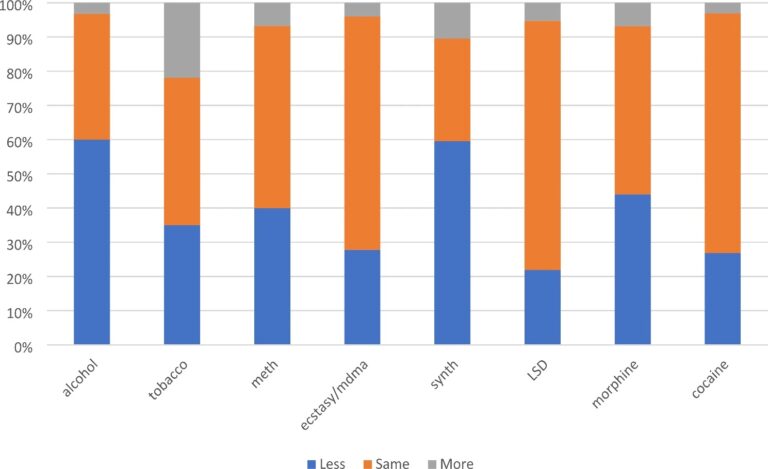
- 60% of respondents reported reduced alcohol and synthetic cannabinoid use.
- 44% indicated a decrease in morphine consumption.
- 40% experienced lower methamphetamine use.
These reductions were significant, with individuals who used less of these substances also showing lower overall usage rates.
Community Impact
Communities situated near marijuana dispensaries exhibited lower rates of opioid prescriptions. However, the impact varied across different substances and demographic groups.
Demographic Variations
The study highlighted that young adults aged 21 to 35 were more inclined to substitute cannabis for alcohol and methamphetamine compared to other age groups. In contrast, students and urban residents were less likely to report a decrease in the use of other drugs due to marijuana consumption.
Adolescents vs. Young Adults
Adolescents (16-20 years) showed mixed results, with some reporting increased and others decreased use of other substances. Meanwhile, young adults (21-25 years) predominantly reported reduced use of alcohol, methamphetamine, and MDMA.
Implications for Harm Reduction
The researchers suggest that increased access to cannabis could offer harm reduction benefits, such as lowering excessive alcohol consumption and methamphetamine use among specific populations.
Impact on Indigenous Communities
Among New Zealand’s indigenous Māori population, marijuana use was more likely to reduce the intake of alcohol, tobacco, methamphetamine, and LSD. This highlights the potential benefits of prioritizing Māori participation in the legal cannabis industry.
Market and Societal Trends
Awareness of marijuana's substitution effect is rising, with reports indicating a significant threat to the alcohol industry as more consumers opt for cannabis. Studies in Canada and the U.S. support these findings, showing declines in beer sales and shifts in consumer behavior post-legalization.
Public Perception and Usage
Surveys indicate that a growing number of adults view cannabis as less harmful than alcohol and other substances. Daily marijuana use has surpassed daily alcohol consumption among U.S. adults, reflecting changing attitudes and behaviors.
Potential in Treating Opioid Use Disorder
Research suggests that cannabis holds significant potential in treating opioid use disorder. Cannabis may support harm reduction models by providing an alternative with fewer side effects compared to opioids.




No comment yet, add your voice below!