Cannabis, PTSD, and Veterans: What New Research Suggests
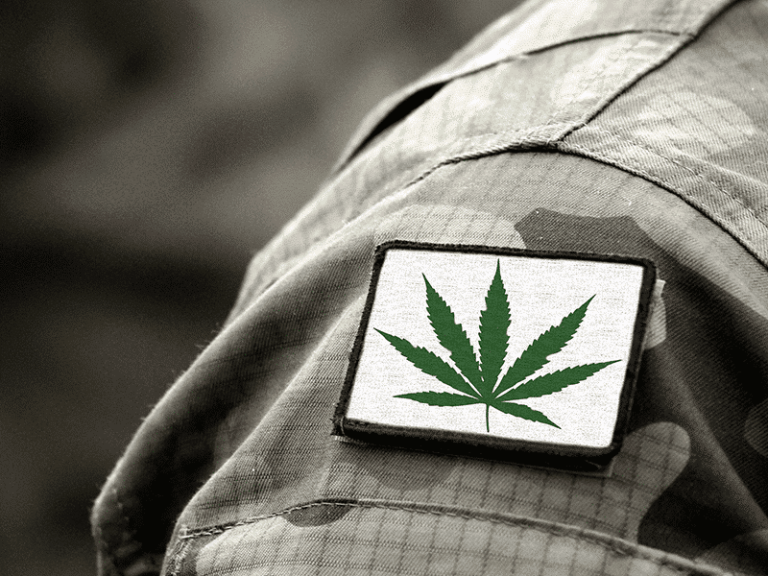

Post-traumatic stress disorder (PTSD) affects a significant share of recently discharged service members, and many are exploring cannabis as a way to manage symptoms between therapy sessions. A new federally funded study published in the journal Psychiatry Research (September 2025) followed 74 recently discharged veterans with heightened PTSD symptoms who had used cannabis in the prior month. Using a combination of wearable technology and daily questionnaires, researchers found that same-day cannabis use was associated with milder PTSD symptoms and lower negative affect (the tendency to experience intense negative emotions) on those days.

Importantly, the study looked at day-to-day changes rather than one-time snapshots, aiming to understand how fluctuations in mood and symptoms relate to use in real life. While the findings do not prove causation or replace established PTSD treatments, they add to a growing body of evidence that some veterans perceive symptom relief with careful, intentional cannabis use.

For broader context on how policy is evolving around care for veterans, see New Laws: VA Doctors Can Now Recommend Medical Marijuana to Veterans.

How Veterans Are Using Cannabis—and Where Evidence Is Growing

Clinicians and researchers are exploring several use-cases for PTSD symptom management. Earlier work has suggested that non-smokable formulations (e.g., tinctures, capsules) can be a cost-effective adjunct alongside standard care under certain assumptions about efficacy and price. Meanwhile, randomized trials are ramping up to test specific product types, doses, and protocols more rigorously in veteran populations.

  • Symptom targets: hyperarousal, sleep disturbance, intrusive thoughts, and negative affect are among the most commonly reported targets for relief.
  • Formulation balance: Some individuals respond better to balanced THC:CBD products or time-of-day strategies (e.g., CBD-forward by day; THC-forward at night). Responses vary and should be monitored.
  • Safety and fit with care: Cannabis is not a replacement for trauma-focused therapies. Any trial should be discussed with a clinician, especially for those with cardiovascular risks or a history of psychosis.
  • Legal and access landscape: Policy remains complex and state-dependent; keep up with changes that can affect access, possession, and medical guidance. For a plain-English overview, read The Legal Future of Cannabis Is More Uncertain Than Ever.

Veterans interested in non-smokable options and calming routines may also find this guide helpful: Natural Stress & Anxiety Relief with THC and CBD Gummies.

Practical Starting Points (Not Medical Advice)

If you’re considering cannabis as a complement to PTSD care, approach it like a structured self-experiment:

  1. Loop in your clinician: Discuss goals, contraindications, and how you’ll track outcomes. Bring a simple symptom diary covering sleep, mood, and triggers.
  2. Start low, go slow: Begin with low doses, especially with THC. Consider CBD-forward during the day to minimize intoxication, reserving THC-forward products (if any) for evening and sleep support.
  3. Control variables: Change one thing at a time (dose, timing, or product type) and give it several days before adjusting.
  4. Prioritize set & setting: Pair use with proven supports—breathing practices, therapy homework, peer support, or sleep hygiene—to maximize potential benefit.
  5. Review the legal basics: Revisit current policy and veteran-specific guidance; see VA recommendation updates and the broader legal outlook.

Continuing education matters. Explore routine-based strategies and product formats that emphasize calm without impairment in this gummies guide, and share your tracking notes with your care team to refine the plan. For veterans seeking educational resources and responsibly made options, you’ll find both at Workman’s Relief.

Recommended Posts

No comment yet, add your voice below!


Add a Comment

Your email address will not be published. Required fields are marked *