Goodbye, Lazy Stoner Myth: New Study Proves Cannabis Users Are More Active Than Ever!

Busting the Lazy Stoner Myth with Science

Recent studies are smashing the stereotype of the so-called "lazy stoner." Federally funded research published in Addictive Behaviors reveals that adults are more physically active on days they consume cannabis. This groundbreaking discovery sheds light on the unexpected ways cannabis can support an active and fulfilling lifestyle.

The study utilized cutting-edge real-time tracking methods to monitor behaviors like exercise and substance use among cannabis consumers. Participants reported activities ranging from running to vigorous yard work, challenging outdated notions about cannabis and motivation. According to researchers, cannabis use may enhance feelings of psychological reward, making physical activity more enjoyable.

At Workman’s Relief, we’re thrilled to see science align with what many of our customers already know—hemp-derived products can complement a healthy and active lifestyle.

Enhancing Wellness Through Cannabis

The findings from this study go beyond breaking stereotypes—they also highlight how cannabis may inspire healthier habits. By stimulating the endocannabinoid system, cannabis can elevate motivation, enhance workout recovery, and even increase the psychological benefits of exercise.

While the research notes an association between cannabis use and increased alcohol or cigarette consumption, the positive correlation with physical activity opens the door for wellness-focused approaches. At Workman’s Relief, we believe that mindful cannabis use, especially through our trusted THC and CBD products, can help customers incorporate wellness into their daily lives.

Our goal is to make wellness accessible, enjoyable, and stigma-free. With Workman’s Relief, you can discover hemp-derived products designed to support your active lifestyle, whether it’s a boost for your workouts or a way to unwind afterward.

Elevate Your Routine with Workman’s Relief

Imagine incorporating a natural boost into your daily routine—one that not only helps you stay active but also enhances your overall wellness. Workman’s Relief products are crafted with this purpose in mind. Our hemp-derived gummies, tinctures, and beverages are designed to fit seamlessly into your lifestyle, offering relaxation and recovery when you need it most.

Whether you’re preparing for an intense workout or simply enjoying a leisurely walk, Workman’s Relief is here to support your journey. Don’t just take our word for it—try it for yourself! Check out our range of products here and start elevating your routine today.

Together, let’s redefine wellness and prove that an active lifestyle and cannabis go hand in hand.

Say Hello to Convenience: Get CBD & THC Products via DoorDash

DoorDash, one of the nation’s leading food and product delivery services, has recently expanded into the hemp-derived product market. This move highlights a growing trend among major companies to enter the cannabis industry as legalization efforts continue to gain momentum across the United States. The San Francisco-based tech giant now offers same-day delivery of low-dose hemp-derived beverages, gummies, and other products containing less than 0.3% THC, in line with the legal threshold set by the 2018 Farm Bill.

In a statement, DoorDash emphasized its commitment to providing a wide range of products to meet evolving customer preferences. According to Jacob Morello, DoorDash’s Director and General Manager of Alcohol and Emerging Categories, the demand for hemp-derived THC and CBD products is on the rise, with consumers seeking new ways to relax and de-stress. “As preferences evolve, DoorDash can now help eligible customers find new products to safely enjoy while they unwind and recharge in the new year,” Morello said.

This development underscores how significant national shifts in cannabis policy have prompted companies like DoorDash to pivot and meet customer expectations by offering more diverse product categories, including hemp-derived cannabinoids.

Expanding Access to Hemp-Derived Products

DoorDash’s expansion into hemp-derived product delivery comes alongside partnerships with well-known vendors such as DashMart, Total Wine & More, and ABC Fine Wine & Spirits in select markets. These partnerships enable consumers in eligible regions to access a variety of THC and CBD-infused products quickly and conveniently.

With increased public interest in cannabis as a wellness product, platforms like DoorDash are implementing safety measures to ensure responsible access. This includes electronic ID verification and review at the time of delivery to prevent sales to underage customers. According to a Harris Poll cited by DoorDash, nearly 75% of adults aged 21-65 are considering incorporating THC or CBD products into their wellness routines as a way to de-stress in 2025.

The move by DoorDash follows similar efforts by other delivery platforms, such as Uber Eats, which partnered with Leafly to offer cannabis delivery in select Canadian provinces. As legalization continues to spread across the U.S., consumers can expect even more convenient access to cannabis products through established delivery services.

Workman’s Relief Now Available for Same-Day Delivery

We’re excited to share that Workman’s Relief products are now part of DoorDash’s hemp-derived product offerings! This means customers in select cities can now enjoy fast, same-day delivery of their favorite CBD and THC products directly to their door. Whether you’re looking for gummies to relax or tinctures to support your wellness routine, Workman’s Relief has you covered.

With DoorDash’s reliable delivery network and Workman’s Relief’s trusted products, you can easily incorporate high-quality hemp-derived cannabinoids into your daily routine. Ready to place your order? It’s simple—just follow the steps outlined here to start enjoying fast and convenient same-day delivery of Workman’s Relief products!

Stay tuned as we continue to expand our offerings and make wellness more accessible than ever before.

From Painkillers to Pot: How Marijuana Legalization Is Fighting the Opioid Crisis

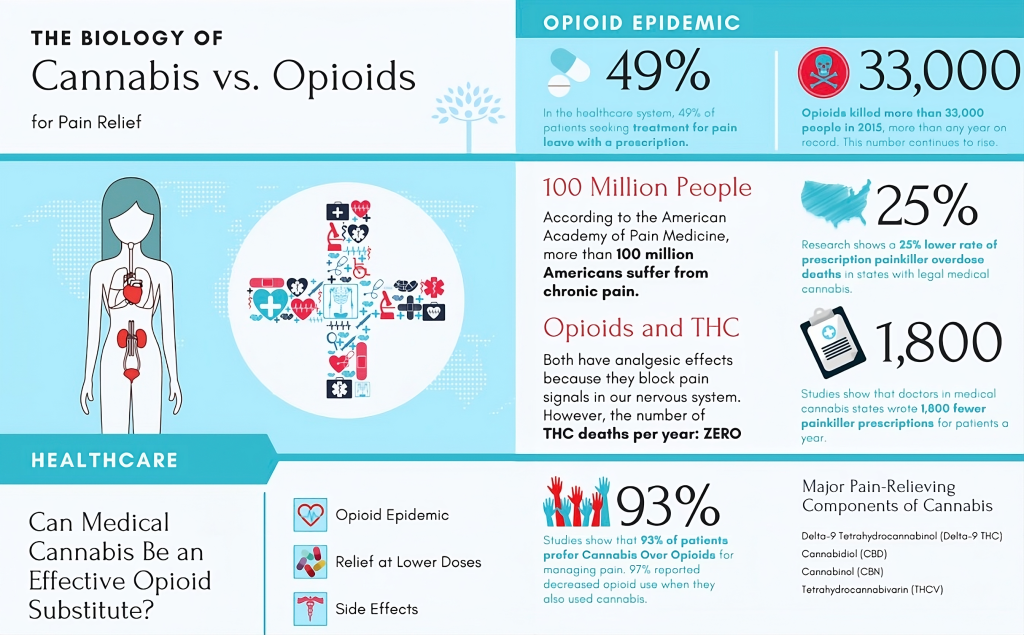
A recent study published in the Journal of the American Statistical Association has revealed that legalizing medical cannabis can trigger a significant drop in the payments opioid manufacturers make to pain management doctors. This finding is particularly noteworthy because it suggests that pharmaceutical companies are reacting to the growing use of medical marijuana as a substitute for prescription painkillers.

Conducted by researchers from the University of Florida, University of Southern California, and the State University of New York (SUNY) at Buffalo, the study points to a clear link between medical marijuana legalization (MML) and a marked decline in direct payments—like consulting fees and conference travel—offered by opioid manufacturers to physicians who prescribe opioids. The authors explain that this pattern likely emerges because doctors, and their patients, are increasingly turning to cannabis for chronic pain relief, thereby reducing the demand for prescription painkillers.

“Our findings indicate that medical marijuana is increasingly viewed as a substitute for opioids in chronic pain treatment,” said co-author Wreetabrata Kar, assistant professor of marketing at SUNY Buffalo. Kar and his colleagues emphasize that the availability of medical cannabis could help reshape pain management strategies while also easing the impact of the ongoing opioid crisis.

Shift in Financial Dynamics and Patient Impact

The study notes a more pronounced decrease in opioid payouts to doctors practicing in areas with predominantly white populations, lower incomes, and larger working-age communities. According to Kar, these demographics face higher rates of chronic pain and opioid misuse—two factors that may make these regions particularly receptive to cannabis as an alternative. Meanwhile, younger adults tend to be more open to exploring nontraditional treatments, contributing to the trend.

Beyond payments to physicians, the data shows another encouraging sign: states that have legalized medical cannabis reported fewer overall opioid prescriptions. The ratio of opioid to non-opioid prescriptions in MML states dropped more noticeably than in those without legalization, demonstrating that doctors are, in fact, opting for cannabis as a viable pain relief option.

These results build on a growing body of research linking legal cannabis access to reductions in opioid-related harms. One study published last year found a decline in fatal opioid overdoses in states that had embraced adult-use cannabis, suggesting a potentially valuable role for marijuana in preventing overdose deaths. Additionally, a separate report from Utah highlighted that wider access to medical marijuana helped reduce both opioid use among patients and statewide overdose rates.

New Directions in Pain Management

Further studies, including one by the American Medical Association (AMA), have consistently shown a positive relationship between medical cannabis use and lowered reliance on opioids and other prescription medications. In particular, chronic pain patients who used medical marijuana for over a month recorded a significant drop in prescribed opioid dosages. Another AMA report found that a third of chronic pain patients in its survey turned to cannabis, often as a direct substitute for narcotic painkillers.

Looking Ahead: Cannabis as a Key Player in Combating the Opioid Crisis

Collectively, these studies underscore a growing consensus that legal cannabis can serve as a meaningful tool in reducing opioid consumption, minimizing overdose risks, and reshaping pain management practices. By offering a potentially safer alternative for chronic pain, medical marijuana shifts the financial dynamics within the healthcare industry, pressuring opioid manufacturers to reduce promotional spending.

As more states adopt or expand medical cannabis laws, we can expect continued shifts in prescribing behaviors—and in turn, the broader healthcare landscape. While there are still legitimate concerns regarding safe usage, research into cannabinoids’ analgesic properties and their capacity to reduce opioid dependence is expanding quickly. The positive results from recent and ongoing studies make it clear: medical marijuana may hold significant promise in transforming how chronic pain is managed and, ultimately, reducing opioid-related harm nationwide.