

- Posted on
- In Blog, Hemp News, Marketing Intel
- Leave a comment
From Painkillers to Pot: How Marijuana Legalization Is Fighting the Opioid Crisis
A recent study published in the Journal of the American Statistical Association has revealed that legalizing medical cannabis can trigger a significant drop in the payments opioid manufacturers make to pain management doctors. This finding is particularly noteworthy because it suggests that pharmaceutical companies are reacting to the growing use of medical marijuana as a substitute for prescription painkillers.
Conducted by researchers from the University of Florida, University of Southern California, and the State University of New York (SUNY) at Buffalo, the study points to a clear link between medical marijuana legalization (MML) and a marked decline in direct payments—like consulting fees and conference travel—offered by opioid manufacturers to physicians who prescribe opioids. The authors explain that this pattern likely emerges because doctors, and their patients, are increasingly turning to cannabis for chronic pain relief, thereby reducing the demand for prescription painkillers.
“Our findings indicate that medical marijuana is increasingly viewed as a substitute for opioids in chronic pain treatment,” said co-author Wreetabrata Kar, assistant professor of marketing at SUNY Buffalo. Kar and his colleagues emphasize that the availability of medical cannabis could help reshape pain management strategies while also easing the impact of the ongoing opioid crisis.
Shift in Financial Dynamics and Patient Impact
The study notes a more pronounced decrease in opioid payouts to doctors practicing in areas with predominantly white populations, lower incomes, and larger working-age communities. According to Kar, these demographics face higher rates of chronic pain and opioid misuse—two factors that may make these regions particularly receptive to cannabis as an alternative. Meanwhile, younger adults tend to be more open to exploring nontraditional treatments, contributing to the trend.
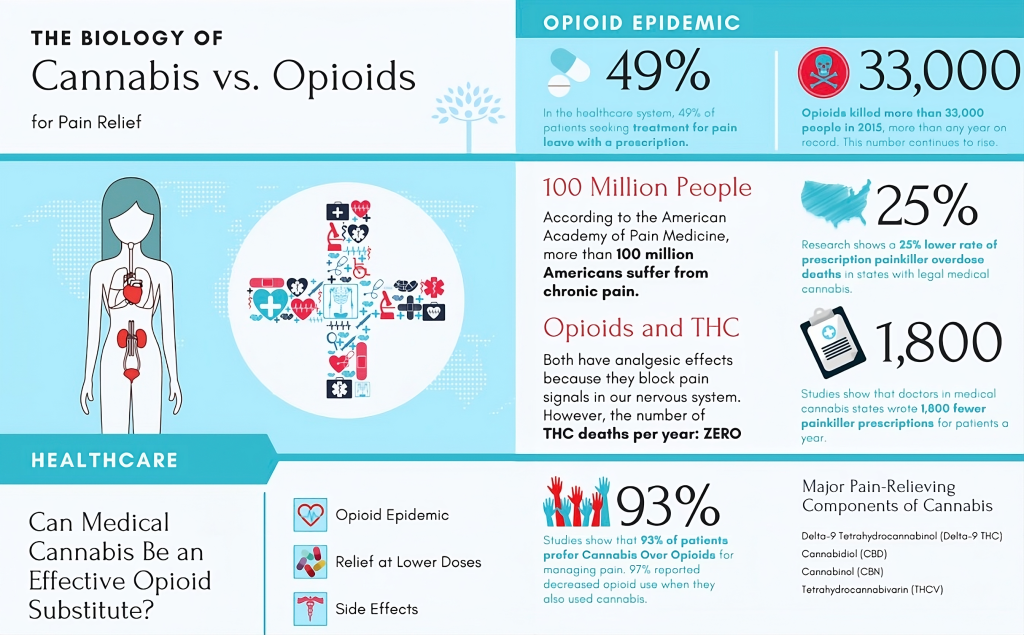
Beyond payments to physicians, the data shows another encouraging sign: states that have legalized medical cannabis reported fewer overall opioid prescriptions. The ratio of opioid to non-opioid prescriptions in MML states dropped more noticeably than in those without legalization, demonstrating that doctors are, in fact, opting for cannabis as a viable pain relief option.
These results build on a growing body of research linking legal cannabis access to reductions in opioid-related harms. One study published last year found a decline in fatal opioid overdoses in states that had embraced adult-use cannabis, suggesting a potentially valuable role for marijuana in preventing overdose deaths. Additionally, a separate report from Utah highlighted that wider access to medical marijuana helped reduce both opioid use among patients and statewide overdose rates.
New Directions in Pain Management
Further studies, including one by the American Medical Association (AMA), have consistently shown a positive relationship between medical cannabis use and lowered reliance on opioids and other prescription medications. In particular, chronic pain patients who used medical marijuana for over a month recorded a significant drop in prescribed opioid dosages. Another AMA report found that a third of chronic pain patients in its survey turned to cannabis, often as a direct substitute for narcotic painkillers.
Looking Ahead: Cannabis as a Key Player in Combating the Opioid Crisis
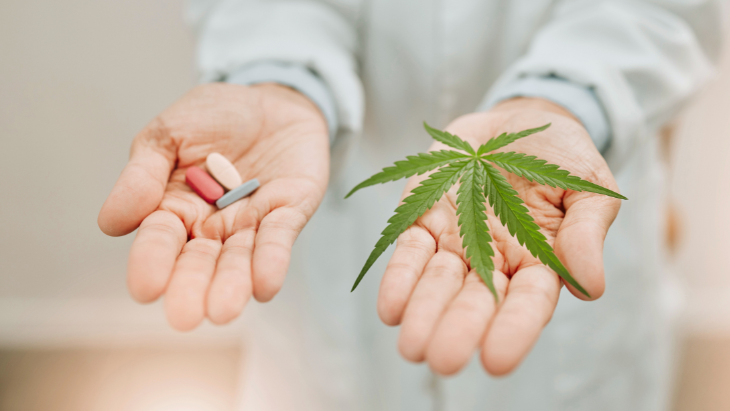
Collectively, these studies underscore a growing consensus that legal cannabis can serve as a meaningful tool in reducing opioid consumption, minimizing overdose risks, and reshaping pain management practices. By offering a potentially safer alternative for chronic pain, medical marijuana shifts the financial dynamics within the healthcare industry, pressuring opioid manufacturers to reduce promotional spending.
As more states adopt or expand medical cannabis laws, we can expect continued shifts in prescribing behaviors—and in turn, the broader healthcare landscape. While there are still legitimate concerns regarding safe usage, research into cannabinoids’ analgesic properties and their capacity to reduce opioid dependence is expanding quickly. The positive results from recent and ongoing studies make it clear: medical marijuana may hold significant promise in transforming how chronic pain is managed and, ultimately, reducing opioid-related harm nationwide.




No comment yet, add your voice below!