CBD & Skin: What the Latest Science Actually Says

A new peer-reviewed overview in Biomolecules summarizes how cannabidiol (CBD) may support skin health via anti-inflammatory, antioxidant, antibacterial, analgesic, and anti-proliferative actions. Early evidence points to potential roles in acne, psoriasis (including scalp psoriasis), atopic and seborrheic dermatitis, barrier support, hydration, and post-procedure comfort. Formulation science (e.g., liposomal/nano delivery) is a key focus to improve stability and penetration. Read the review here: Cannabidiol in Skin Health: A Comprehensive Review of Topical Applications.

Shopping note: hemp rules vary by state. If you’re in Texas (or comparing states), this one-page explainer is useful: 2025 Texas THC & CBD Laws, Is it Legal in TX Today?

What Looks Promising vs. What Still Needs Proof

Here’s a practical snapshot while larger human trials catch up:

Skin Goal Early Signals Open Questions
Acne / Redness Sebum modulation + anti-inflammatory effects may calm breakouts. Best strengths, vehicles, and comparisons vs. standard care.
Psoriasis / Dermatitis Anti-proliferative, immunomodulating actions may reduce scaling/itch. Larger RCTs; scalp-specific delivery; long-term safety.
Barrier / Hydration / Aging Antioxidant support + moisturization may aid smoothness and resilience. Validated endpoints for texture, TEWL, tone over months.
Post-Procedure / Sensitivity Analgesic and soothing signals suggest supportive use cases. Standardized protocols; compatibility with retinoids/acids.

If you follow broader wellness science, this neutral research brief is a good complementary read: CBD May Reduce Alcohol Withdrawal & Relapse Risk, UCSD Study Finds (2025)

Smart Start: How to Try CBD in a Skin Routine

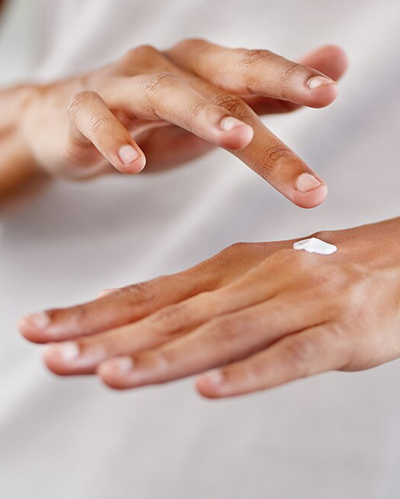
  • Patch test first: Inner arm, 24 hours. Introduce one CBD topical at a time.
  • Alternate actives: If using retinoids or acids, start on opposite nights to avoid over-exfoliation.
  • Read labels & COAs: Look for clear CBD mg per container and current third-party lab results.
  • Be consistent: Evaluate after 2–4 weeks unless irritation occurs; document with quick photos.
  • Consult your clinician: Especially for chronic conditions, pregnancy/nursing, or prescriptions.

Curious how federal policy may (or may not) affect the landscape? Here’s a clear primer: Cannabis Rescheduling: What It Is—and What It Isn’t

If you’d like to begin your wellness journey with hemp-derived options, we carry CBD topicals and tinctures here: https://workmansrelief.com/all-products/.