Types of Food the THC Munchies Make You Crave Most (And How to Stay Balanced)

Why the “Munchies” Matter More Than the Joke

The munchies get played for laughs, but the science behind them is more serious than the stereotype. A new human-and-animal study out of researchers connected to Washington State University and the University of Calgary found that cannabis can meaningfully increase food intake, food motivation, and the reward value of eating. In plain English: it can make food sound better, taste better, and feel more worth the effort. That matters for people dealing with appetite loss, treatment fatigue, or recovery periods when eating enough is the hard part.

For everyday consumers, it is also a reminder that cannabis can shift routine behavior in predictable ways. If you know your evening gummy or THC seltzer tends to turn a snack into a full second dinner, you can plan around it instead of pretending it won’t happen. The goal is not fear or guilt—it’s awareness. Better outcomes usually come from better timing, better portions, and better choices.

If you’ve been following our recent Wellness Wednesday posts, this is part of the same bigger conversation: practical cannabis use, fewer surprises, and smarter habits. You can also check out THC & Relationships: Science-Backed Tips for Better Connection and First Month Free THC & CBD Subscription | Workman’s Relief & Crafty for more low-drama, real-world cannabis guidance.

What People Actually Crave When They’re High

One of the most interesting takeaways from the new research is that there wasn’t just one “munchies food.” It wasn’t only candy, chips, or desserts. Participants reached for a wide range of foods—carbs, proteins, salty snacks, and even more practical picks. In reporting around the study, researchers noted some surprising favorites, including items like beef jerky and water showing up high on the list.

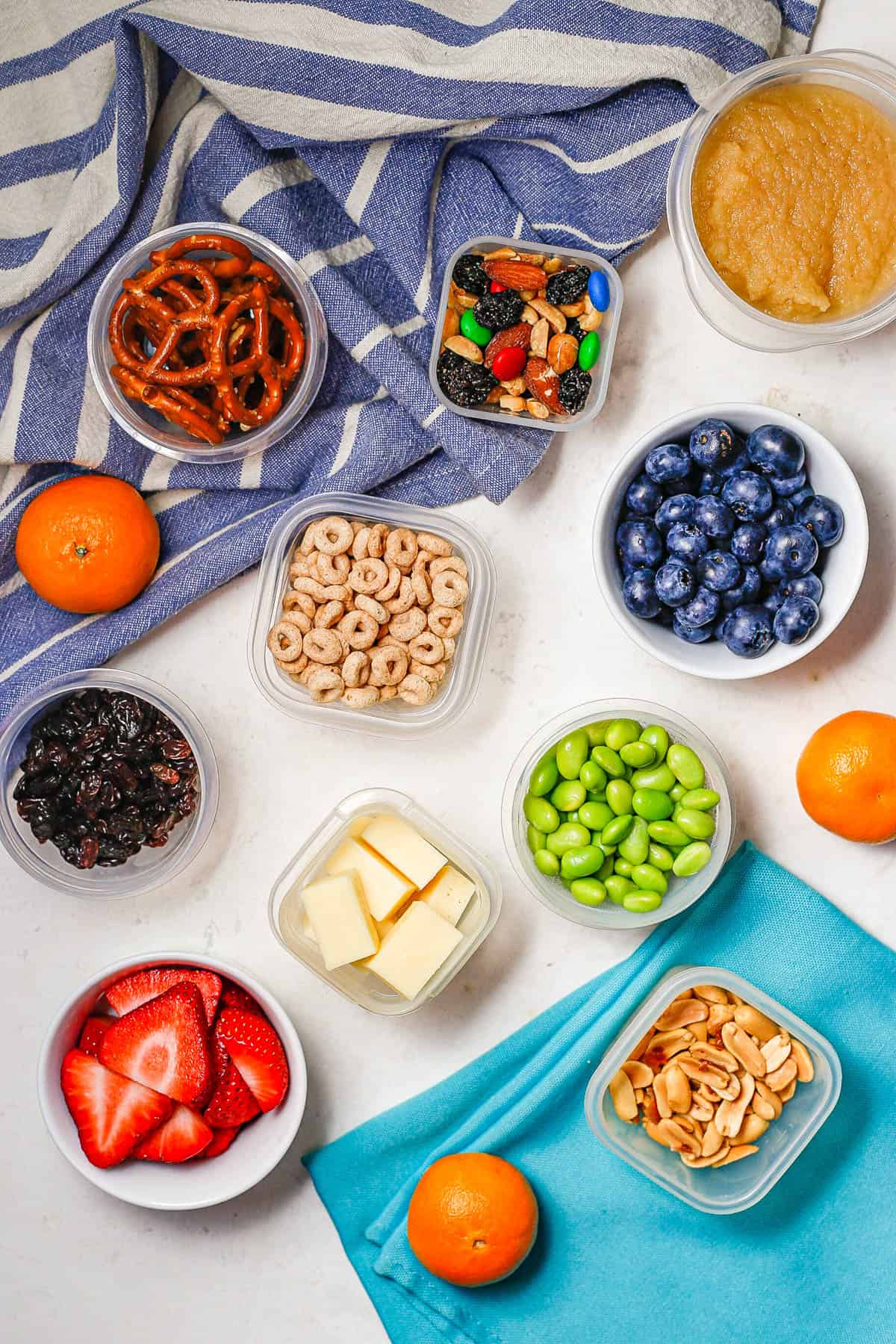
That’s useful because it breaks the old myth that cannabis automatically pushes people toward junk food and nothing else. The munchies are less about one specific craving and more about a stronger drive to eat, period. When appetite gets amplified, what you keep nearby starts to matter a lot. If your house is stocked with balanced options, you’re more likely to eat balanced options. If it’s all sugar and sodium, that’s where the night goes.

This is where a little planning beats willpower. If you enjoy THC gummies, THC coffee, or a low-dose THC seltzer in the evening, set yourself up before the effects kick in. Hydrate first. Put together a reasonable snack plate. Keep the “grab-and-go” choices clean. The munchies may be real, but they don’t have to run the whole show.

The Brain Science Behind the Munchies

Researchers say the munchies appear to be primarily brain-mediated, not just a stomach issue. THC interacts with the endocannabinoid system and influences brain regions tied to reward, motivation, and hunger signaling. In coverage of the study, researchers described how cannabis can push the brain to treat food like a higher priority—even when someone is already full.

That helps explain a familiar experience: you eat, feel satisfied, and then somehow still want another round 30 minutes later. It’s not always “lack of discipline.” It’s a real shift in how the brain values food in that moment. And once you understand that, it becomes much easier to build habits that work with your body instead of against it.

It also explains why dosing matters. A lighter session may simply make dinner more enjoyable. A heavier one can push appetite, snacking, and impulse eating much harder. If your goal is comfort and relaxation—not a late-night kitchen raid—staying in your comfortable range makes a difference. For many people, that means being intentional about timing and sticking to familiar serving sizes instead of stacking products.

How To Handle the Munchies Without Overdoing It

Let’s keep this practical. The best munchies strategy starts before you consume anything. Decide what your meal is. Decide what your snack is. Put water in reach. Then enjoy your evening. That one move cuts down on the classic “I ate whatever was closest” problem.

A few easy rules help:

  • Eat a real meal first if you’re consuming later at night.
  • Keep protein and fiber nearby so cravings don’t turn into a sugar sprint.
  • Drink water early—many people confuse thirst with hunger.
  • Portion snacks before the effects peak.
  • Avoid mixing in alcohol if your goal is to feel good and stay clear.

If reducing alcohol is part of your routine this year, this topic overlaps with the growing “substitution” conversation around THC drinks. You can read more in Could swapping a cold one for a cannabis beverage help people drink less? and the study The Exploration of Cannabis Beverage Substitution for Alcohol: A Novel Harm Reduction Strategy. Different topic, same principle: a little planning goes a long way.

A Better Way To Think About Cannabis and Appetite

The biggest takeaway from this new munchies research is not “cannabis makes people snack.” We already knew that. The real takeaway is that appetite effects are consistent enough to be useful in some settings and manageable in everyday life when you respect them.

For some people, appetite support is a genuine quality-of-life issue. For others, it’s just part of the rhythm of how they unwind. Either way, the smarter move is the same: know your dose, know your timing, and know what’s in your fridge before the mood shifts.

Cannabis works best when it fits into your life on purpose. That applies whether you prefer a gummy at the end of the day, a THC seltzer instead of a drink, or a THC coffee on a slow weekend. If you want more educational reads in this lane, take a look at THC & Intimacy: Low-Dose Gummies, Seltzers & Coffee for Connection, Dating & Cannabis: 2026 Poll Says It’s a Green Flag for Most, and The Impact of Cannabinoids on Social Cognition: Results of a Study in Natural Context.

THC & Intimacy: Low-Dose Gummies, Seltzers & Coffee for Connection

THC & Intimacy, No Nonsense: A Clear-Headed Guide

Let’s skip the winks and candle clichés. Intimacy works best when nerves quiet down and presence turns up. That’s where low, thoughtful amounts of THC can shine. Emerging research links cannabis use with higher romantic satisfaction when partners are on the same page about use and dose. A recent peer-reviewed paper examined how intensity and partner concordance relate to relationship quality – use together (or align expectations) and satisfaction trends up; mismatch, and it trends down. See the study here: The association between cannabis use and romantic relationship satisfaction.

This is an PG-13 educational overview, not medical advice. Know your laws, your limits, and your partner’s boundaries.

Why THC May Help (and When It Doesn’t)

On good nights, intimacy is a quiet after service – focused, unhurried, everything in its place. Low-dose THC can help some people get there by:

  • Reducing performance anxiety: Calmer mind, less self-talk, more connection.
  • Sharpening body awareness: Touch and tempo stand out; you notice the small notes.
  • Stretching time perception: Minutes feel roomier; there’s less pressure to “beat the clock.”

Too much THC flips the script – racing thoughts, dry mouth, or drowsy detours. The play is low and slow, especially with edibles. If you prefer no smoke (and no “you smell like smoke”), stick with THC gummies, THC seltzers, or THC coffee – they’re discreet, consistent, and date-friendly.

Practical Playbook: Dosing, Timing, and Formats

Suggested low-dose ranges (for many adults)

  • THC gummies: 2.5-5 mg to start. Effects in ~60-90 minutes; peak ~2-3 hours; duration 4-6 hours.
  • THC seltzers: Often quicker – ~20-45 minutes to feel, depending on stomach and formulation; duration 2-4 hours.
  • THC coffee: Adds caffeine’s alert focus to THC’s calm – best for earlier evenings or lazy weekends, not right before sleep.

Timing tip: Plan backward from when you want to be fully “on.” Gummies about 60-90 minutes before; seltzers 20-45; THC coffee earlier so the caffeine winds down by lights-out. Avoid stacking alcohol -booze muddies arousal and makes THC less predictable.

Communication, Concordance, Consent

Great service starts with mise en place; great intimacy starts with a quick pre-game talk. Agree on dose, format, and a safety plan (water, snacks, lube, a movie queued up if plans change). The relationship research above highlights a simple truth: when partners align on cannabis – how much, how often, and why – overall satisfaction improves. If one partner abstains, alignment is still possible: set expectations, keep doses low, and check in. No bravado, no pressure.

More reading from our archive: First Month Free THC & CBD Subscription | Workman’s Relief & Crafty · Alcohol & Marijuana Lobbies Pushed The Hemp-THC Ban · Dating & Cannabis: 2026 Poll Says It’s a Green Flag for Most · ATF Narrows ‘Unlawful User’ Rule.

Safety Notes & The Wrap-Up

  • Start at 2.5-5 mg THC, especially with gummies. Add only after you know your response.
  • Hydrate. THC can dry you out; water keeps the night smooth.
  • If anxiety pops up, pause. Breathwork, a walk, or downshifting the plan beats pushing through.
  • Don’t drive. Ever. Make the night a stay-in special or arrange a ride.

Intimacy doesn’t need theatrics – just presence, patience, and respect. With THC gummies, THC seltzers, or THC coffee used thoughtfully, many couples find an easier on-ramp to connection: quieter minds, brighter senses, better timing. Keep it simple, keep it consensual, and keep it yours.

Columbus Day & Hemp: How Fiber Powered Voyages—and Today

Sails, Seeds, and a Hungry Ocean

Picture Barcelona at dusk: the Columbus column throwing a long shadow over Las Ramblas, traffic hissing like a skillet, gulls heckling the tourists. Look closer at the base—carved cannabis leaves curling in iron and stone. It’s not an accident. Hemp was the unsung crewman on every wooden ship that dared the Atlantic. The sails that caught a fickle wind? Hemp. The lines that screamed through salt-stiff hands? Hemp. Caulking that kept the sea’s teeth out of the hull? Hemp, pounded in with a mallet and a prayer.

Open a hatch in your head and you can smell it: lamp oil with that nutty edge, wicks burning slow while a navigator reads night scripture on paper that might’ve been milled from the same plant. In the hold, sacks of seed—food for the crew, a starter kit for whatever soil waited over the horizon. Columbus Day is complicated. But the logistics are simple: without hemp’s stubborn fiber and fat-rich oil, those ships don’t get far enough to be remembered.

Five centuries later, we keep rediscovering this plant in new uniforms—textile, building material, and yes, something to sip while the sun clocks out. If you’re THC-curious and want a clear, human-sized starting point, here’s a friendly primer: THC Drinks Are Rising: A Simple Guide to Low-Dose Cannabis Beverages (2025).

Borderlands and Barstools

History doesn’t happen in textbooks; it happens in border towns and neighborhood bars. Our neighbors up in Minnesota just opened the door to adult-use cannabis, and you can feel the cultural weather change along the highways and river towns. More conversations. Fewer whispers. Different menus. Big ideas poured into small glasses. Not a gold rush—more like a potluck where everyone finally brings what they actually like to consume.

What does that mean on a Tuesday night? Maybe it’s a 2–5 mg sipper instead of a second beer. Maybe it’s a ride-share home and a good night’s sleep instead of another lap around the jukebox. Policy is still a moving target, but the everyday ritual is getting simpler and kinder to the body. If you want the quick lay of the land up north, this digest keeps it clean and useful: Minnesota’s Adult-Use Cannabis Market Is Live.

Columbus had hemp stitched into every inch of his vessels because it worked. That’s still the test: does it work for real people, in real places, on real nights? Start low, notice how you feel, and build your own map.

Modern Skin in the Game

Hemp’s résumé keeps getting weirder and better: fiber and fuel in one century, beverage and balm in another. The eye-rolling hype isn’t helpful, but honest experiments are. Some folks are swapping the nightcap for a low-dose can. Others are putting cannabinoids where the day actually hurts—knees, elbows, sun-tired faces. The smartest move is the quiet one: read the label, check the COA, patch-test, give it two weeks, take notes like you’re your own chef de cuisine.

If skin health is on your list, this research-forward walkthrough separates signal from noise: CBD & Skin: What the Latest Science Actually Says. Hemp won’t fix history, but it can make the present a little more livable—one thoughtfully dosed drink, one well-made topical, one calmer night at a time.

Raise a glass to the stubborn fiber that got those creaking ships across an ocean—and to the modern versions that help us move through our own seas with a steadier hand.

CBD & Skin: What the Latest Science Actually Says

A new peer-reviewed overview in Biomolecules summarizes how cannabidiol (CBD) may support skin health via anti-inflammatory, antioxidant, antibacterial, analgesic, and anti-proliferative actions. Early evidence points to potential roles in acne, psoriasis (including scalp psoriasis), atopic and seborrheic dermatitis, barrier support, hydration, and post-procedure comfort. Formulation science (e.g., liposomal/nano delivery) is a key focus to improve stability and penetration. Read the review here: Cannabidiol in Skin Health: A Comprehensive Review of Topical Applications.

Shopping note: hemp rules vary by state. If you’re in Texas (or comparing states), this one-page explainer is useful: 2025 Texas THC & CBD Laws, Is it Legal in TX Today?

What Looks Promising vs. What Still Needs Proof

Here’s a practical snapshot while larger human trials catch up:

Skin Goal Early Signals Open Questions
Acne / Redness Sebum modulation + anti-inflammatory effects may calm breakouts. Best strengths, vehicles, and comparisons vs. standard care.
Psoriasis / Dermatitis Anti-proliferative, immunomodulating actions may reduce scaling/itch. Larger RCTs; scalp-specific delivery; long-term safety.
Barrier / Hydration / Aging Antioxidant support + moisturization may aid smoothness and resilience. Validated endpoints for texture, TEWL, tone over months.
Post-Procedure / Sensitivity Analgesic and soothing signals suggest supportive use cases. Standardized protocols; compatibility with retinoids/acids.

If you follow broader wellness science, this neutral research brief is a good complementary read: CBD May Reduce Alcohol Withdrawal & Relapse Risk, UCSD Study Finds (2025)

Smart Start: How to Try CBD in a Skin Routine

  • Patch test first: Inner arm, 24 hours. Introduce one CBD topical at a time.
  • Alternate actives: If using retinoids or acids, start on opposite nights to avoid over-exfoliation.
  • Read labels & COAs: Look for clear CBD mg per container and current third-party lab results.
  • Be consistent: Evaluate after 2–4 weeks unless irritation occurs; document with quick photos.
  • Consult your clinician: Especially for chronic conditions, pregnancy/nursing, or prescriptions.

Curious how federal policy may (or may not) affect the landscape? Here’s a clear primer: Cannabis Rescheduling: What It Is—and What It Isn’t

If you’d like to begin your wellness journey with hemp-derived options, we carry CBD topicals and tinctures here: https://workmansrelief.com/all-products/.

Natural Stress & Anxiety Relief with THC and CBD Gummies

Understanding the Root of Anxiety and Stress

Feeling overwhelmed, unfocused, or physically tense? You're not alone. Anxiety and stress are natural responses to modern life—whether it's from work deadlines, social pressure, or sleepless nights. These feelings can take a toll on both your mental clarity and physical well-being.

Your body has a built-in system designed to maintain emotional balance: the endocannabinoid system (ECS). It plays a key role in regulating mood, stress response, sleep, and more. When you're out of balance, the ECS works to bring things back to center.

Cannabis-derived compounds like CBD and THC interact with this system. CBD helps calm the nervous system without any intoxication, while low doses of THC can ease tension and help you feel more present. When used intentionally, these compounds can promote a greater sense of calm and mental relief.

Gummies, Drinks, and Methods That Actually Work

The way you consume cannabis has a major impact on how it helps you manage anxiety and stress. At Workman’s Relief, we offer products like THC gummies and CBD + THC beverages designed for calm, clarity, and relief—without the need to inhale anything.

  • Gummies: A popular choice for both beginners and experienced users. They provide a steady, long-lasting effect—ideal for managing stress throughout the day or winding down at night. Our gummies come in consistent dosages so you can start small and adjust as needed.
  • THC & CBD Drinks: Fast-absorbing and great for social settings or late afternoons when you need to reset. Our Orange Cream and Strawberry Margarita THC drinks are zero-calorie, sugar-free, and designed to refresh your mood without the crash.
  • Microdosing: Taking a low dose (e.g. 2.5–5mg) of THC or CBD allows you to experience gentle effects—perfect for daytime focus or ongoing anxiety support without feeling too “high.”

If you’re new to cannabis, we always recommend starting with a low dose, waiting 45–90 minutes, and increasing slowly based on your comfort level.

Wellness Tips, Side Effects, and What the Science Says

Using cannabis as part of your mental wellness routine can be effective, but it works best when paired with other supportive habits. Consider layering in:

  • Mindfulness or meditation to regulate breathing and quiet the mind
  • Daily movement, like walking or stretching, to release built-up tension
  • Improved sleep habits and screen-time reduction before bed
  • Supplements like ashwagandha or magnesium to support nervous system balance

Potential side effects of cannabis use for anxiety include dry mouth, fatigue, and—in higher doses of THC—racing thoughts or increased heart rate. Always pay attention to how your body responds and avoid overconsumption, especially if you’re sensitive to THC.

Scientific research continues to explore how cannabinoids support mental health. Studies show promising results, especially for CBD and low-dose THC users:

As always, consult a healthcare provider if you’re using cannabis with other medications or managing a chronic condition. Cannabis can be a powerful tool—but only when used responsibly and in a way that supports your overall routine.