



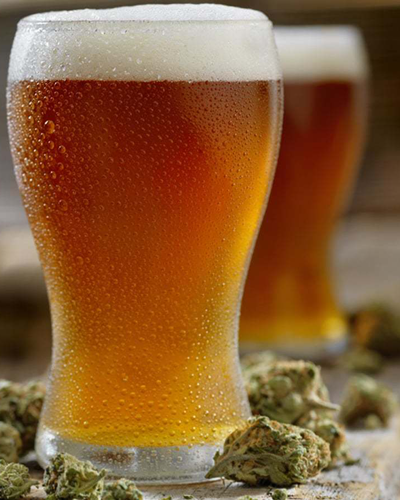
CBD May Reduce Alcohol Withdrawal & Relapse Risk, UCSD Study Finds (2025)



THC and CBD for Chronic Pain Relief

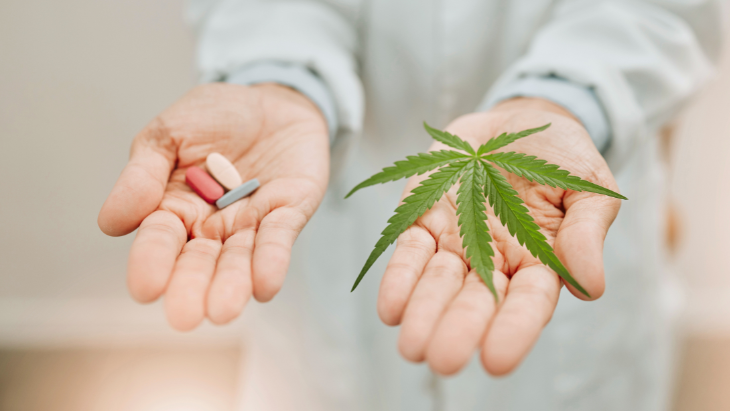
Chronic pain is a challenging condition that affects millions, often leading to dependency on opioid painkillers. While CBD and THC cannot replace traditional medications, they show promise as complementary options for managing pain. Many users report significant relief, and researchers are exploring how these cannabinoids could reduce reliance on opioids.
Why CBD and THC for Pain?
CBD: Known for its anti-inflammatory and pain-relieving properties, CBD does not produce a “high.” Studies show that CBD interacts with multiple receptors associated with pain reduction, providing relief without psychoactive effects.
THC: THC binds to cannabinoid receptors in the central nervous system to provide pain relief and reduce inflammation, similar to common painkillers like ibuprofen. This can be particularly helpful for those experiencing intense or persistent pain.
Reducing Opioid Dependency with Cannabinoids
Research shows that in states where marijuana is legalized, opioid-related emergency room visits dropped by nearly 8%. Some studies even suggest that CBD and THC might help lessen the amount of opioids needed for pain relief, potentially decreasing the risk of addiction.
Benefits of Using CBD and THC for Chronic Pain
- Natural Pain Relief: CBD and THC provide a natural alternative to opioids, offering pain relief without the severe risks associated with opioid addiction.
- Anti-Inflammatory Effects: Both cannabinoids help reduce inflammation, a key factor in managing chronic pain.
- Complementary to Opioids: Some studies show that cannabinoids might work alongside opioids, potentially allowing for lower opioid dosages.
- Controlled Dosing: CBD and THC products come in various forms, allowing users to adjust dosage based on their needs.
Using CBD and THC Safely for Pain Management
- Start with a Low Dose: Begin with a small dose of CBD or THC and gradually increase as needed to find the right balance.
- Track Your Relief: Monitor your pain levels and how you feel at different doses to understand what works best for you.
- Consult with a Professional: Always speak to a healthcare provider, especially if you’re currently on medication or have underlying health conditions.
- Opt for Quality Products: Choose lab-tested products from reputable sources like Workman’s Relief to ensure safety and effectiveness.
Finding the Right Workman’s Relief Product for Chronic Pain
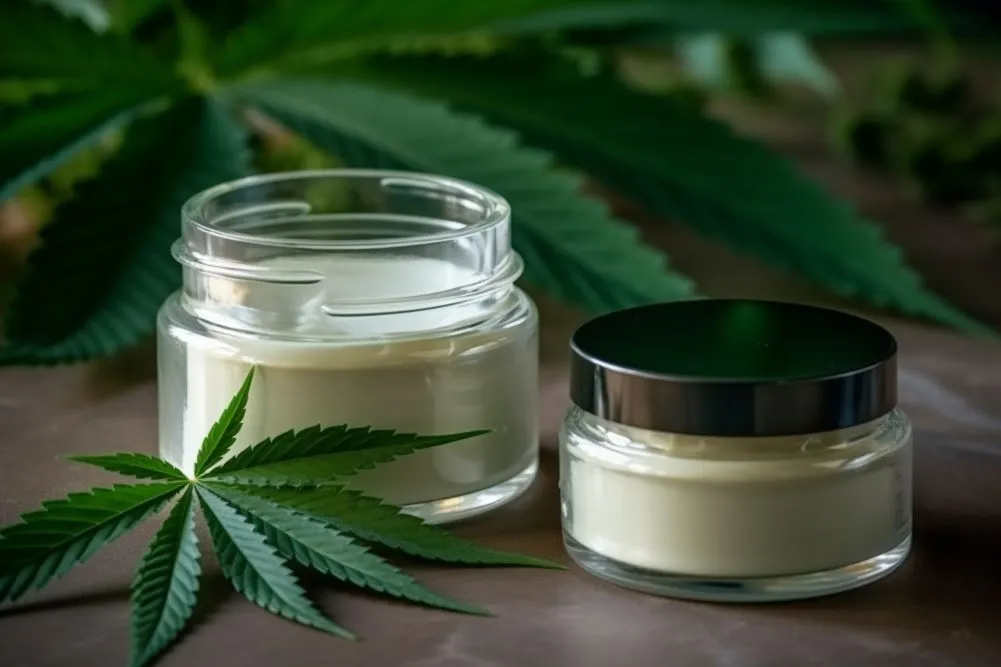
Workman’s Relief offers a range of CBD and THC products that can help manage chronic pain. For those seeking non-psychoactive relief, CBD products provide an option for daily use. For those who tolerate THC well and seek more potent effects, our THC-inclusive products can enhance pain relief.
To explore our full selection and find the best product for your needs, browse our CBD and THC products today.
Exploring the Future of Cannabinoids in Pain Management
Cannabis research is expanding, and with more studies, we are likely to see new insights into how CBD and THC can support chronic pain management. As marijuana legalization continues, its potential as a medical solution for pain relief will continue to grow, bringing new hope to those affected by chronic pain.
CBD & THC Tinctures for Anxiety Relief

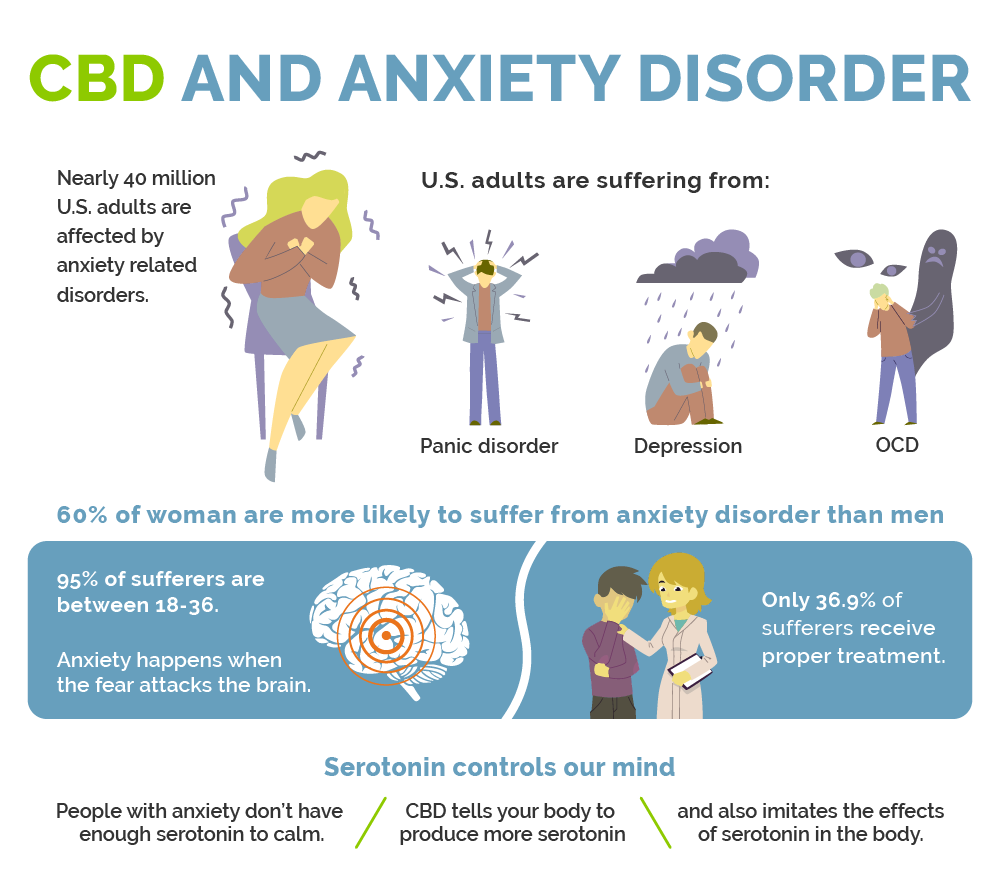
Anxiety and tension are common mental health challenges, and at Workman’s Relief, we’re committed to helping people find natural ways to alleviate these symptoms. Our CBD and THC tinctures offer a powerful, plant-based alternative for those seeking to manage stress, anxiety, and tension safely and effectively.
What Are CBD and THC?
CBD: Known for its calming effects, CBD is non-psychoactive, meaning it won’t produce a “high.” Research indicates that CBD can reduce anxiety at all doses, making it an excellent choice for anxiety relief without altering mental clarity.
THC: THC is the psychoactive compound that produces a “high.” At lower doses, THC can reduce anxiety and promote relaxation. However, higher doses may lead to increased anxiety, paranoia, or panic, especially in those sensitive to its effects.
How the Endocannabinoid System (ECS) Supports Anxiety Relief
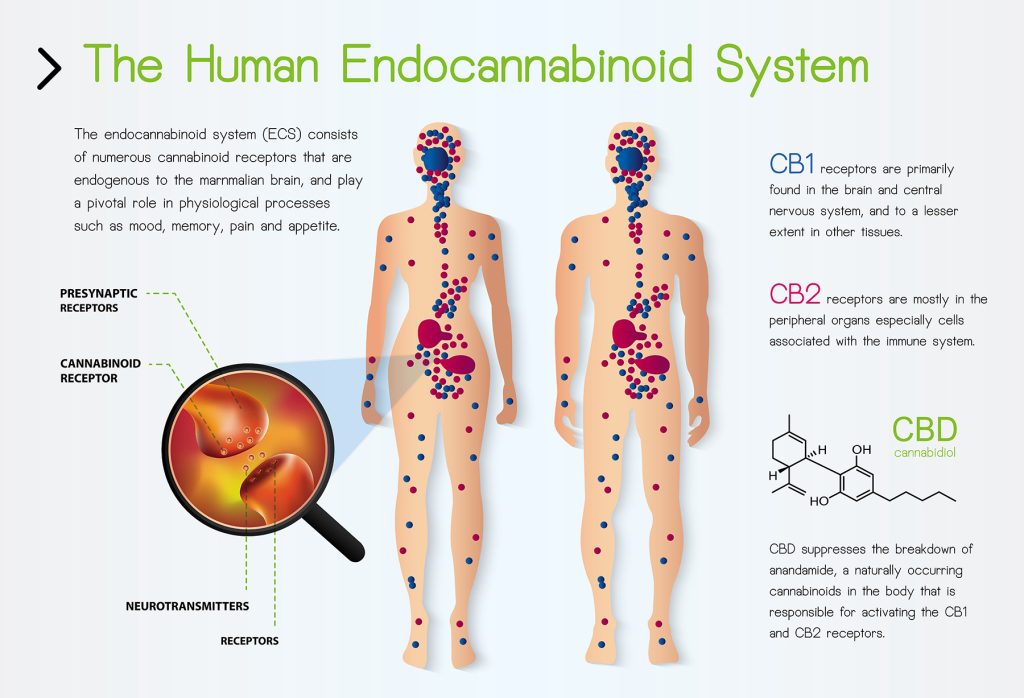
The endocannabinoid system (ECS) plays a crucial role in regulating stress, anxiety, and fear responses. The ECS consists of receptors in the brain and body that interact with cannabinoids like CBD and THC to help maintain emotional balance. By activating the ECS, CBD and THC can help create a sense of calm, balance mood, and relieve tension.
Benefits of CBD and THC Tinctures for Anxiety Relief
- Natural Relief: CBD and THC tinctures provide a natural alternative to pharmaceuticals, which may come with undesirable side effects.
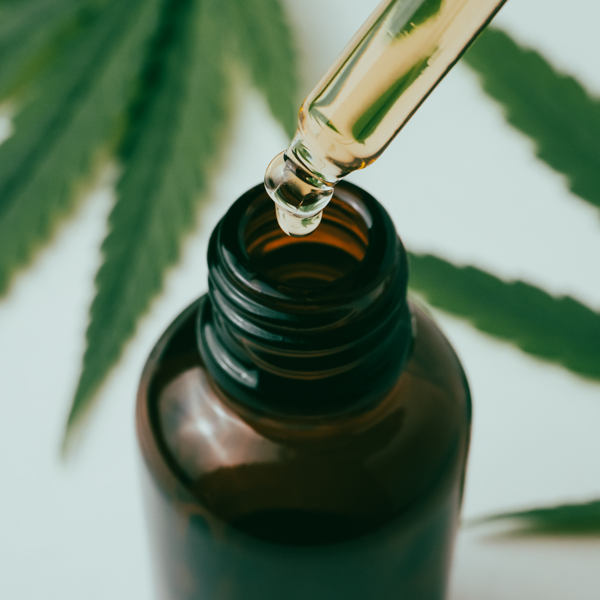
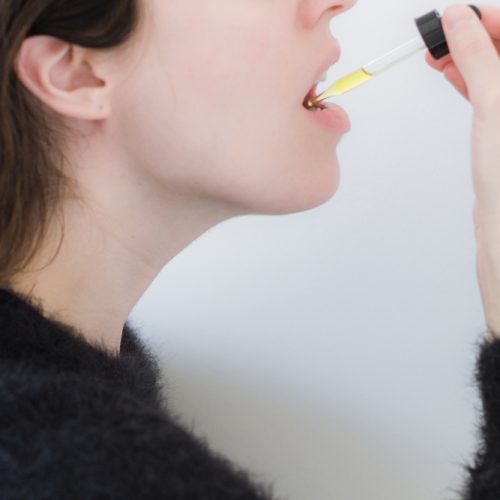
- Quick Absorption: Taken sublingually, tinctures absorb rapidly into the bloodstream, offering fast relief from anxiety and tension.
- Controlled Dosing: Tinctures allow for precise dosing, so you can easily adjust based on your needs and tolerance.
- Versatile Usage: Tinctures can be taken discreetly and used at any time, making them ideal for both situational anxiety and daily stress management.
How to Use CBD and THC Tinctures Safely
- Start Slow: Begin with a low dose, especially if you are new to THC, and gradually increase as needed.
- Monitor Your Response: Track how you feel with different doses to find your ideal level of relief.
- Consult a Healthcare Professional: Speak with your doctor if you have existing conditions or are on medications that may interact with cannabis products.
- Choose Quality Products: Only purchase lab-tested CBD and THC tinctures from reputable sources, like Workman’s Relief, to ensure purity and potency.
Finding the Right Workman’s Relief Tincture for You
For those seeking a balanced approach to anxiety relief, our CBD-rich tinctures are often a safer option, as they provide calming effects without psychoactivity. However, if you are comfortable with THC and looking for enhanced relief, a low-dose THC tincture might be suitable.
To explore the full range of Workman’s Relief tinctures and find the best fit for your needs, browse our CBD and THC tinctures today.
Is CBD or THC Right for Your Anxiety?
CBD is generally a safer option for most people, particularly those with generalized anxiety disorder or situational anxiety. THC can provide relief but may also increase anxiety at higher doses, making it suitable only for those who tolerate it well and prefer a mild psychoactive experience.
CBD has shown effectiveness across all doses tested in research and does not produce intoxication, making it ideal for daytime use and ongoing anxiety management.
