CBD & Elite Athletes: Better Sleep, Relaxation & Recovery (2025 Study)

Sleep, Nerves, and the Finish Line: What Elite Athletes Say About CBD
If you train for a living, recovery isn’t a luxury—it’s the job. A new study of Olympic and Paralympic–track athletes puts numbers to something many pros already report: smart, targeted CBD use can make sleep deeper, pain more manageable, and pre-event jitters quieter. The point isn’t hype—it’s data.
Below is a clear read of the evidence, the caveats for anyone subject to anti-doping rules, and a simple playbook for staying on the right side of both science and compliance.
What the Study Found (and Why It Matters)
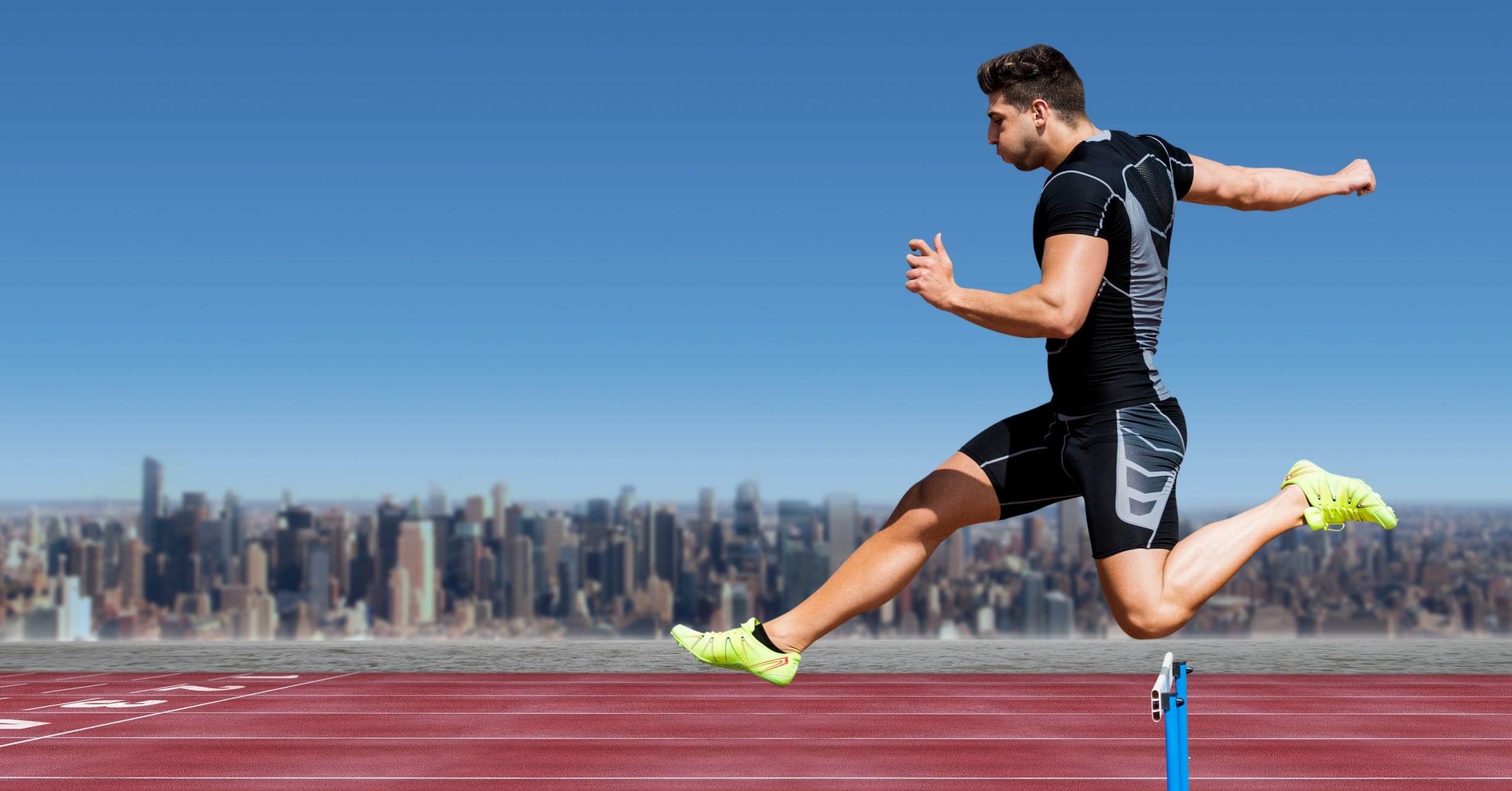
Researchers surveyed 80 elite Canadian athletes across 27 sports who’ve been part of Olympic or Paralympic team programs. About 38% had used CBD; among those users, 93% said it improved sleep, 90% reported better relaxation, and 77% credited CBD with reducing training-related pain.
“Thirty eight percent of athletes self-reported using CBD, and cumulatively agreed or strongly agreed that CBD improved sleep and relaxation, reduced pain from training, and enhanced recovery.”
Read the peer-reviewed paper in Frontiers in Nutrition here: Frontiers study on CBD in elite athletes.
The Anti-Doping Tightrope
The World Anti-Doping Agency (WADA) removed CBD from its prohibited list in 2018. All other cannabinoids—including THC—remain prohibited in-competition. That’s where athletes get nervous: trace THC in some CBD products, label errors, or contamination could trigger a positive test.
“Many athletes expressed concerns about inadvertent anti-doping violations due to CBD product contamination with THC or other banned cannabinoids.”
The paper also notes emerging lab observations (still being investigated) that certain CBD foods and beverages may convert tiny amounts of CBD to THC in low-pH conditions, and that intense exertion might raise detectable THC metabolites transiently. Bottom line: the benefits are real for many, but so are the compliance risks if you compete under WADA-aligned rules.
A Practical Playbook for Athletes (and Weekend Warriors)
- If you’re tested: Prefer CBD isolate or THC-free broad spectrum with a recent, third-party ISO/IEC 17025 lab COA showing ND (non-detect) THC. Keep batch COAs on file.
- Look for independent programs (e.g., NSF Certified for Sport or Informed Sport) when possible.
- Avoid stacking multiple hemp products (“THC creep”) and be cautious with acidic mixers/foods until conversion questions are fully settled.
- Use conservative timing around competition windows per your sport’s rules; when in doubt, ask your team physician or anti-doping officer.
- For non-tested users: Start low, titrate slowly, and track sleep quality, soreness, and mood—what gets measured gets managed.
None of this is medical advice; it’s a framework to help you pair evidence with common sense.
Receipts, Not Rumors—Further Reading
We try to keep our reporting boring in the best way: sourced, transparent, and useful. If you want the wider context on cannabis, recovery, and responsible use, here are deep dives worth your time:
- THC Drinks & Gummies vs. Alcohol: What New Research Actually Shows
- Wisconsin Hemp on Edge: What the Budget Bill THC Ban Means
- How Big Alcohol Spins CHS Into a Panic: Facts, Not Fake News
Workman’s Relief is on the side of truth. When the data says CBD can help athletes sleep, relax, and rebound, we’ll say so—and when the science raises flags (especially for tested competitors), we’ll say that too. Train hard, rest well, ask good questions, and demand products with proof.
Our Recommendations//