Why the “Munchies” Matter More Than the Joke
The munchies get played for laughs, but the science behind them is more serious than the stereotype. A new human-and-animal study out of researchers connected to Washington State University and the University of Calgary found that cannabis can meaningfully increase food intake, food motivation, and the reward value of eating. In plain English: it can make food sound better, taste better, and feel more worth the effort. That matters for people dealing with appetite loss, treatment fatigue, or recovery periods when eating enough is the hard part.
For everyday consumers, it is also a reminder that cannabis can shift routine behavior in predictable ways. If you know your evening gummy or THC seltzer tends to turn a snack into a full second dinner, you can plan around it instead of pretending it won’t happen. The goal is not fear or guilt—it’s awareness. Better outcomes usually come from better timing, better portions, and better choices.
If you’ve been following our recent Wellness Wednesday posts, this is part of the same bigger conversation: practical cannabis use, fewer surprises, and smarter habits. You can also check out THC & Relationships: Science-Backed Tips for Better Connection and First Month Free THC & CBD Subscription | Workman’s Relief & Crafty for more low-drama, real-world cannabis guidance.
What People Actually Crave When They’re High
One of the most interesting takeaways from the new research is that there wasn’t just one “munchies food.” It wasn’t only candy, chips, or desserts. Participants reached for a wide range of foods—carbs, proteins, salty snacks, and even more practical picks. In reporting around the study, researchers noted some surprising favorites, including items like beef jerky and water showing up high on the list.
That’s useful because it breaks the old myth that cannabis automatically pushes people toward junk food and nothing else. The munchies are less about one specific craving and more about a stronger drive to eat, period. When appetite gets amplified, what you keep nearby starts to matter a lot. If your house is stocked with balanced options, you’re more likely to eat balanced options. If it’s all sugar and sodium, that’s where the night goes.
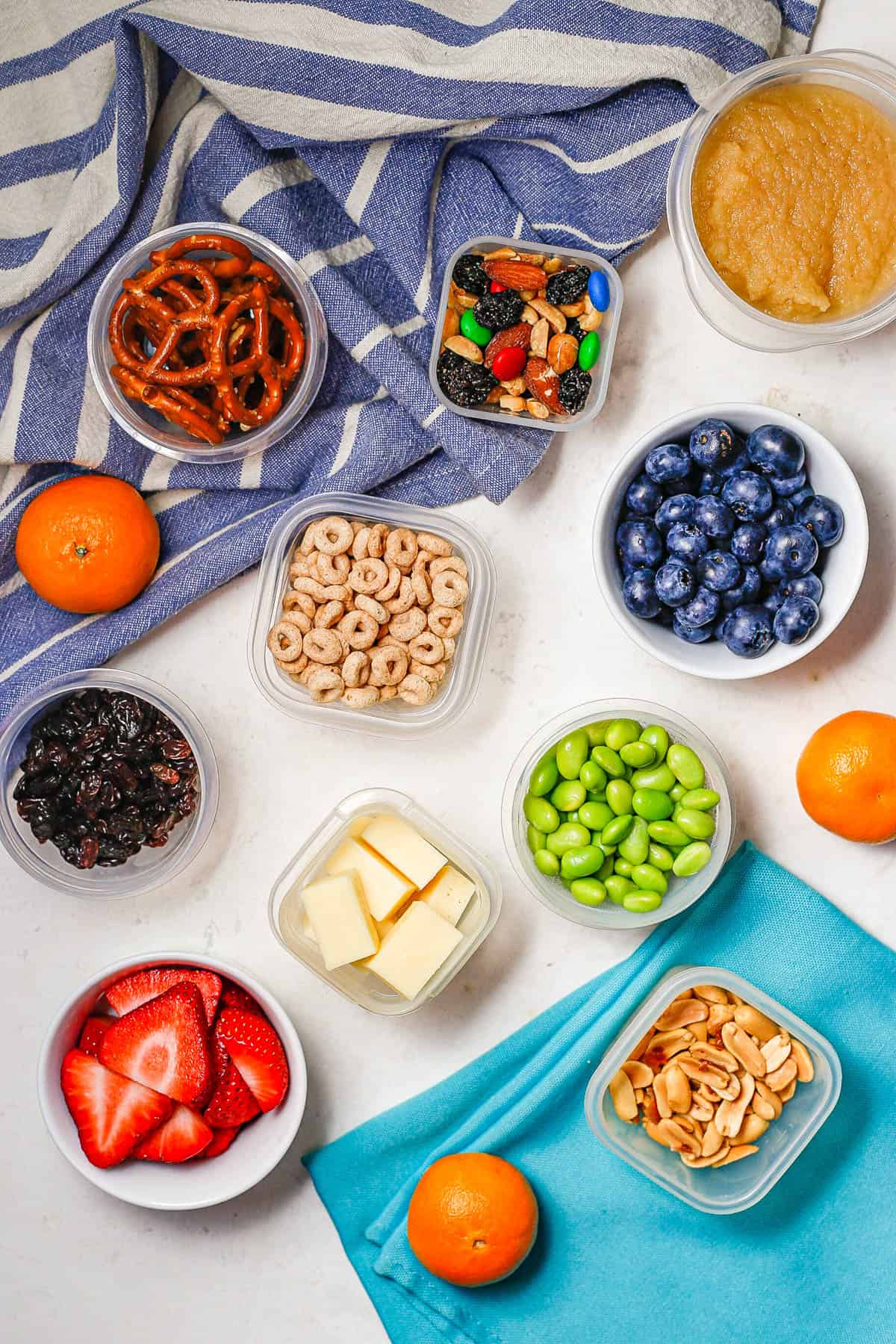
This is where a little planning beats willpower. If you enjoy THC gummies, THC coffee, or a low-dose THC seltzer in the evening, set yourself up before the effects kick in. Hydrate first. Put together a reasonable snack plate. Keep the “grab-and-go” choices clean. The munchies may be real, but they don’t have to run the whole show.
The Brain Science Behind the Munchies
Researchers say the munchies appear to be primarily brain-mediated, not just a stomach issue. THC interacts with the endocannabinoid system and influences brain regions tied to reward, motivation, and hunger signaling. In coverage of the study, researchers described how cannabis can push the brain to treat food like a higher priority—even when someone is already full.
That helps explain a familiar experience: you eat, feel satisfied, and then somehow still want another round 30 minutes later. It’s not always “lack of discipline.” It’s a real shift in how the brain values food in that moment. And once you understand that, it becomes much easier to build habits that work with your body instead of against it.
It also explains why dosing matters. A lighter session may simply make dinner more enjoyable. A heavier one can push appetite, snacking, and impulse eating much harder. If your goal is comfort and relaxation—not a late-night kitchen raid—staying in your comfortable range makes a difference. For many people, that means being intentional about timing and sticking to familiar serving sizes instead of stacking products.
How To Handle the Munchies Without Overdoing It
Let’s keep this practical. The best munchies strategy starts before you consume anything. Decide what your meal is. Decide what your snack is. Put water in reach. Then enjoy your evening. That one move cuts down on the classic “I ate whatever was closest” problem.
A few easy rules help:
- Eat a real meal first if you’re consuming later at night.
- Keep protein and fiber nearby so cravings don’t turn into a sugar sprint.
- Drink water early—many people confuse thirst with hunger.
- Portion snacks before the effects peak.
- Avoid mixing in alcohol if your goal is to feel good and stay clear.
If reducing alcohol is part of your routine this year, this topic overlaps with the growing “substitution” conversation around THC drinks. You can read more in Could swapping a cold one for a cannabis beverage help people drink less? and the study The Exploration of Cannabis Beverage Substitution for Alcohol: A Novel Harm Reduction Strategy. Different topic, same principle: a little planning goes a long way.
A Better Way To Think About Cannabis and Appetite
The biggest takeaway from this new munchies research is not “cannabis makes people snack.” We already knew that. The real takeaway is that appetite effects are consistent enough to be useful in some settings and manageable in everyday life when you respect them.
For some people, appetite support is a genuine quality-of-life issue. For others, it’s just part of the rhythm of how they unwind. Either way, the smarter move is the same: know your dose, know your timing, and know what’s in your fridge before the mood shifts.
Cannabis works best when it fits into your life on purpose. That applies whether you prefer a gummy at the end of the day, a THC seltzer instead of a drink, or a THC coffee on a slow weekend. If you want more educational reads in this lane, take a look at THC & Intimacy: Low-Dose Gummies, Seltzers & Coffee for Connection, Dating & Cannabis: 2026 Poll Says It’s a Green Flag for Most, and The Impact of Cannabinoids on Social Cognition: Results of a Study in Natural Context.