CBD and THCV Linked to Weight Loss and Improved Health Markers

A recent study published in the journal Cannabis highlights how a daily regimen of two cannabis-derived compounds—THCV (tetrahydrocannabivarin) and CBD (cannabidiol)—may support healthier body weight, lower blood pressure, and improved cholesterol levels. Over the course of 90 days, 44 adults were given once-daily mucoadhesive oral strips that contained CBD or THCV or a placebo.

The findings were noteworthy: Participants who used the strips experienced a statistically significant drop in body weight, saw reductions in waist circumference, and reported lower total and LDL (“bad”) cholesterol. Two dosage levels were compared—one at 8 mg THCV and 10 mg CBD per strip, and another at 16 mg THCV and 20 mg CBD per strip. The higher dosage appeared even more effective, resulting in an average weight loss of about 9 pounds.

Importantly, people were not asked to make any changes to their diet or exercise routines. This suggests that the cannabinoids themselves may support metabolism and overall health in ways that encourage measurable weight reduction. The study does note, however, that THCV use can sometimes lead to a positive THC result on standard drug tests, which could be relevant for those regularly tested for cannabis metabolites.

Metabolic Effects and Minor Cannabinoids

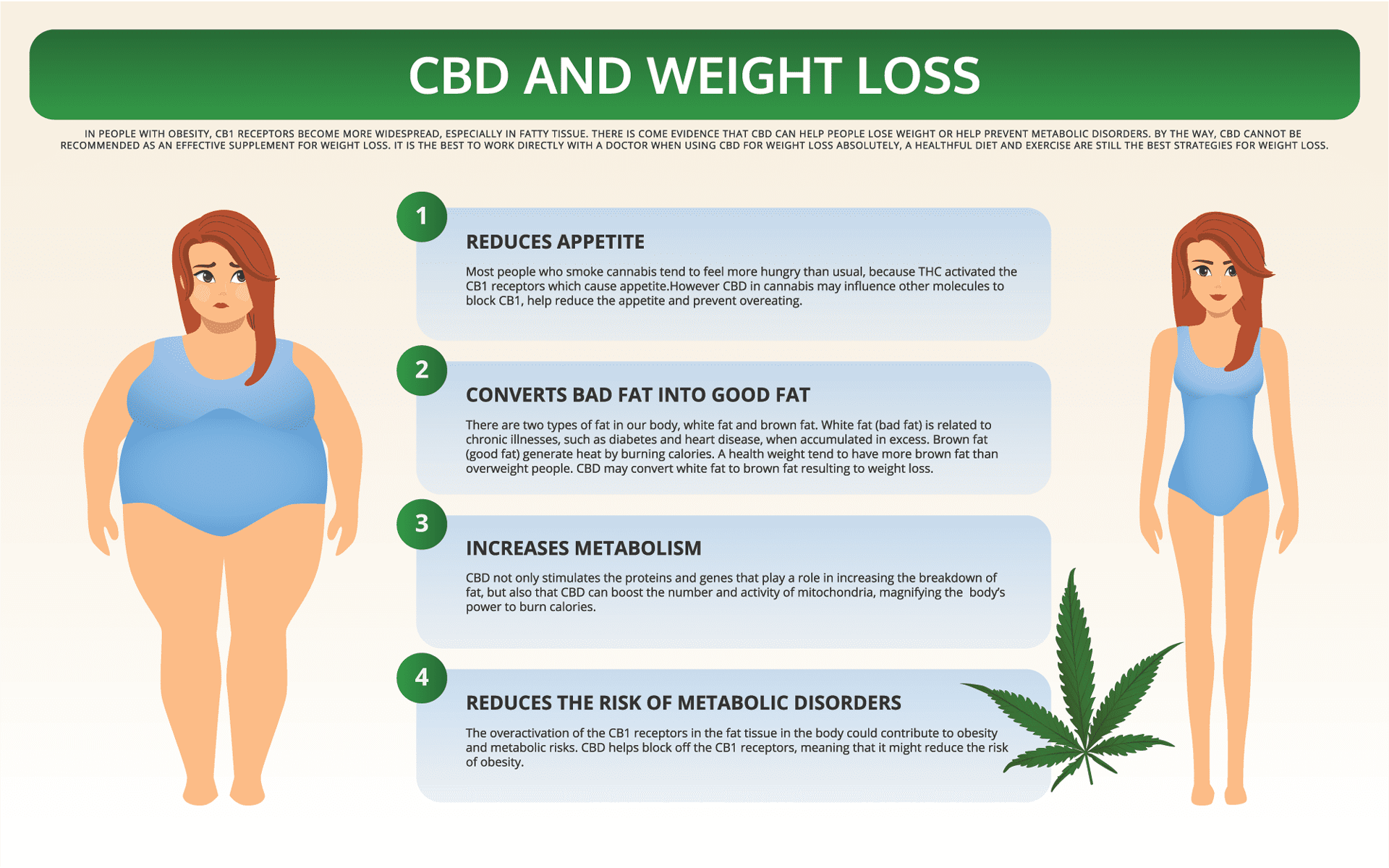
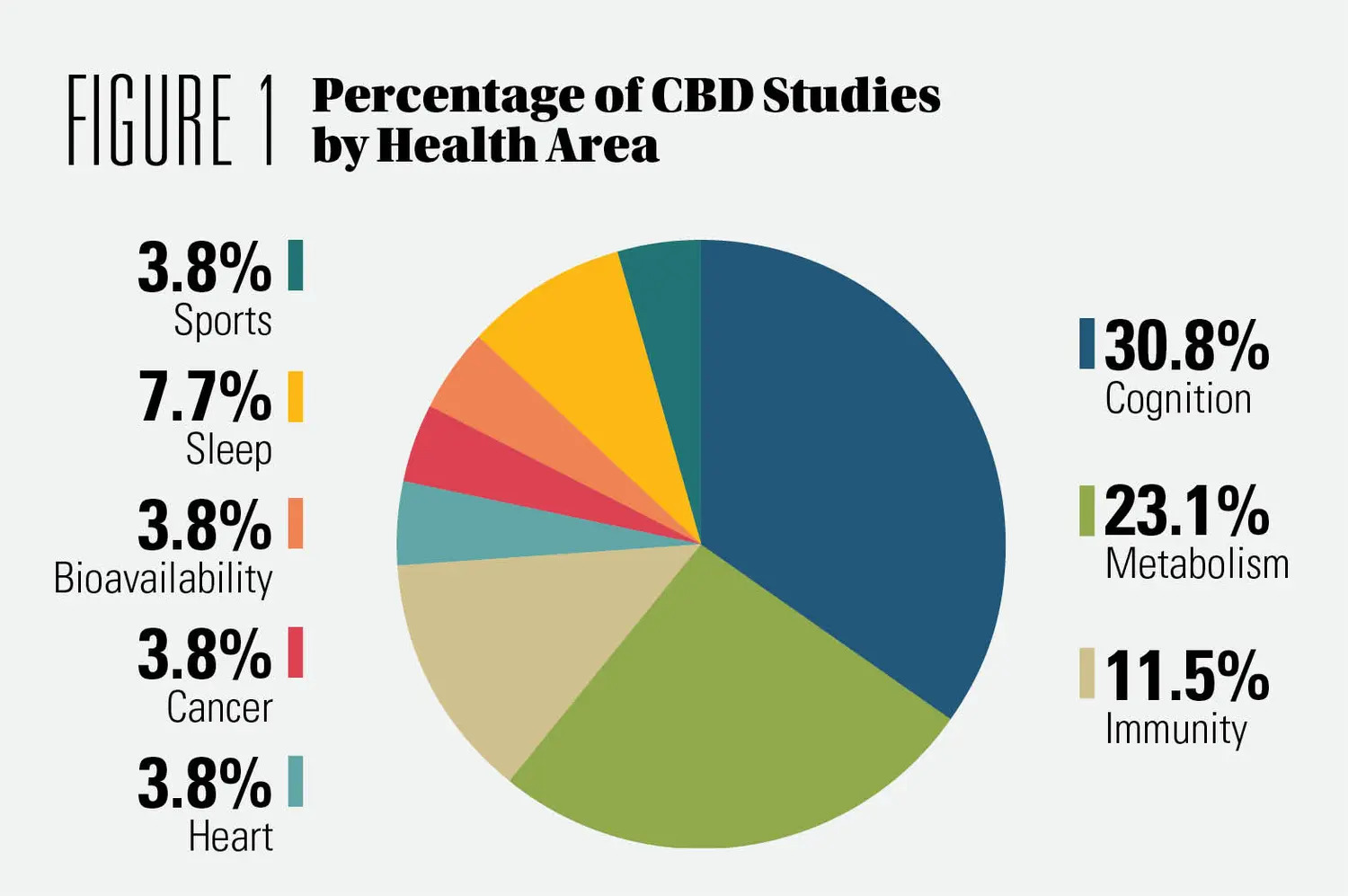
Research into how cannabinoids affect the human body is rapidly evolving, especially regarding so-called “minor cannabinoids” like THCV and CBD. Preliminary findings suggest these compounds may influence energy balance, appetite, and metabolic health. For instance, CBD has been linked to metabolic benefits such as higher activity in brown adipose tissue—often associated with burning calories and generating heat.

Beyond direct weight management, studies also report that THCV and CBD may help reduce elevated blood pressure, lower harmful cholesterol levels, and support healthy blood sugar regulation. While these findings are promising, scientists emphasize the need for larger, more controlled studies to confirm specific dosing guidelines, efficacy, and long-term safety.

As with any wellness intervention, it’s vital for individuals to speak with healthcare professionals before using cannabis-based products, particularly if they are on other medications or managing chronic conditions.

Cannabis Use and Physical Activity

In addition to potential metabolic advantages, emerging research challenges the stereotype of the “lazy stoner.” Multiple studies show that regular cannabis consumers can have lower body mass indexes (BMIs) and even engage in more physical activity compared to non-users. Some reports suggest that ingesting cannabis prior to exercise may enhance the “runner’s high,” reduce workout-related discomfort, and improve overall enjoyment.

For older adults, certain cannabinoids may even help promote consistency in exercise habits. While more data is needed to fully grasp how different cannabinoid blends affect lifestyle factors, these initial findings suggest that THCV, CBD, and other components of cannabis may play a supportive role in weight management and overall health.

As this field continues to evolve, researchers worldwide are exploring how targeted cannabinoid treatments might complement traditional weight loss and wellness programs. Consult a healthcare provider to learn whether cannabis-based options are appropriate for your health goals.

CBD Use on the Rise – More Than 1 in 10 Americans Report Using CBD

New research reveals that over 10% of Americans have used CBD in the past month, highlighting the growing mainstream acceptance of hemp-derived products. The study, published in Preventative Medicine Reports, analyzed data from the 2022 National Survey on Drug Use and Health (NSDUH), showing that CBD use is especially common among individuals who also consume marijuana.

The findings indicate that among people who have used marijuana in the past 30 days, 40.7% also used CBD. Additionally, past-year marijuana users reported a 32.2% CBD usage rate. Even those who have only tried marijuana in the past reported a 19.1% likelihood of using CBD.

However, CBD use isn’t limited to cannabis consumers. Among individuals with no history of marijuana use, about 5% reported taking CBD in the past month, demonstrating its broad appeal for wellness and therapeutic benefits.

As consumer demand for CBD continues to rise, it's clear that many are turning to hemp-derived products for relaxation, relief, and overall well-being.

The Future of CBD – Market Growth & Potential Policy Changes

The CBD industry continues to evolve, with increasing consumer demand driving both innovation and regulatory discussions. The 2018 Farm Bill legalized hemp-derived CBD, but new policy changes may be on the horizon as Congress works on the next version of the Farm Bill.

Potential legislative updates could reshape the hemp industry. While some lawmakers advocate for reducing regulatory barriers for hemp farmers, others seek to impose stricter controls, especially regarding synthesized cannabinoids.

At the same time, scientific research into CBD’s benefits is expanding. Upcoming studies funded by the National Institute on Drug Abuse (NIDA) will examine whether hemp-derived CBD can help reduce marijuana dependency and act as a natural alternative for THC users.

The momentum behind CBD isn’t slowing down. Consumers are embracing hemp-based products for their potential therapeutic properties, and businesses are responding with innovative, high-quality offerings.

As the industry navigates regulatory shifts, one thing is certain—CBD is here to stay, and its role in health, wellness, and alternative medicine will only continue to grow.

Why People Are Choosing CBD – Health Benefits & Growing Acceptance

CBD’s increasing popularity can be attributed to its potential health benefits and the growing trust in natural remedies. Many individuals use CBD for relaxation, pain relief, anxiety management, and even as a substitute for other substances.

According to researchers, CBD may help alleviate alcohol cravings, suggesting its potential as a treatment for alcohol use disorder (AUD). Other studies indicate that CBD could play a role in reducing opioid prescriptions, potentially leading to 6.6% to 8.1% fewer opioid prescriptions.

Beyond addiction management, a 2023 study in the Journal of Dental Research found that pure CBD provides pain relief comparable to commonly used opioid formulas in dental procedures. This positions CBD as a promising alternative to traditional pain medications.

As acceptance grows, mainstream retailers are also taking notice. DoorDash recently announced plans to expand CBD product offerings, including gummies and beverages, making it easier than ever for consumers to access high-quality hemp-derived products.

With its versatility and increasing availability, CBD is becoming an essential part of many people’s wellness routines.