



CBD Use on the Rise – More Than 1 in 10 Americans Report Using CBD

New research reveals that over 10% of Americans have used CBD in the past month, highlighting the growing mainstream acceptance of hemp-derived products. The study, published in Preventative Medicine Reports, analyzed data from the 2022 National Survey on Drug Use and Health (NSDUH), showing that CBD use is especially common among individuals who also consume marijuana.
The findings indicate that among people who have used marijuana in the past 30 days, 40.7% also used CBD. Additionally, past-year marijuana users reported a 32.2% CBD usage rate. Even those who have only tried marijuana in the past reported a 19.1% likelihood of using CBD.
However, CBD use isn’t limited to cannabis consumers. Among individuals with no history of marijuana use, about 5% reported taking CBD in the past month, demonstrating its broad appeal for wellness and therapeutic benefits.
As consumer demand for CBD continues to rise, it's clear that many are turning to hemp-derived products for relaxation, relief, and overall well-being.

The Future of CBD – Market Growth & Potential Policy Changes
The CBD industry continues to evolve, with increasing consumer demand driving both innovation and regulatory discussions. The 2018 Farm Bill legalized hemp-derived CBD, but new policy changes may be on the horizon as Congress works on the next version of the Farm Bill.
Potential legislative updates could reshape the hemp industry. While some lawmakers advocate for reducing regulatory barriers for hemp farmers, others seek to impose stricter controls, especially regarding synthesized cannabinoids.
At the same time, scientific research into CBD’s benefits is expanding. Upcoming studies funded by the National Institute on Drug Abuse (NIDA) will examine whether hemp-derived CBD can help reduce marijuana dependency and act as a natural alternative for THC users.
The momentum behind CBD isn’t slowing down. Consumers are embracing hemp-based products for their potential therapeutic properties, and businesses are responding with innovative, high-quality offerings.
As the industry navigates regulatory shifts, one thing is certain—CBD is here to stay, and its role in health, wellness, and alternative medicine will only continue to grow.
Why People Are Choosing CBD – Health Benefits & Growing Acceptance
CBD’s increasing popularity can be attributed to its potential health benefits and the growing trust in natural remedies. Many individuals use CBD for relaxation, pain relief, anxiety management, and even as a substitute for other substances.
According to researchers, CBD may help alleviate alcohol cravings, suggesting its potential as a treatment for alcohol use disorder (AUD). Other studies indicate that CBD could play a role in reducing opioid prescriptions, potentially leading to 6.6% to 8.1% fewer opioid prescriptions.
Beyond addiction management, a 2023 study in the Journal of Dental Research found that pure CBD provides pain relief comparable to commonly used opioid formulas in dental procedures. This positions CBD as a promising alternative to traditional pain medications.
As acceptance grows, mainstream retailers are also taking notice. DoorDash recently announced plans to expand CBD product offerings, including gummies and beverages, making it easier than ever for consumers to access high-quality hemp-derived products.
With its versatility and increasing availability, CBD is becoming an essential part of many people’s wellness routines.
The Shocking Link Between Cannabis & Cutting Back on Alcohol—New Data!

How Cannabis is Helping People Cut Back on Alcohol
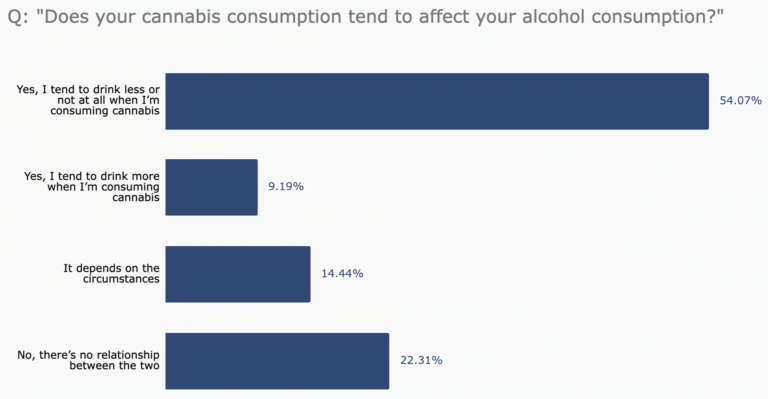
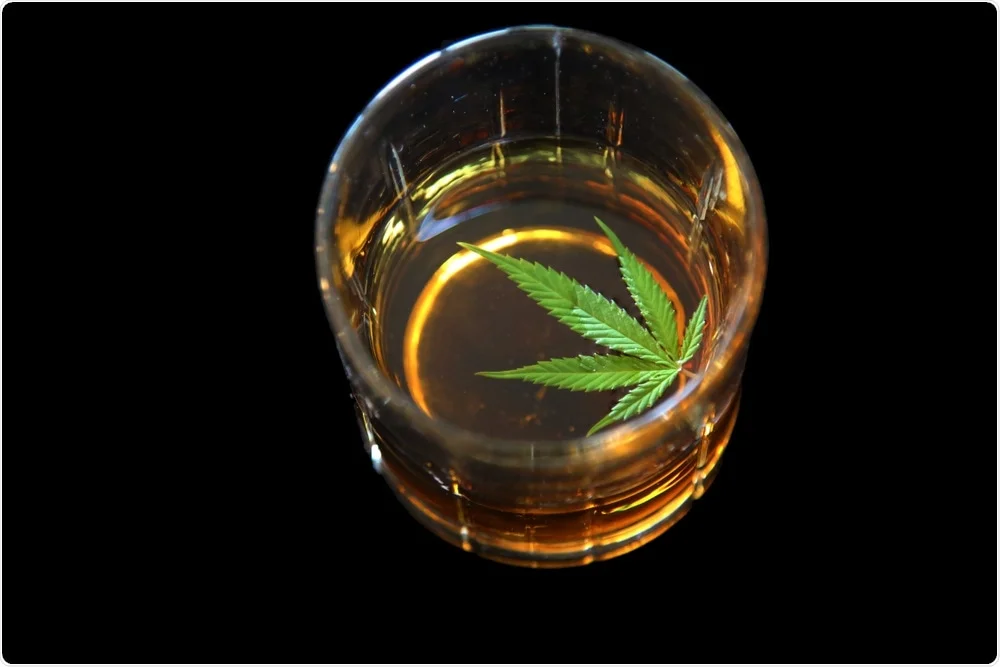
A growing body of research is challenging long-held beliefs about alcohol and cannabis consumption. A new survey conducted by cannabis telehealth platform NuggMD found that more than half of cannabis consumers tend to drink less alcohol—or none at all—after using cannabis.
According to the poll, 54% of respondents reported a decrease in alcohol use, with many citing cannabis as a preferred alternative. This emerging trend, known as the “substitution effect,” suggests that more people are turning to cannabis in place of alcohol for relaxation, stress relief, and wellness benefits.
At Workman’s Relief, we recognize the shift toward healthier choices and are proud to offer high-quality THC and CBD products that align with this movement. As more consumers explore the benefits of cannabis, the conversation around responsible, mindful consumption continues to evolve.
The Wellness Shift: Cannabis as a Safer Alternative
The shift from alcohol to cannabis is more than just a trend—it’s a wellness movement. Research suggests that consumers are choosing cannabis over alcohol because they perceive it as a safer, less harmful option. Studies backed by organizations like the National Institute on Drug Abuse (NIDA) have shown that daily cannabis use is increasing, while alcohol consumption is seeing a decline.
One key reason for this shift is the growing awareness of alcohol’s negative effects, including liver damage, addiction, and impaired cognitive function. In contrast, cannabis is often viewed as a way to unwind without the hangover or long-term health risks associated with alcohol. Additional studies have even linked cannabis legalization to a reduction in beer sales, reinforcing the idea that consumers are making a conscious switch.
At Workman’s Relief, we support this shift toward mindful consumption. Our THC and CBD products provide a natural, enjoyable alternative to alcohol, whether you’re looking to relax, relieve stress, or enhance your social experiences—all without the drawbacks of traditional alcohol consumption.
Experience the Cannabis Revolution with Workman’s Relief
The trend is clear—more people are turning to cannabis as a wellness-forward alternative to alcohol, and the science backs it up. As legalization expands and consumer preferences shift, the demand for high-quality THC and CBD products continues to grow.
At Workman’s Relief, we’re committed to providing premium hemp-derived products that fit seamlessly into your lifestyle. Whether you’re cutting back on alcohol or exploring cannabis for its relaxation and wellness benefits, our gummies, tinctures, and THC-infused beverages offer a reliable, enjoyable experience.
Ready to make the switch? Browse our full selection here and discover why so many are choosing cannabis over alcohol.
Join the movement, embrace the benefits, and redefine your wellness routine with Workman’s Relief.

