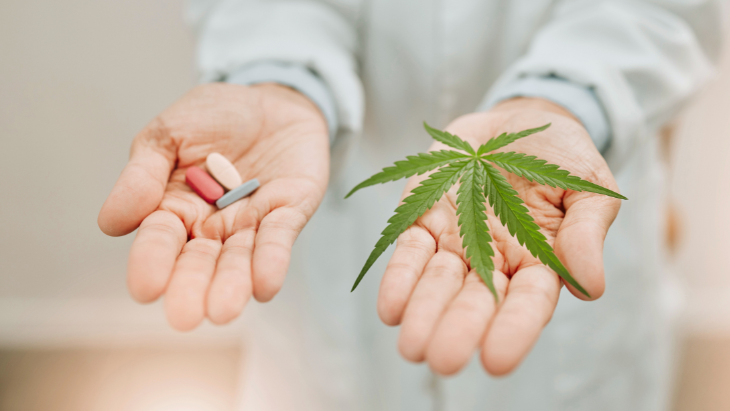
The Legal Future of Cannabis Is More Uncertain Than Ever

While many Americans now enjoy access to legal cannabis products like gummies, topicals, and oils, federal law still classifies marijuana as a Schedule I substance—on par with heroin. Recently, efforts to challenge this status were shut down by a federal appeals court, and now the case is heading to the U.S. Supreme Court.

This comes on the heels of congressional proposals that would ban all hemp-derived THC products, such as Delta-8 and even trace-THC CBD products. Add in a new Senate bill that targets flavored edibles and THC beverages, and the message is clear: Federal lawmakers are ramping up efforts to reverse cannabis progress.

What was once unthinkable—national prohibition of your favorite hemp and THC products—is now on the table.

Congress Is Moving Fast — Your Voice Matters

These bills aren’t just ideas. They’re moving through committees and gaining support from lawmakers across multiple states. While some legal experts believe the Supreme Court may revisit cannabis laws, others warn that these cases could fizzle out without real impact.

If we wait, we may lose the freedom to access hemp-based relief altogether.

Please take a moment today to contact your congressional representative. Tell them you support legal access to hemp and THC products — and that you oppose heavy-handed federal crackdowns on state-legal wellness industries.

Stock Up Before the Law Changes

Whether or not the Supreme Court takes up the challenge, and no matter how the rescheduling talks unfold, we’re in a moment of real uncertainty. The threat of a federal ban or heavy penalties on popular THC formats is very real — and very close.

That’s why now is the time to act. Don’t wait until Congress decides what you’re allowed to buy. If you use THC gummies, CBD roll-ons, or cannabis-infused topicals, stock up now while they’re legal and accessible.

Workman’s Relief products are still shipping nationwide — get yours today while you still can.

Hemp THC Ban Looms: Why Now Is the Time to Stock Up on Legal Cannabis Products

Congress is once again taking aim at the hemp and cannabis industry. A new bill moving through the House Appropriations Committee includes language that could outlaw the majority of THC-infused hemp products, including those that were federally legalized under the 2018 Farm Bill.

Introduced by a GOP-led subcommittee, the bill seeks to redefine hemp in a way that bans any product containing “quantifiable” amounts of THC or cannabinoids marketed as having similar effects. That includes Delta-8, Delta-10, and even full-spectrum CBD gummies — the kind of wellness products used daily by millions of Americans.

If passed, the only legal hemp products would be limited to non-consumables like rope, seed oil, or fiber. The rest? Wiped off shelves — federally.

States Fighting Back, But the Clock Is Ticking

While many states are creating their own regulations to protect access to THC and CBD products, this federal bill could override those efforts. Industry leaders and advocacy groups have warned that the language is overly broad, and if enacted, could dismantle years of progress in hemp-based wellness. Even companies like Cornbread Hemp and the U.S. Hemp Roundtable are sounding the alarm — saying the law could devastate American hemp farmers and strip consumers of safe, regulated access to cannabinoid products they rely on daily for relief. Polls show that 70% of Americans support access to cannabis products. But public opinion doesn’t always win in Washington. If this bill advances, it could mark the beginning of a full-scale rollback on consumer THC availability.

Stock Up Before the Storm

Whether or not this legislation becomes law, one thing is clear: the window for easy, legal access to hemp-derived THC may be closing fast. Federal lawmakers are pushing for stricter definitions, tighter controls, and outright bans — and once it’s signed, it could be too late to act.

If you count on cannabis-infused gummies, oils, or topicals to support your wellness, now’s the time to prepare. Stock your shelf while the products you love are still available.

Workman’s Relief products are still legal, lab-tested, and ready to ship — get yours before they’re gone.

The Shocking Link Between Cannabis & Cutting Back on Alcohol—New Data!

How Cannabis is Helping People Cut Back on Alcohol

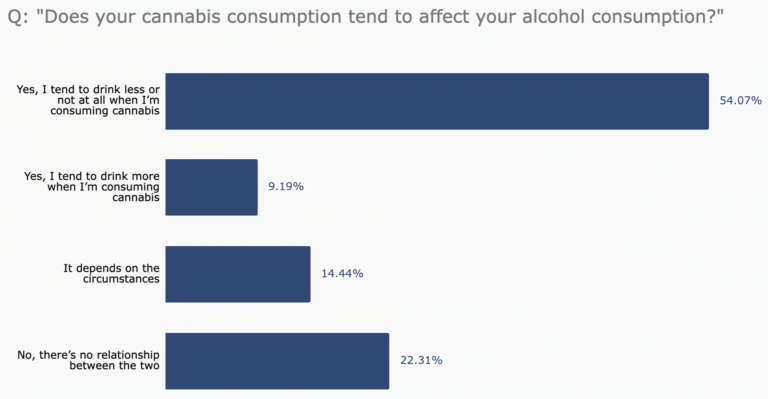
A growing body of research is challenging long-held beliefs about alcohol and cannabis consumption. A new survey conducted by cannabis telehealth platform NuggMD found that more than half of cannabis consumers tend to drink less alcohol—or none at all—after using cannabis.

According to the poll, 54% of respondents reported a decrease in alcohol use, with many citing cannabis as a preferred alternative. This emerging trend, known as the “substitution effect,” suggests that more people are turning to cannabis in place of alcohol for relaxation, stress relief, and wellness benefits.

At Workman’s Relief, we recognize the shift toward healthier choices and are proud to offer high-quality THC and CBD products that align with this movement. As more consumers explore the benefits of cannabis, the conversation around responsible, mindful consumption continues to evolve.

The Wellness Shift: Cannabis as a Safer Alternative

The shift from alcohol to cannabis is more than just a trend—it’s a wellness movement. Research suggests that consumers are choosing cannabis over alcohol because they perceive it as a safer, less harmful option. Studies backed by organizations like the National Institute on Drug Abuse (NIDA) have shown that daily cannabis use is increasing, while alcohol consumption is seeing a decline.

One key reason for this shift is the growing awareness of alcohol’s negative effects, including liver damage, addiction, and impaired cognitive function. In contrast, cannabis is often viewed as a way to unwind without the hangover or long-term health risks associated with alcohol. Additional studies have even linked cannabis legalization to a reduction in beer sales, reinforcing the idea that consumers are making a conscious switch.

At Workman’s Relief, we support this shift toward mindful consumption. Our THC and CBD products provide a natural, enjoyable alternative to alcohol, whether you’re looking to relax, relieve stress, or enhance your social experiences—all without the drawbacks of traditional alcohol consumption.

Experience the Cannabis Revolution with Workman’s Relief

The trend is clear—more people are turning to cannabis as a wellness-forward alternative to alcohol, and the science backs it up. As legalization expands and consumer preferences shift, the demand for high-quality THC and CBD products continues to grow.

At Workman’s Relief, we’re committed to providing premium hemp-derived products that fit seamlessly into your lifestyle. Whether you’re cutting back on alcohol or exploring cannabis for its relaxation and wellness benefits, our gummies, tinctures, and THC-infused beverages offer a reliable, enjoyable experience.

Ready to make the switch? Browse our full selection here and discover why so many are choosing cannabis over alcohol.

Join the movement, embrace the benefits, and redefine your wellness routine with Workman’s Relief.

From Painkillers to Pot: How Marijuana Legalization Is Fighting the Opioid Crisis

A recent study published in the Journal of the American Statistical Association has revealed that legalizing medical cannabis can trigger a significant drop in the payments opioid manufacturers make to pain management doctors. This finding is particularly noteworthy because it suggests that pharmaceutical companies are reacting to the growing use of medical marijuana as a substitute for prescription painkillers.

Conducted by researchers from the University of Florida, University of Southern California, and the State University of New York (SUNY) at Buffalo, the study points to a clear link between medical marijuana legalization (MML) and a marked decline in direct payments—like consulting fees and conference travel—offered by opioid manufacturers to physicians who prescribe opioids. The authors explain that this pattern likely emerges because doctors, and their patients, are increasingly turning to cannabis for chronic pain relief, thereby reducing the demand for prescription painkillers.

“Our findings indicate that medical marijuana is increasingly viewed as a substitute for opioids in chronic pain treatment,” said co-author Wreetabrata Kar, assistant professor of marketing at SUNY Buffalo. Kar and his colleagues emphasize that the availability of medical cannabis could help reshape pain management strategies while also easing the impact of the ongoing opioid crisis.

Shift in Financial Dynamics and Patient Impact

The study notes a more pronounced decrease in opioid payouts to doctors practicing in areas with predominantly white populations, lower incomes, and larger working-age communities. According to Kar, these demographics face higher rates of chronic pain and opioid misuse—two factors that may make these regions particularly receptive to cannabis as an alternative. Meanwhile, younger adults tend to be more open to exploring nontraditional treatments, contributing to the trend.

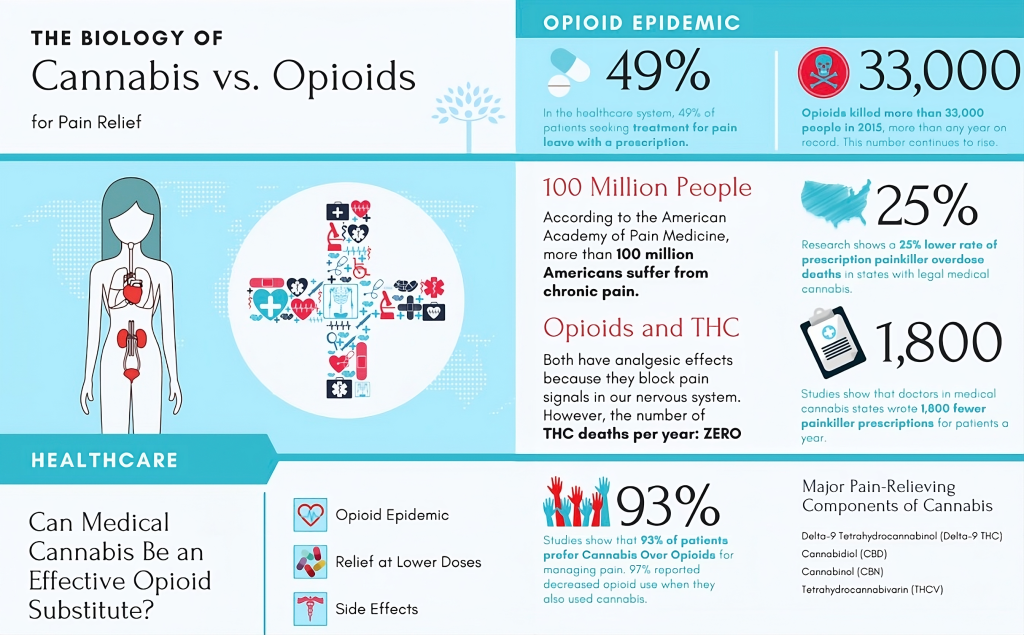
Beyond payments to physicians, the data shows another encouraging sign: states that have legalized medical cannabis reported fewer overall opioid prescriptions. The ratio of opioid to non-opioid prescriptions in MML states dropped more noticeably than in those without legalization, demonstrating that doctors are, in fact, opting for cannabis as a viable pain relief option.

These results build on a growing body of research linking legal cannabis access to reductions in opioid-related harms. One study published last year found a decline in fatal opioid overdoses in states that had embraced adult-use cannabis, suggesting a potentially valuable role for marijuana in preventing overdose deaths. Additionally, a separate report from Utah highlighted that wider access to medical marijuana helped reduce both opioid use among patients and statewide overdose rates.

New Directions in Pain Management

Further studies, including one by the American Medical Association (AMA), have consistently shown a positive relationship between medical cannabis use and lowered reliance on opioids and other prescription medications. In particular, chronic pain patients who used medical marijuana for over a month recorded a significant drop in prescribed opioid dosages. Another AMA report found that a third of chronic pain patients in its survey turned to cannabis, often as a direct substitute for narcotic painkillers.

Looking Ahead: Cannabis as a Key Player in Combating the Opioid Crisis

Collectively, these studies underscore a growing consensus that legal cannabis can serve as a meaningful tool in reducing opioid consumption, minimizing overdose risks, and reshaping pain management practices. By offering a potentially safer alternative for chronic pain, medical marijuana shifts the financial dynamics within the healthcare industry, pressuring opioid manufacturers to reduce promotional spending.

As more states adopt or expand medical cannabis laws, we can expect continued shifts in prescribing behaviors—and in turn, the broader healthcare landscape. While there are still legitimate concerns regarding safe usage, research into cannabinoids’ analgesic properties and their capacity to reduce opioid dependence is expanding quickly. The positive results from recent and ongoing studies make it clear: medical marijuana may hold significant promise in transforming how chronic pain is managed and, ultimately, reducing opioid-related harm nationwide.