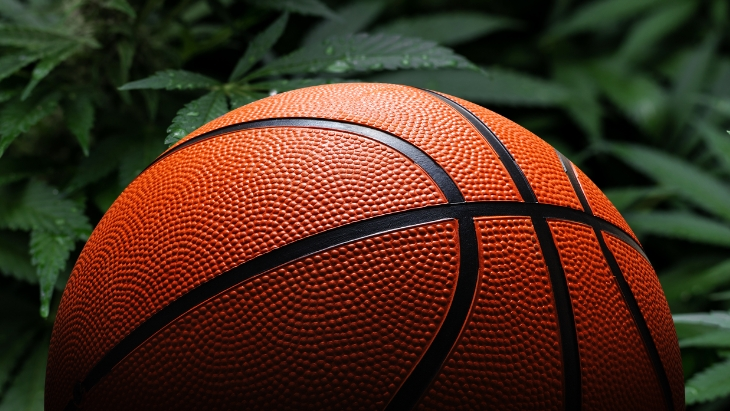
Cannabis as a Rising Alternative in Sports Pain Management
As perceptions around cannabis evolve, so does its role in sports medicine. New research presented by Jacksonville State University has shown that cannabis use among NCAA athletes may help manage pain, muscle spasms, inflammation, and even sleep quality. These findings come on the heels of the NCAA's decision to remove marijuana from its list of banned substances, reflecting a broader shift toward athlete well-being over punitive measures.
The report cited benefits for conditions like fibromyalgia, highlighting marijuana’s anti-inflammatory properties and its potential to support recovery and post-exercise treatment. Although researchers stress the need for more robust studies, early evidence is promising.
This shift aligns with broader policy changes across professional sports leagues and reflects growing interest in holistic alternatives to traditional medications.
Is Cannabis More Effective Than Traditional Pain Medications?
A growing body of research suggests cannabis may rival or outperform common prescription medications in pain management. In one study, patients reported marijuana as being as effective or better than opioids after three months of use. Below is a comparison of cannabis and traditional medications based on recent findings:
| Treatment Type | Effectiveness Reported | Side Effects | Reduction in Other Meds |
|---|---|---|---|
| Medical Cannabis | Moderate to High | Mild (dry mouth, drowsiness) | Yes – opioids, NSAIDs |
| Prescription Opioids | High (short term) | High (addiction risk, nausea) | No |
| Non-Opioid Pain Meds | Moderate | Moderate (GI issues, fatigue) | No |
Studies also indicate a drop in opioid overdose deaths in states with legalized cannabis access. These findings underscore the potential of marijuana to serve as a safer, effective alternative for chronic pain management—especially in high-impact communities like sports and athletics.
Athletic Policy Reform and the Path Ahead
Policy shifts by the NCAA, NFL, UFC, and others reflect a cultural and clinical pivot away from penalizing cannabis use and toward embracing its therapeutic potential. These changes are backed by studies suggesting that cannabis can lower pain, improve sleep, and reduce dependency on high-risk drugs.
While not every athletic body has aligned with this reform—such as the World Anti-Doping Agency—many U.S.-based leagues are taking progressive steps. States like Nevada have even adopted legislation to shield athletes from penalties for lawful marijuana use.
As more athletes, trainers, and healthcare providers explore cannabis as part of a recovery and wellness toolkit, it’s essential to stay informed. At Workman’s Relief, we’re committed to supporting education, access, and responsible product development in the ever-evolving world of cannabinoid wellness.