The Ache We Carry: What New Evidence Says About Back Pain & Cannabis

Back pain is the soundtrack under a lot of American days—commutes, desk chairs, old injuries that never sent a postcard before they came roaring back. Two large clinical trials in Europe just handed us something sturdier than rumor: a full-spectrum cannabis oil (THC + CBD + native compounds) beat placebo for chronic low-back pain, and in a separate head-to-head it delivered better relief and sleep over six months with fewer GI complaints than opioids. Not a miracle, not for everyone—but real signal through the static. And here at home, population data keep pointing in the same direction: when states open legitimate medical access, opioid prescribing drops on average, which suggests people and clinicians are looking for safer ways to manage hurt. If you want the numbers without the politics, start with this plain-English brief: Cannabis & Opioids: 16% Fewer Prescriptions After Legalization (2025 Study).
How People Are Actually Using THC & CBD For Backs That Bark

Low-dose THC for evening wind-down. Many back-pain folks start with 2–5 mg THC in a beverage or gummy, then wait 60–120 minutes before considering another small step. The goal isn’t oblivion—it’s dialing pain down enough to move, stretch, sleep. If you’re curious about formats and pacing, this consumer-friendly guide helps: THC Drinks Are Rising: A Simple Guide to Low-Dose Cannabis Beverages (2025).

CBD for daytime calm and sleep support. Early human data suggest some people notice reduced anxiety and better sleep inside a week on consistent CBD. For backs, calm isn’t cosmetic—it’s less guarding, smoother movement. Get the study snapshot here: New Study: CBD Use Linked to Lower Anxiety in Just One Week.

Topicals for local trouble spots. Balms and roll-ons won’t fix a disc, but many people use them like a fire extinguisher for hotspots—before long drives, after yard work, right before bed. Look for clear CBD/THC mg per container, menthol/capsaicin callouts if you like cooling/warming, and current COAs.

Safety notes, the kind you tell friends. Start low. Avoid mixing with alcohol. Older adults: mind dizziness and fall risk. THC may trigger a positive drug test. If you’re pregnant, nursing, on anticoagulants, sedatives, or other meds, loop in your clinician first. Not medical advice—just the careful way to try something new.

From Hemp Sails To Modern Relief: Build A Plan That Travels

Hemp carried wooden ships across impossible water because it was strong, simple, reliable. That same plant family still shows up when we need something that works in the real world—on hard weeks, in noisy houses, across long winters. If you like history with your health, this short read connects the old world to our sidewalks: Columbus Day & Hemp: How Fiber Powered Voyages—and Today.

Practical roadmap: pick one method (evening low-dose THC or daytime CBD), journal pain/sleep for 7–14 days, add a topical for flare-ups, and keep your movement routine humble but consistent. Adjust one variable at a time. Respect your state’s laws, don’t drive impaired, and keep products away from kids and pets.

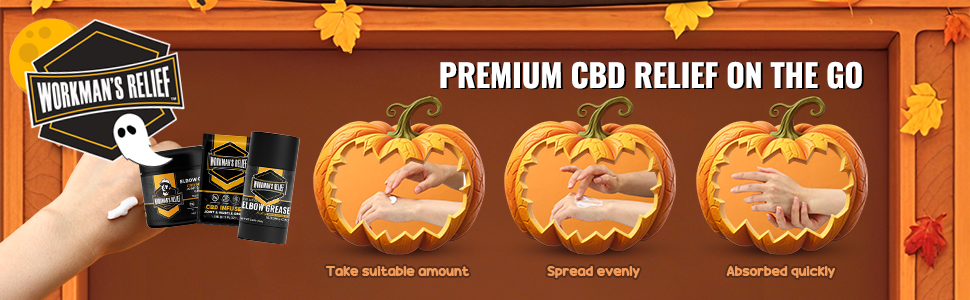
And when Halloween rolls around and you’re logging ten thousand steps under a plastic mask while your back files a complaint, remember there are hemp-derived, lab-tested options built for nights like that—roll-ons, high-strength CBD tinctures, low-dose THC sippers. Workman’s Relief might have exactly what you need at the end of the block.

Our Recommendations//

New Global Studies Show Marijuana Is Not a Gateway Drug

Science Continues to Debunk the 'Gateway Drug' Myth

A groundbreaking study out of Japan has dealt another blow to the long-standing claim that marijuana is a gateway drug. Published in Neuropsychopharmacology Reports and backed by Japan’s Ministry of Health, Labour and Welfare, the study found that cannabis use typically follows alcohol and tobacco use—and rarely leads to harder drug use. Of the nearly 4,000 surveyed lifetime cannabis users, almost half who reported cannabis as their third substance said they did not go on to use other illicit drugs.

Researchers found low odds of progression to substances like methamphetamine or other illicit drugs after cannabis use, directly challenging the gateway hypothesis. Instead, the study suggests that environmental factors—such as socioeconomic background and strict drug laws—are more predictive of substance use progression than cannabis itself. You can read the full study on PubMed.

Global Studies Show Cannabis Acts More as a Substitute Than a Gateway

Multiple international studies echo these findings. In the United States, researchers found no link between cannabis legalization and increased stimulant use—contrary to their initial hypothesis. In fact, several surveys, including ones from the American Psychiatric Association and Gallup, report that Americans now view marijuana as less dangerous and less addictive than alcohol, cigarettes, and opioids.

Evidence for substitution effects is mounting:

  • Legal cannabis access is linked to reductions in alcohol, tobacco, and even stimulant use.
  • Studies from Canada show declining beer sales in legal cannabis markets.
  • Medical marijuana has been associated with significant reductions in prescription opioid use and cravings.
  • Research funded by the AMA found that 1 in 3 chronic pain patients use cannabis to replace traditional medications.

The data increasingly suggests that marijuana is being used not as a stepping stone to dangerous drugs, but rather as a harm-reduction tool.

Looking at the Bigger Picture

What emerges from these studies is a clear pattern: cannabis is not the cause of deeper drug involvement, but often a safer alternative chosen by people navigating pain, stress, or recreational needs. The so-called “gateway effect” appears to be more a product of outdated laws and socio-environmental factors than anything inherent to the plant itself.

For those seeking natural ways to support wellness without harsh side effects or risk of dependency, this growing body of research offers reassurance. At Workman’s Relief, we support continued scientific inquiry and believe in offering safe, hemp-derived products that align with what the data shows: cannabis can be part of a responsible and beneficial wellness routine.

The Shift in Sports Medicine – Cannabis and NCAA Athletes

Cannabis as a Rising Alternative in Sports Pain Management

As perceptions around cannabis evolve, so does its role in sports medicine. New research presented by Jacksonville State University has shown that cannabis use among NCAA athletes may help manage pain, muscle spasms, inflammation, and even sleep quality. These findings come on the heels of the NCAA's decision to remove marijuana from its list of banned substances, reflecting a broader shift toward athlete well-being over punitive measures.

The report cited benefits for conditions like fibromyalgia, highlighting marijuana’s anti-inflammatory properties and its potential to support recovery and post-exercise treatment. Although researchers stress the need for more robust studies, early evidence is promising.

This shift aligns with broader policy changes across professional sports leagues and reflects growing interest in holistic alternatives to traditional medications.

Is Cannabis More Effective Than Traditional Pain Medications?

A growing body of research suggests cannabis may rival or outperform common prescription medications in pain management. In one study, patients reported marijuana as being as effective or better than opioids after three months of use. Below is a comparison of cannabis and traditional medications based on recent findings:

Treatment Type Effectiveness Reported Side Effects Reduction in Other Meds
Medical Cannabis Moderate to High Mild (dry mouth, drowsiness) Yes – opioids, NSAIDs
Prescription Opioids High (short term) High (addiction risk, nausea) No
Non-Opioid Pain Meds Moderate Moderate (GI issues, fatigue) No

Studies also indicate a drop in opioid overdose deaths in states with legalized cannabis access. These findings underscore the potential of marijuana to serve as a safer, effective alternative for chronic pain management—especially in high-impact communities like sports and athletics.

Athletic Policy Reform and the Path Ahead


Policy shifts by the NCAA, NFL, UFC, and others reflect a cultural and clinical pivot away from penalizing cannabis use and toward embracing its therapeutic potential. These changes are backed by studies suggesting that cannabis can lower pain, improve sleep, and reduce dependency on high-risk drugs.

While not every athletic body has aligned with this reform—such as the World Anti-Doping Agency—many U.S.-based leagues are taking progressive steps. States like Nevada have even adopted legislation to shield athletes from penalties for lawful marijuana use.

As more athletes, trainers, and healthcare providers explore cannabis as part of a recovery and wellness toolkit, it’s essential to stay informed. At Workman’s Relief, we’re committed to supporting education, access, and responsible product development in the ever-evolving world of cannabinoid wellness.