Alcohol & Marijuana Lobbies Pushed The Hemp-THC Ban

Rand Paul Says Alcohol & Marijuana Interests Teamed Up Against Hemp

On a recent podcast appearance, Sen. Rand Paul (R-KY) said parts of the alcohol industry and segments of the state-licensed marijuana industry aligned to push a federal crackdown on hemp-derived THC products. His view: hemp’s ability to be sold across state lines—and to reach customers nationwide—has threatened established business models built around state borders and high fees.

We’re not here to pick sides. Our focus is access: keeping safe, clearly labeled, lab-tested hemp options available and affordable for consumers who rely on them.

This Isn’t Left vs. Right—It’s Access vs. Gatekeeping

Policy fights often come down to who can sell what, where, and under which rules. Hemp was federally legalized in 2018, allowing compliant products to move across state lines. Some state cannabis operators—who can’t ship products out of their state—and alcohol interests reportedly want tighter limits on hemp to preserve state monopolies, fee structures, and tax revenues. Consumers can get lost in the middle.

  • Hemp = federally legal, interstate shipping allowed (within state laws), typically lower cost.
  • State marijuana = legal only within each state, no interstate commerce yet, higher compliance fees/taxes.
  • Recent proposals would cap “total THC” per container at levels so low that most current products would vanish.
Quick Facts for Consumers

  • Hemp products must meet federal definitions and state rules; reputable brands provide full COAs and precise dosing.
  • Well-made hemp products are already helping millions with relaxation, sleep, and everyday recovery—without a bar tab.
  • Most proposed bans don’t distinguish between unsafe, unlabeled products and compliant, transparent brands.

Related reads: First Month Free THC & CBD Subscription • THC Numbers vs. Real Impairment • Fewer Americans Plan to Quit Cannabis in 2026

Watch the Segment

Senator Paul’s comments begin around the 45-minute mark. We encourage you to hear the full context and decide for yourself:

Key takeaway (paraphrased): hemp’s national reach challenged state-bound models, prompting unusual alliances to restrict it. Our view: regulate smartly; don’t erase access.

Our Promise: Accessible, Affordable, Transparent Hemp Care

Workman’s Relief supports consumer-first regulation: age gates, accurate labels, contaminant testing, and honest dosing. We don’t support blanket bans that remove helpful products from responsible adults. We remain politically neutral and firmly pro-access—because your wellness shouldn’t depend on a ZIP code or a lobbying war.

  • Always check COAs, batch numbers, and serving sizes.
  • Choose reputable brands with clear testing and responsible formulations.
  • Speak up: constructive, science-based rules protect consumers without wiping out options.

We’ll keep showing up for quality, safety, and access—so you can choose what works best for you, not what works best for a special interest.

Our Recommendations//

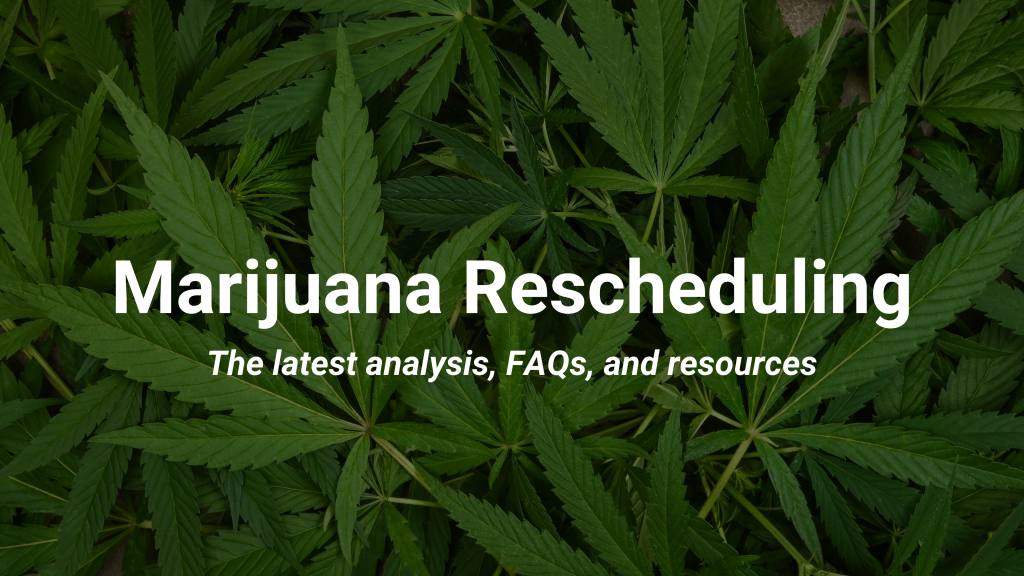
Cannabis Rescheduling: What It Is—and What It Isn’t

Disclosure: We are not a medical marijuana company. Our products are Farm Bill–compliant hemp products.

Federal officials have recently signaled that they’re evaluating whether to move cannabis from Schedule I to Schedule III under the Controlled Substances Act (CSA). This Wellness Wednesday, we’re keeping it neutral and practical: what “rescheduling” could change, what it likely won’t, and how to think about next steps for consumers and businesses. Quick refresher—under the CSA, Schedule I drugs are deemed to have no accepted medical use and a high potential for abuse; Schedules II–V include substances with recognized medical uses and varying abuse potential.

State laws will continue to matter a lot. If you operate or purchase in places with evolving hemp rules, our legal explainer is a helpful companion read: 2025 Texas THC & CBD Laws, Is it Legal in TX Today?

Myths vs. Reality: A Quick Guide to Potential Schedule III

Claim What Rescheduling Would Likely Do What It Would Likely Not Do
“Cannabis will be fully legal nationwide.” Acknowledge accepted medical use at a federal level (Schedule III). Not full legalization. State programs remain distinct; federal law still applies.
“State markets can ignore federal rules.” No—states still operate within federal constraints unless Congress changes statutes. Does not grant states alcohol/tobacco-style autonomy. That would require descheduling, not rescheduling.
“Cannabis will become an FDA-approved prescription only.” Schedule shift recognizes medical use category. Does not automatically turn state-program products into FDA-approved medicines or pharmacy-only items.
“280E taxes go away.” Yes—moving off Schedule I removes §280E limits so licensed businesses could take ordinary deductions. Does not by itself fix banking/insurance; further legislation (e.g., SAFER Banking) would still help.
“Research will suddenly be easy.” Some barriers soften conceptually with Schedule III status. Many marijuana-specific hurdles are baked into separate rules; Congress/agency updates still needed.
“All penalties disappear.” Schedule-I-specific collateral issues (e.g., certain restrictions tied to Schedule I status) may ease. Criminal statutes for marijuana possession/trafficking do not auto-change—Congress must act.

If you’re following the health science as policies evolve, our recent research brief is a solid primer: CBD May Reduce Alcohol Withdrawal & Relapse Risk, UCSD Study Finds (2025). For readers focused on wellness and recovery, it outlines early evidence in plain language.

What to Watch Next—and How to Stay Grounded

Rescheduling to Schedule III would be a meaningful shift in federal posture, especially for taxes and stigma, but it would not instantly unify state programs or turn today’s products into FDA-approved prescriptions. Expect a period of transition where Congress, agencies, and states clarify rules on banking, insurance, interstate commerce, research sourcing, and labeling. In the meantime, consumers should keep verifying age limits, local compliance, and lab testing—regardless of federal moves.

For those tracking cannabis and public health (including veterans’ issues), bookmark this evidence roundup: Cannabis, PTSD, and Veterans: What New Research Suggests. We’ll continue to cover policy and science neutrally—focused on health for all Americans and clear, responsible information.