Columbus Day & Hemp: How Fiber Powered Voyages—and Today

Sails, Seeds, and a Hungry Ocean

Picture Barcelona at dusk: the Columbus column throwing a long shadow over Las Ramblas, traffic hissing like a skillet, gulls heckling the tourists. Look closer at the base—carved cannabis leaves curling in iron and stone. It’s not an accident. Hemp was the unsung crewman on every wooden ship that dared the Atlantic. The sails that caught a fickle wind? Hemp. The lines that screamed through salt-stiff hands? Hemp. Caulking that kept the sea’s teeth out of the hull? Hemp, pounded in with a mallet and a prayer.

Open a hatch in your head and you can smell it: lamp oil with that nutty edge, wicks burning slow while a navigator reads night scripture on paper that might’ve been milled from the same plant. In the hold, sacks of seed—food for the crew, a starter kit for whatever soil waited over the horizon. Columbus Day is complicated. But the logistics are simple: without hemp’s stubborn fiber and fat-rich oil, those ships don’t get far enough to be remembered.

Five centuries later, we keep rediscovering this plant in new uniforms—textile, building material, and yes, something to sip while the sun clocks out. If you’re THC-curious and want a clear, human-sized starting point, here’s a friendly primer: THC Drinks Are Rising: A Simple Guide to Low-Dose Cannabis Beverages (2025).

Borderlands and Barstools

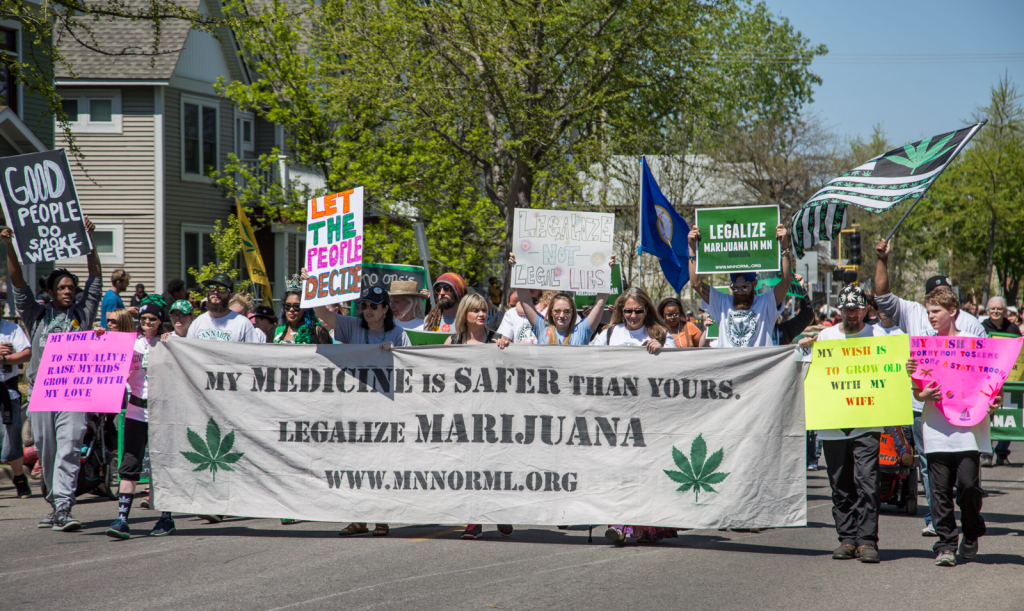
History doesn’t happen in textbooks; it happens in border towns and neighborhood bars. Our neighbors up in Minnesota just opened the door to adult-use cannabis, and you can feel the cultural weather change along the highways and river towns. More conversations. Fewer whispers. Different menus. Big ideas poured into small glasses. Not a gold rush—more like a potluck where everyone finally brings what they actually like to consume.

What does that mean on a Tuesday night? Maybe it’s a 2–5 mg sipper instead of a second beer. Maybe it’s a ride-share home and a good night’s sleep instead of another lap around the jukebox. Policy is still a moving target, but the everyday ritual is getting simpler and kinder to the body. If you want the quick lay of the land up north, this digest keeps it clean and useful: Minnesota’s Adult-Use Cannabis Market Is Live.

Columbus had hemp stitched into every inch of his vessels because it worked. That’s still the test: does it work for real people, in real places, on real nights? Start low, notice how you feel, and build your own map.

Modern Skin in the Game

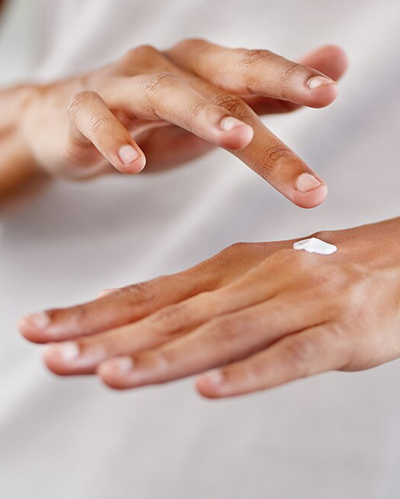
Hemp’s résumé keeps getting weirder and better: fiber and fuel in one century, beverage and balm in another. The eye-rolling hype isn’t helpful, but honest experiments are. Some folks are swapping the nightcap for a low-dose can. Others are putting cannabinoids where the day actually hurts—knees, elbows, sun-tired faces. The smartest move is the quiet one: read the label, check the COA, patch-test, give it two weeks, take notes like you’re your own chef de cuisine.

If skin health is on your list, this research-forward walkthrough separates signal from noise: CBD & Skin: What the Latest Science Actually Says. Hemp won’t fix history, but it can make the present a little more livable—one thoughtfully dosed drink, one well-made topical, one calmer night at a time.

Raise a glass to the stubborn fiber that got those creaking ships across an ocean—and to the modern versions that help us move through our own seas with a steadier hand.

Minnesota’s Adult-Use Cannabis Market Is Live

Minnesota’s Adult-Use Cannabis Market Is Live — Why It Matters in Wisconsin

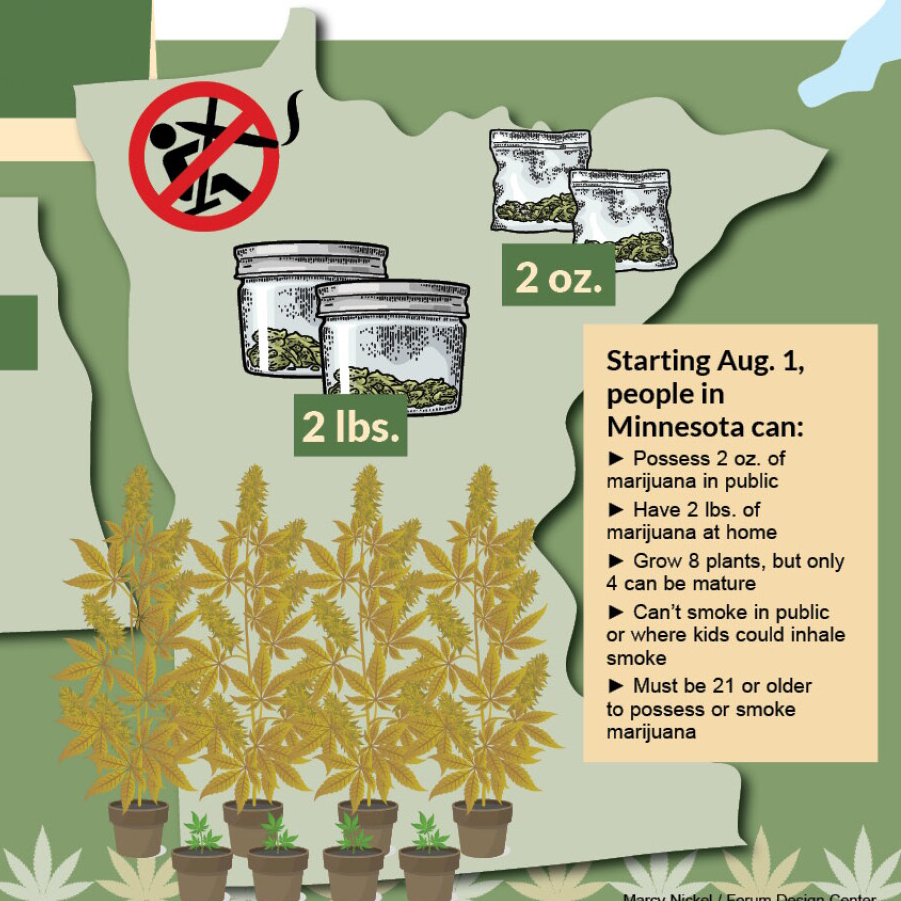
Our neighbors to the north-west just crossed a major milestone: Minnesota’s first non-tribal adult-use cannabis retailers have opened their doors. This launch follows two years of rulemaking after legalization, as medical dispensaries and newly licensed shops transition to serve both patients and adult consumers. The Office of Cannabis Management (OCM) says it will closely monitor supply, labeling, and age-verification as the market scales up, and more stores are expected to come online over the next several weeks.

From a Wisconsin perspective, the geography matters. Several Minnesota communities near our shared border are allowing adult-use retail, so Badger State residents may see more cross-border travel for tourism, events, and shopping. Early markets typically bring longer lines, evolving menus, and frequent regulatory updates—so plan ahead, check store hours, and confirm inventory before you drive.

Want a snapshot of where adult-use stores are appearing? The Star Tribune maintains a helpful locator you can bookmark: Map: See where you can legally buy marijuana in Minnesota. We’re cheering on our neighbors and the businesses working hard to launch responsibly.

Border Basics: What Minnesota’s Launch Does—and Doesn’t—Change

Even with Minnesota open for adult-use sales, the broader legal landscape still matters. State legalization does not override federal or out-of-state laws. That means Wisconsin residents who travel to Minnesota should follow common-sense guidelines: purchase only from licensed retailers, carry a valid ID, comply with purchase limits and local rules—and most importantly, do not transport cannabis across state lines. Use and possession must follow Minnesota law while you are physically in Minnesota.

Banking, taxes, and interstate commerce are also shaped by federal policy. A potential move of cannabis to Schedule III could ease certain tax burdens for licensed businesses, but it would not equal nationwide legalization or automatic pharmacy distribution. If you want a plain-English primer on what rescheduling would—and would not—do, we’ve got you covered here: Cannabis Rescheduling: What It Is—and What It Isn’t.

Bottom line for cross-border visitors: read posted store policies, keep purchases sealed until you’re at your destination, and follow local consumption ordinances. Responsible, informed choices help new markets thrive.

Wellness Angle for 2025: Hemp-Derived CBD Research Worth Watching

While adult-use cannabis rolls out in Minnesota, many Wisconsinites continue to explore hemp-derived options that fit their routines. Two recent science reads stand out. First, preclinical work from UC San Diego suggests CBD may help reduce alcohol-withdrawal symptoms and relapse-like behaviors while showing neuroprotective signals—an early but interesting direction if you follow harm-reduction research. Read the summary: CBD May Reduce Alcohol Withdrawal & Relapse Risk, UCSD Study Finds (2025).

Second, for skin health, a comprehensive review highlights CBD’s anti-inflammatory and antioxidant properties alongside formulation advances aimed at improving topical delivery. It’s a balanced look at where evidence is promising—and where larger human trials are still needed. Dive in here: CBD & Skin: What the Latest Science Actually Says.

As policy and science evolve, we’ll keep covering updates that help Wisconsin readers make informed, responsible choices. If the regulatory picture is part of your decision-making, don’t miss our neutral overview above—and congrats again to Minnesota on a safe, community-minded launch.