The Ache We Carry: What New Evidence Says About Back Pain & Cannabis

Back pain is the soundtrack under a lot of American days—commutes, desk chairs, old injuries that never sent a postcard before they came roaring back. Two large clinical trials in Europe just handed us something sturdier than rumor: a full-spectrum cannabis oil (THC + CBD + native compounds) beat placebo for chronic low-back pain, and in a separate head-to-head it delivered better relief and sleep over six months with fewer GI complaints than opioids. Not a miracle, not for everyone—but real signal through the static. And here at home, population data keep pointing in the same direction: when states open legitimate medical access, opioid prescribing drops on average, which suggests people and clinicians are looking for safer ways to manage hurt. If you want the numbers without the politics, start with this plain-English brief: Cannabis & Opioids: 16% Fewer Prescriptions After Legalization (2025 Study).
How People Are Actually Using THC & CBD For Backs That Bark

Low-dose THC for evening wind-down. Many back-pain folks start with 2–5 mg THC in a beverage or gummy, then wait 60–120 minutes before considering another small step. The goal isn’t oblivion—it’s dialing pain down enough to move, stretch, sleep. If you’re curious about formats and pacing, this consumer-friendly guide helps: THC Drinks Are Rising: A Simple Guide to Low-Dose Cannabis Beverages (2025).

CBD for daytime calm and sleep support. Early human data suggest some people notice reduced anxiety and better sleep inside a week on consistent CBD. For backs, calm isn’t cosmetic—it’s less guarding, smoother movement. Get the study snapshot here: New Study: CBD Use Linked to Lower Anxiety in Just One Week.

Topicals for local trouble spots. Balms and roll-ons won’t fix a disc, but many people use them like a fire extinguisher for hotspots—before long drives, after yard work, right before bed. Look for clear CBD/THC mg per container, menthol/capsaicin callouts if you like cooling/warming, and current COAs.

Safety notes, the kind you tell friends. Start low. Avoid mixing with alcohol. Older adults: mind dizziness and fall risk. THC may trigger a positive drug test. If you’re pregnant, nursing, on anticoagulants, sedatives, or other meds, loop in your clinician first. Not medical advice—just the careful way to try something new.

From Hemp Sails To Modern Relief: Build A Plan That Travels

Hemp carried wooden ships across impossible water because it was strong, simple, reliable. That same plant family still shows up when we need something that works in the real world—on hard weeks, in noisy houses, across long winters. If you like history with your health, this short read connects the old world to our sidewalks: Columbus Day & Hemp: How Fiber Powered Voyages—and Today.

Practical roadmap: pick one method (evening low-dose THC or daytime CBD), journal pain/sleep for 7–14 days, add a topical for flare-ups, and keep your movement routine humble but consistent. Adjust one variable at a time. Respect your state’s laws, don’t drive impaired, and keep products away from kids and pets.

And when Halloween rolls around and you’re logging ten thousand steps under a plastic mask while your back files a complaint, remember there are hemp-derived, lab-tested options built for nights like that—roll-ons, high-strength CBD tinctures, low-dose THC sippers. Workman’s Relief might have exactly what you need at the end of the block.

Our Recommendations//

Cannabis & Opioids: 16% Fewer Prescriptions After Legalization (2025 Study)

Pain, Policy, and the Places We Live

You don’t need a headline to know pain lives on every block. We’ve all seen it: pill bottles in glove compartments, restless nights, the slow dread of side effects that stack up like unpaid tabs. This week’s Wellness Wednesday looks at a different kind of map—the one that changes when states open a medical-cannabis lane. It’s not a cure-all, not a sermon. It’s a look at choices that feel a little more human and a little less punishing.

History reminds us that useful plants have been carrying us farther than we admit—sometimes literally. If you missed the story about hemp as the quiet workhorse behind age-old voyages, start here: Columbus Day & Hemp: How Fiber Powered Voyages—and Today.

What the New Study Says—In Plain English

Researchers from the University of Georgia and the University of Colorado analyzed prescription claims for 15–20 million insured Americans per year (2007–2020). Using a state-by-state, synthetic-control approach, they compared places with medical-cannabis laws to similar places without them. Their finding: medical-cannabis laws were associated with meaningful drops in opioid prescribing—about a 16% average reduction in the share of patients receiving an opioid, with some states seeing declines over 20%. They also observed fewer prescriptions per patient and shorter supplies.

Who felt the change? Pretty much everyone—across age, sex, and race/ethnicity—with especially large reductions among cancer patients and non-cancer Black patients (both over 20% in some analyses). Another signal: modest increases in NSAID use, consistent with substitution toward safer pain options. The authors are careful: this is association, not proof of individual outcomes—but the trend line points to a policy lever that may support safer pain management.

Turning Data into Daily Decisions

If pain has you looking for alternatives, think in layers. Talk to your clinician. Start low; go slow. Keep a simple log of dose, timing, and how you slept or moved the next day. Some people begin with non-intoxicating options to support calm and sleep—early human data suggest CBD may help certain folks feel better within a week; see our summary: New Study: CBD Use Linked to Lower Anxiety in Just One Week.

Others prefer a social, low-dose format they can pace—think 2–5 mg and a glass that lasts the evening. If that’s your speed, this guide keeps it practical: THC Drinks Are Rising: A Simple Guide to Low-Dose Cannabis Beverages (2025).

Not medical advice. Laws vary by state; follow local rules, don’t mix with driving, and keep products away from kids and pets. If hemp-derived options fit your routine, choose lab-tested, Farm-Bill–compliant products and build a plan that puts your well-being first.

Our Recommendations//

How To Use CBD Topicals for Pain Relief

How To Use CBD Topicals for Pain Relief

Chronic pain affects millions every day, and for many, traditional medications fall short or come with side effects. CBD topicals offer a natural, effective alternative that delivers relief right where you need it — without the high. Whether you're managing post-work soreness, inflammation, or joint discomfort, CBD lotions like our popular Elbow Grease CBD Cream bring focused comfort to the areas that need it most.

Unlike THC, CBD won’t alter your state of mind, and research shows it carries no risk of dependency. According to a World Health Organization report, CBD shows no evidence of abuse potential or public health risks — which is why it's become a go-to ingredient for natural wellness seekers.

Why Choose a Topical Like Elbow Grease?

Issue Typical Treatment CBD Topicals (like Elbow Grease)
Joint & Muscle Pain NSAIDs or painkillers with side effects Direct, soothing relief at the source
Inflammation Steroids or systemic medications Natural anti-inflammatory effect on contact
Recovery Ice packs, creams, or muscle rubs Fast-absorbing and skin-nourishing recovery aid

Peer-reviewed studies support the benefits of CBD topicals for chronic pain, including arthritis and fibromyalgia (Arthritis Foundation, University of Michigan, PubMed).

How to Apply CBD Creams for Maximum Relief

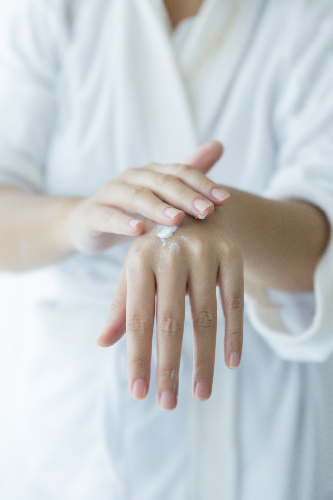
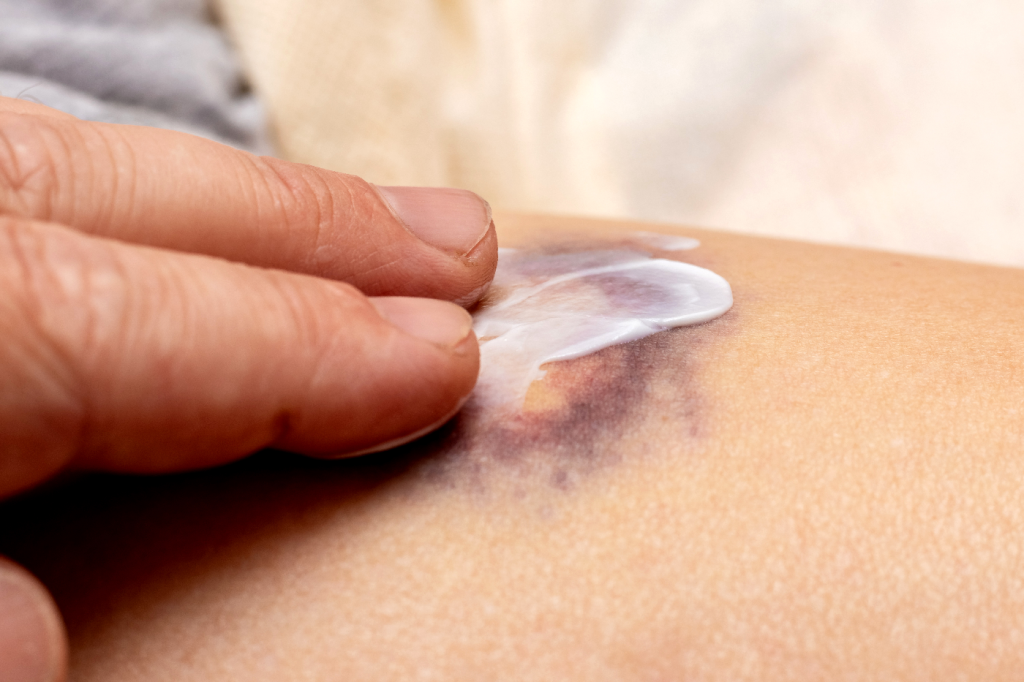
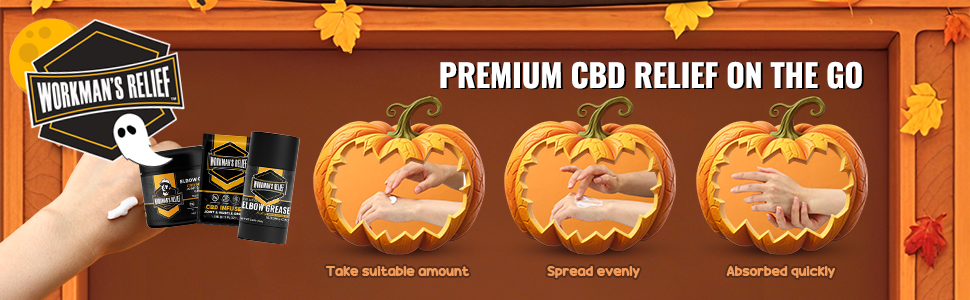
Using CBD topicals is simple: apply a dime-sized amount directly to the area that’s bothering you, and gently massage it in. Products like Elbow Grease CBD Lotion are designed to absorb quickly and begin working fast.

Whether you’re looking to wind down after work or manage everyday joint and muscle discomfort, consistent daily use delivers the best results. Plus, Elbow Grease is formulated with natural ingredients like peppermint oil and arnica to boost the soothing effect — so your skin gets as much love as your joints do.

Looking for a more natural way to move through your day with ease? Let CBD lotion be your new go-to.

CBD and Chronic Pain — A Natural Alternative Backed by Data

A newly published peer-reviewed study in Cureus shows that CBD significantly reduces chronic pain levels—even at low dosages. Surveying 121 adults experiencing long-term pain, researchers found that over 98% of participants reported meaningful relief with minimal side effects. The findings support what Workman’s Relief customers have known for years: CBD is a promising and practical solution for those seeking an alternative to conventional pain medications.

What the Data Says — Pain Scores Before vs. After CBD

Here’s a breakdown of key findings from the study, which assessed self-reported pain levels before and after CBD use. On average, participants reported a 2.8-point reduction in pain on a 10-point scale:

Metric Before CBD After CBD Improvement
Average Pain Score 5.4 2.6 ↓ 2.8 points
% with Relief — 98.3% Reported Benefit
Side Effects Mild: Drowsiness, fatigue (29.8%). No severe side effects reported.

Most patients experienced relief with doses under 100mg and used CBD three or fewer times daily—suggesting that even small doses can make a big difference in managing chronic pain.

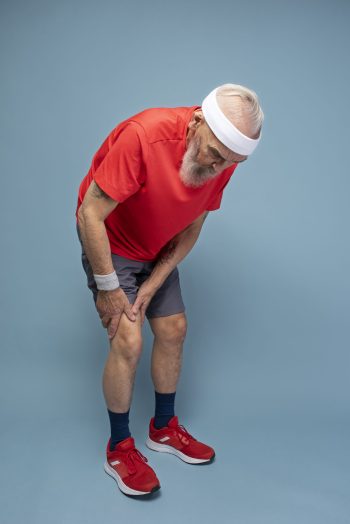
full-shot-man-with-knee-pain

What This Means for You

If you or someone you know is dealing with chronic pain, these findings are more than encouraging—they’re empowering. With high efficacy, low risk of side effects, and no psychoactivity, CBD stands out as a reliable tool for pain relief. At Workman’s Relief, we remain committed to producing clean, effective, and fully compliant CBD products using organically grown hemp from Wisconsin.

Explore our line of full-spectrum and broad-spectrum CBD oils, muscle creams, and THC-free gummies designed with your relief in mind. Relief is real—and we’re here to deliver it, naturally.