The Ache We Carry: What New Evidence Says About Back Pain & Cannabis

Back pain is the soundtrack under a lot of American days—commutes, desk chairs, old injuries that never sent a postcard before they came roaring back. Two large clinical trials in Europe just handed us something sturdier than rumor: a full-spectrum cannabis oil (THC + CBD + native compounds) beat placebo for chronic low-back pain, and in a separate head-to-head it delivered better relief and sleep over six months with fewer GI complaints than opioids. Not a miracle, not for everyone—but real signal through the static. And here at home, population data keep pointing in the same direction: when states open legitimate medical access, opioid prescribing drops on average, which suggests people and clinicians are looking for safer ways to manage hurt. If you want the numbers without the politics, start with this plain-English brief: Cannabis & Opioids: 16% Fewer Prescriptions After Legalization (2025 Study).
How People Are Actually Using THC & CBD For Backs That Bark
Low-dose THC for evening wind-down. Many back-pain folks start with 2–5 mg THC in a beverage or gummy, then wait 60–120 minutes before considering another small step. The goal isn’t oblivion—it’s dialing pain down enough to move, stretch, sleep. If you’re curious about formats and pacing, this consumer-friendly guide helps: THC Drinks Are Rising: A Simple Guide to Low-Dose Cannabis Beverages (2025).
CBD for daytime calm and sleep support. Early human data suggest some people notice reduced anxiety and better sleep inside a week on consistent CBD. For backs, calm isn’t cosmetic—it’s less guarding, smoother movement. Get the study snapshot here: New Study: CBD Use Linked to Lower Anxiety in Just One Week.
Topicals for local trouble spots. Balms and roll-ons won’t fix a disc, but many people use them like a fire extinguisher for hotspots—before long drives, after yard work, right before bed. Look for clear CBD/THC mg per container, menthol/capsaicin callouts if you like cooling/warming, and current COAs.
Safety notes, the kind you tell friends. Start low. Avoid mixing with alcohol. Older adults: mind dizziness and fall risk. THC may trigger a positive drug test. If you’re pregnant, nursing, on anticoagulants, sedatives, or other meds, loop in your clinician first. Not medical advice—just the careful way to try something new.

From Hemp Sails To Modern Relief: Build A Plan That Travels
Hemp carried wooden ships across impossible water because it was strong, simple, reliable. That same plant family still shows up when we need something that works in the real world—on hard weeks, in noisy houses, across long winters. If you like history with your health, this short read connects the old world to our sidewalks: Columbus Day & Hemp: How Fiber Powered Voyages—and Today.
Practical roadmap: pick one method (evening low-dose THC or daytime CBD), journal pain/sleep for 7–14 days, add a topical for flare-ups, and keep your movement routine humble but consistent. Adjust one variable at a time. Respect your state’s laws, don’t drive impaired, and keep products away from kids and pets.
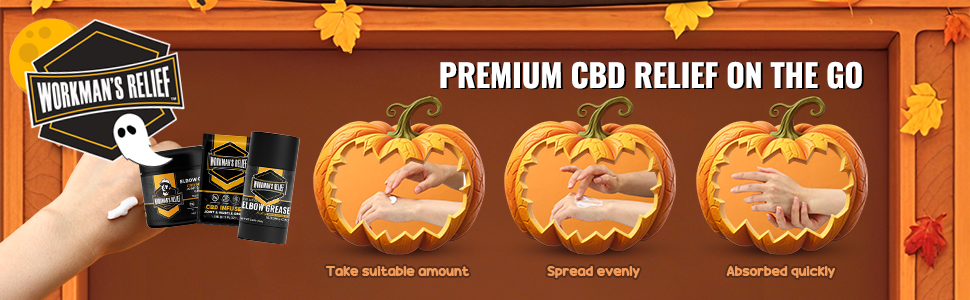
And when Halloween rolls around and you’re logging ten thousand steps under a plastic mask while your back files a complaint, remember there are hemp-derived, lab-tested options built for nights like that—roll-ons, high-strength CBD tinctures, low-dose THC sippers. Workman’s Relief might have exactly what you need at the end of the block.
Our Recommendations//