Can CBD-Rich Cannabis Help with Autism Spectrum Disorder?

Looking Ahead: CBD’s Future Role in ASD Care

As more states expand their qualifying conditions for medical cannabis, the scientific community is exploring CBD’s therapeutic potential with renewed interest. The latest Cureus review joins a growing body of literature supporting CBD’s potential role in ASD management. Still, researchers urge caution: more randomized controlled trials (RCTs) are needed to determine optimal dosing, long-term outcomes, and interactions with existing therapies. What’s clear is that interest in cannabinoid-based interventions is increasing across both healthcare and legislative arenas. With its anti-inflammatory, neuroprotective, and anxiolytic properties, CBD could soon become a valuable option for those seeking new ways to manage complex neurodevelopmental conditions like autism.

The Shift in Sports Medicine – Cannabis and NCAA Athletes

Cannabis as a Rising Alternative in Sports Pain Management

As perceptions around cannabis evolve, so does its role in sports medicine. New research presented by Jacksonville State University has shown that cannabis use among NCAA athletes may help manage pain, muscle spasms, inflammation, and even sleep quality. These findings come on the heels of the NCAA's decision to remove marijuana from its list of banned substances, reflecting a broader shift toward athlete well-being over punitive measures.

The report cited benefits for conditions like fibromyalgia, highlighting marijuana’s anti-inflammatory properties and its potential to support recovery and post-exercise treatment. Although researchers stress the need for more robust studies, early evidence is promising.

This shift aligns with broader policy changes across professional sports leagues and reflects growing interest in holistic alternatives to traditional medications.

Is Cannabis More Effective Than Traditional Pain Medications?

A growing body of research suggests cannabis may rival or outperform common prescription medications in pain management. In one study, patients reported marijuana as being as effective or better than opioids after three months of use. Below is a comparison of cannabis and traditional medications based on recent findings:

Treatment Type Effectiveness Reported Side Effects Reduction in Other Meds
Medical Cannabis Moderate to High Mild (dry mouth, drowsiness) Yes – opioids, NSAIDs
Prescription Opioids High (short term) High (addiction risk, nausea) No
Non-Opioid Pain Meds Moderate Moderate (GI issues, fatigue) No

Studies also indicate a drop in opioid overdose deaths in states with legalized cannabis access. These findings underscore the potential of marijuana to serve as a safer, effective alternative for chronic pain management—especially in high-impact communities like sports and athletics.

Athletic Policy Reform and the Path Ahead


Policy shifts by the NCAA, NFL, UFC, and others reflect a cultural and clinical pivot away from penalizing cannabis use and toward embracing its therapeutic potential. These changes are backed by studies suggesting that cannabis can lower pain, improve sleep, and reduce dependency on high-risk drugs.

While not every athletic body has aligned with this reform—such as the World Anti-Doping Agency—many U.S.-based leagues are taking progressive steps. States like Nevada have even adopted legislation to shield athletes from penalties for lawful marijuana use.

As more athletes, trainers, and healthcare providers explore cannabis as part of a recovery and wellness toolkit, it’s essential to stay informed. At Workman’s Relief, we’re committed to supporting education, access, and responsible product development in the ever-evolving world of cannabinoid wellness.

CBD Mouthwash: Natural Plaque Prevention & Oral Health Benefits

New research highlights how CBD-infused mouthwash may support oral health by reducing plaque buildup, inflammation, and harmful bacteria. A recent study published in the journal Clinical Advances in Dental Medicine and Oral Health found that mouthwash containing CBD, tea tree oil, and spilanthol was significantly more effective than tea tree oil alone in addressing common oral health concerns.

Key Findings from the Study:

  • Reduced plaque biofilm accumulation—a key factor in preventing cavities and gum disease.
  • Decreased gum inflammation—helping with gingivitis and periodontal health.
  • Improved oral microbiome balance—supporting long-term gum and dental wellness.

Oral inflammation has been linked to overall health risks, including cardiovascular disease, diabetes, and pregnancy complications. This research suggests that incorporating CBD into oral care routines may contribute to a healthier body, not just a cleaner mouth.

Source: Clinical Advances in Dental Medicine and Oral Health

CBD & Biofilm Control: A New Approach to Oral Care

Biofilms are bacterial colonies that accumulate on surfaces, including teeth, dentures, and even medical devices. CBD has been found to play a powerful role in disrupting biofilm formation, reducing harmful bacteria, and preventing oral infections.

Benefit CBD’s Role
Biofilm Prevention CBD disrupts bacterial colonies that contribute to plaque buildup.
Antibacterial Effects CBD targets harmful bacteria without disrupting beneficial microbes.
Inflammation Control Reduces gum inflammation and irritation, promoting healthier gums.

Another study published in the journal Molecules found that CBD-infused denture coatings reduced biofilm formation by 99%, highlighting its potential as a natural alternative to antibiotics in oral care.

Sources: Molecules Journal – CBD & Denture Biofilm Prevention | Pharmaceutics Journal – CBD’s Antibacterial Effects

Beyond Oral Health: CBD’s Role in Personal Care

CBD’s applications extend far beyond dental care. Recent studies show that its anti-inflammatory, antimicrobial, and antioxidant properties make it a valuable ingredient in multiple personal care products:

  • Wound Healing: Research suggests that CBD’s ability to reduce oxidative stress can help accelerate skin repair.
  • Anti-Aging Skincare: Its antioxidant properties protect skin from environmental damage and premature aging.
  • Women’s Health: Emerging studies indicate CBD may assist in managing bacterial imbalances in vaginal health.

One study published in the National Center for Biotechnology Information found that CBD could be a promising treatment for bacterial vaginosis, further showcasing its antibacterial potential.

Sources: National Center for Biotechnology Information – CBD & Bacterial Biofilms | Pharmaceutics Journal – CBD & Wound Healing


Final Thoughts

With growing scientific evidence supporting CBD’s effectiveness in oral and personal care, the future of plant-based wellness continues to expand. Whether in mouthwash, skincare, or other wellness applications, CBD is proving to be a versatile and valuable ingredient.

The Emerging Role of Cannabis in Cancer Symptom Management

Recent studies have explored how cannabis may support individuals experiencing cancer-related symptoms, including pain, nausea, and sleep disturbances. A study conducted through the Minnesota Medical Cannabis Program surveyed 220 cancer patients, revealing that:

  • 83-91% of patients reported improvements in pain, insomnia, and stress.
  • 69-80% noted better appetite and relief from digestive discomfort.
  • 50% experienced improvements in fatigue and neuropathy.

These findings align with broader trends in cannabis research. According to the National Cancer Institute (NCI), between 20-40% of individuals receiving cancer treatment use cannabis products to manage symptoms.

Symptom % of Patients Reporting Improvement
Pain, Insomnia, Stress 83-91%
Appetite & Digestive Health 69-80%
Fatigue & Neuropathy ~50%

These data points suggest that cannabis-based wellness products may play a role in holistic health approaches, particularly for those managing chronic conditions. However, further research is needed to optimize usage recommendations and understand long-term effects.

How Different Cannabinoids May Support Well-Being

Scientists continue to investigate how different cannabinoids interact with the body’s endocannabinoid system (ECS), which plays a role in regulating pain, mood, and immune response. Here are some key cannabinoids being studied:

Cannabinoid Potential Benefit
CBD (Cannabidiol) Supports relaxation, mood balance, and inflammation response.
THC (Tetrahydrocannabinol) May help with pain relief, nausea reduction, and appetite stimulation.
CBG (Cannabigerol) Emerging research suggests potential neuroprotective benefits.

As cannabis research expands, new findings may refine how these compounds are used to support
well-being. Individuals interested in incorporating cannabinoids into their routine should consult with
a healthcare professional to determine the best approach.

Accessibility and the Future of Cannabis Research


One key challenge in cannabis wellness is accessibility. While many individuals report
benefits, coverage under insurance remains limited. A recent government-backed study in Minnesota
found that patients with financial constraints were more likely to reduce cannabis use due to cost.

  • 54% of financially constrained patients used cannabis less than they would like.
  • 85% of this group cited cost as a major barrier.
  • 24.6% of patients reduced the use of other pain medications after starting cannabis.

Researchers emphasize that if cannabis-based wellness products continue to show promise, policy
discussions will be needed to explore ways to ensure equal access. The future of cannabis research
will likely focus on dosage optimization, safety guidelines, and long-term effects.

As more studies emerge, consumers can make informed choices about how cannabis-based solutions
might fit into their overall wellness approach. Stay informed by following the latest research
and industry developments.

Cannabis for Pain and Sleep – A Game Changer for Older Adults

Marijuana: A Safe and Effective Treatment for Pain and Sleep

New research highlights the effectiveness of marijuana in treating pain and improving sleep, especially among older adults. A recent study published in the journal Cannabis found that cannabis use among individuals aged 50 and older led to significant improvements in pain management, sleep quality, and overall well-being.

Among 229 participants in British Columbia and Ontario, Canada, nearly 90% used marijuana to alleviate pain-related conditions such as chronic pain and arthritis. Over six months, 45% of participants reported substantial pain relief, while nearly half reduced their reliance on prescription medications. Notably, the majority preferred oral cannabis products, such as edibles and tinctures, favoring high-CBD, low-THC formulations for therapeutic benefits without strong psychoactive effects.

Importantly, the study found that marijuana was well-tolerated, with less than 5% of participants reporting minor side effects such as nausea or feeling “too high.” The results underscore the growing acceptance of cannabis as a natural, cost-effective alternative to traditional pain relief methods.

Cannabis as an Alternative to Opioids – What the Research Says

In addition to its direct benefits for pain and sleep, medical marijuana appears to play a role in reducing opioid dependence. A federally funded study in the U.S. discovered that legal access to cannabis was associated with fewer opioid prescriptions among insured adults, suggesting that many patients are choosing marijuana over conventional painkillers. Furthermore, states with legal medical or recreational cannabis programs have reported a decline in opioid-related overdoses. Researchers found that opioid prescription rates dropped by up to 8% in regions where CBD products became legally available. Additionally, a study conducted in Utah revealed that marijuana access helped reduce opioid use among chronic pain patients and contributed to a decline in overdose fatalities statewide. These findings highlight a growing trend—more individuals are turning to cannabis as a safer, plant-based alternative for pain relief. With its anti-inflammatory and analgesic properties, marijuana is proving to be a promising solution in the ongoing fight against opioid dependence.

Improving Sleep with Medical Marijuana

Beyond pain relief, marijuana is gaining popularity as a natural sleep aid. A recent survey revealed that 16% of adults aged 21 and older use cannabis to enhance sleep quality—outpacing prescription sleep medications (12%) and alcohol (11%). Among older adults, cannabis use for sleep has nearly doubled in the past three years, with many users reporting improved rest and reduced reliance on pharmaceutical sleep aids.

Scientific studies support these claims. Research shows that cannabis helps individuals with fibromyalgia and other chronic conditions experience deeper, more restorative sleep. Unlike traditional sleep medications, which may lead to dependency or grogginess, cannabis offers a gentler alternative with fewer side effects.

Whether used for pain relief or sleep support, marijuana continues to demonstrate its effectiveness as a natural wellness solution. As research progresses, more individuals are discovering the benefits of cannabis for a better quality of life.

CBD and THCV Linked to Weight Loss and Improved Health Markers

A recent study published in the journal Cannabis highlights how a daily regimen of two cannabis-derived compounds—THCV (tetrahydrocannabivarin) and CBD (cannabidiol)—may support healthier body weight, lower blood pressure, and improved cholesterol levels. Over the course of 90 days, 44 adults were given once-daily mucoadhesive oral strips that contained CBD or THCV or a placebo.

The findings were noteworthy: Participants who used the strips experienced a statistically significant drop in body weight, saw reductions in waist circumference, and reported lower total and LDL (“bad”) cholesterol. Two dosage levels were compared—one at 8 mg THCV and 10 mg CBD per strip, and another at 16 mg THCV and 20 mg CBD per strip. The higher dosage appeared even more effective, resulting in an average weight loss of about 9 pounds.

Importantly, people were not asked to make any changes to their diet or exercise routines. This suggests that the cannabinoids themselves may support metabolism and overall health in ways that encourage measurable weight reduction. The study does note, however, that THCV use can sometimes lead to a positive THC result on standard drug tests, which could be relevant for those regularly tested for cannabis metabolites.

Metabolic Effects and Minor Cannabinoids

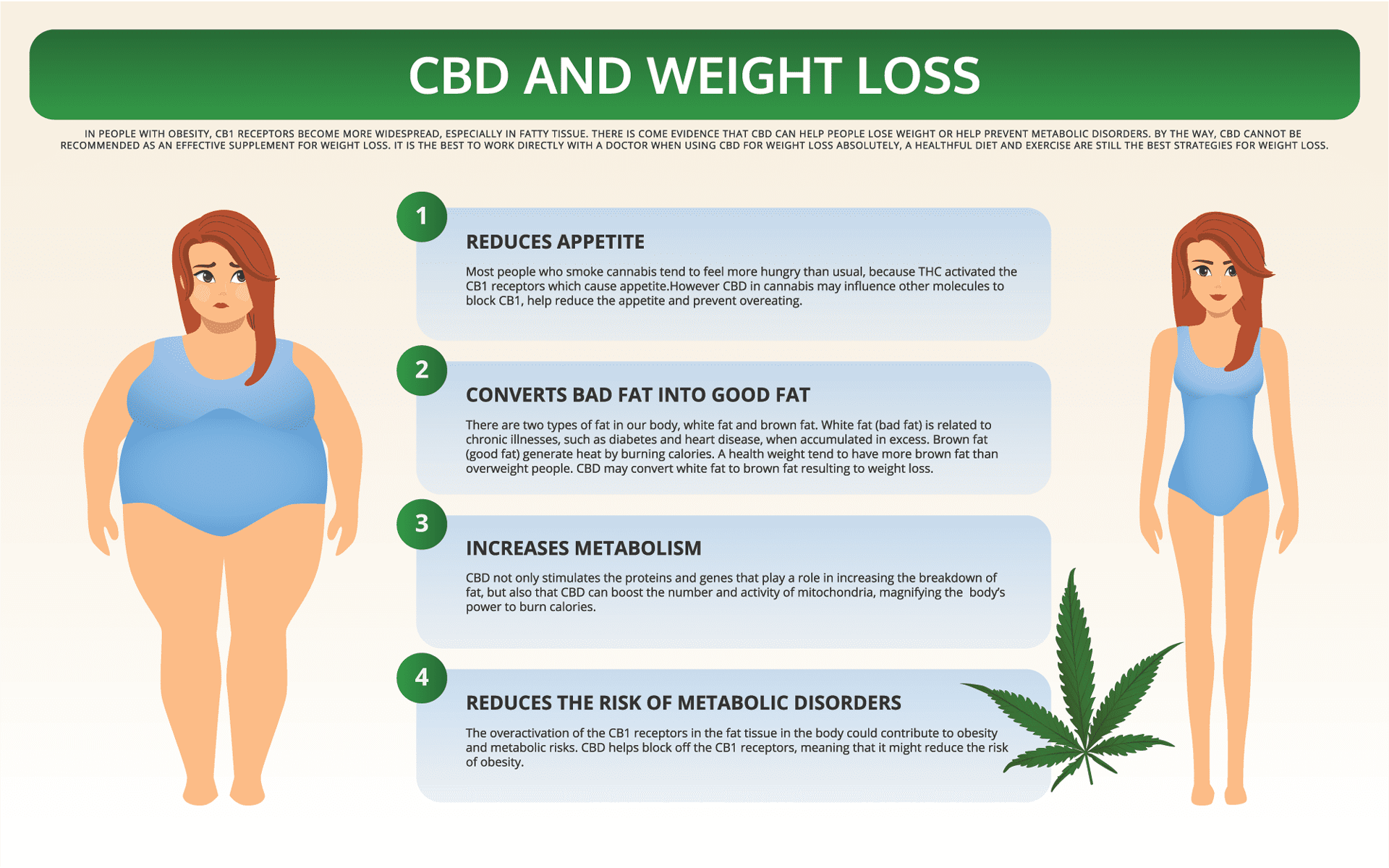
Research into how cannabinoids affect the human body is rapidly evolving, especially regarding so-called “minor cannabinoids” like THCV and CBD. Preliminary findings suggest these compounds may influence energy balance, appetite, and metabolic health. For instance, CBD has been linked to metabolic benefits such as higher activity in brown adipose tissue—often associated with burning calories and generating heat.

Beyond direct weight management, studies also report that THCV and CBD may help reduce elevated blood pressure, lower harmful cholesterol levels, and support healthy blood sugar regulation. While these findings are promising, scientists emphasize the need for larger, more controlled studies to confirm specific dosing guidelines, efficacy, and long-term safety.

As with any wellness intervention, it’s vital for individuals to speak with healthcare professionals before using cannabis-based products, particularly if they are on other medications or managing chronic conditions.

Cannabis Use and Physical Activity

In addition to potential metabolic advantages, emerging research challenges the stereotype of the “lazy stoner.” Multiple studies show that regular cannabis consumers can have lower body mass indexes (BMIs) and even engage in more physical activity compared to non-users. Some reports suggest that ingesting cannabis prior to exercise may enhance the “runner’s high,” reduce workout-related discomfort, and improve overall enjoyment.

For older adults, certain cannabinoids may even help promote consistency in exercise habits. While more data is needed to fully grasp how different cannabinoid blends affect lifestyle factors, these initial findings suggest that THCV, CBD, and other components of cannabis may play a supportive role in weight management and overall health.

As this field continues to evolve, researchers worldwide are exploring how targeted cannabinoid treatments might complement traditional weight loss and wellness programs. Consult a healthcare provider to learn whether cannabis-based options are appropriate for your health goals.

CBD Use on the Rise – More Than 1 in 10 Americans Report Using CBD

New research reveals that over 10% of Americans have used CBD in the past month, highlighting the growing mainstream acceptance of hemp-derived products. The study, published in Preventative Medicine Reports, analyzed data from the 2022 National Survey on Drug Use and Health (NSDUH), showing that CBD use is especially common among individuals who also consume marijuana.

The findings indicate that among people who have used marijuana in the past 30 days, 40.7% also used CBD. Additionally, past-year marijuana users reported a 32.2% CBD usage rate. Even those who have only tried marijuana in the past reported a 19.1% likelihood of using CBD.

However, CBD use isn’t limited to cannabis consumers. Among individuals with no history of marijuana use, about 5% reported taking CBD in the past month, demonstrating its broad appeal for wellness and therapeutic benefits.

As consumer demand for CBD continues to rise, it's clear that many are turning to hemp-derived products for relaxation, relief, and overall well-being.

The Future of CBD – Market Growth & Potential Policy Changes

The CBD industry continues to evolve, with increasing consumer demand driving both innovation and regulatory discussions. The 2018 Farm Bill legalized hemp-derived CBD, but new policy changes may be on the horizon as Congress works on the next version of the Farm Bill.

Potential legislative updates could reshape the hemp industry. While some lawmakers advocate for reducing regulatory barriers for hemp farmers, others seek to impose stricter controls, especially regarding synthesized cannabinoids.

At the same time, scientific research into CBD’s benefits is expanding. Upcoming studies funded by the National Institute on Drug Abuse (NIDA) will examine whether hemp-derived CBD can help reduce marijuana dependency and act as a natural alternative for THC users.

The momentum behind CBD isn’t slowing down. Consumers are embracing hemp-based products for their potential therapeutic properties, and businesses are responding with innovative, high-quality offerings.

As the industry navigates regulatory shifts, one thing is certain—CBD is here to stay, and its role in health, wellness, and alternative medicine will only continue to grow.

Why People Are Choosing CBD – Health Benefits & Growing Acceptance

CBD’s increasing popularity can be attributed to its potential health benefits and the growing trust in natural remedies. Many individuals use CBD for relaxation, pain relief, anxiety management, and even as a substitute for other substances.

According to researchers, CBD may help alleviate alcohol cravings, suggesting its potential as a treatment for alcohol use disorder (AUD). Other studies indicate that CBD could play a role in reducing opioid prescriptions, potentially leading to 6.6% to 8.1% fewer opioid prescriptions.

Beyond addiction management, a 2023 study in the Journal of Dental Research found that pure CBD provides pain relief comparable to commonly used opioid formulas in dental procedures. This positions CBD as a promising alternative to traditional pain medications.

As acceptance grows, mainstream retailers are also taking notice. DoorDash recently announced plans to expand CBD product offerings, including gummies and beverages, making it easier than ever for consumers to access high-quality hemp-derived products.

With its versatility and increasing availability, CBD is becoming an essential part of many people’s wellness routines.

What is Delta-9 THC?

If you’ve been hearing a lot about Delta-9 THC lately, you’re not alone. With the cannabis industry evolving rapidly, it’s important to understand what Delta-9 really is and how it fits into the broader landscape of THC products. Let’s dive into the facts and clear up any confusion!

What is Delta-9 THC?

Delta-9 THC is the primary psychoactive compound found in cannabis, responsible for the classic “high” associated with marijuana use. Whether sourced from hemp or marijuana, Delta-9 THC is chemically identical and delivers the same effects, making it the same traditional THC or weed as we know it.

Delta-9: The Real Deal

Figure 1: Delta-9 THC is the same compound found in traditional marijuana.

Farm Bill Compliant

Legal and Safe

Our Delta-9 THC products are fully compliant with the 2018 Farm Bill. Derived from industrial hemp, they contain no more than 0.3% THC by dry weight, ensuring they are federally legal and safe for consumption across most states. This compliance guarantees that you’re getting a product that meets all legal standards without compromising on quality.

Trusted Quality Assurance

Figure 2: Our products adhere to the 2018 Farm Bill regulations.

Why Choose Delta-9 THC?

Same Effects, More Accessibility

Delta-9 THC offers the same euphoric and relaxing effects as traditional marijuana, but with the added benefit of broader legal availability. Unlike marijuana, which is restricted to dispensaries in states where it’s legal, hemp-derived Delta-9 can be sold in various retail locations, making it easier for consumers to access their preferred products.

Standard Dosage Information


Figure 3: Dosage card.

Wrapping It Up

Delta-9 THC is not just another buzzword—it’s the same psychoactive compound found in traditional marijuana, now more accessible and legally available thanks to the 2018 Farm Bill. Whether you’re a seasoned cannabis user or new to THC products, Delta-9 offers a reliable and genuine experience that aligns with federal regulations. Embrace the Delta-9 movement and enjoy the benefits of real weed with the convenience of broader legal availability.

From all of us here, we wish you a smooth and enjoyable journey with Delta-9 THC!

THC and CBD for Chronic Pain Relief

Chronic pain is a challenging condition that affects millions, often leading to dependency on opioid painkillers. While CBD and THC cannot replace traditional medications, they show promise as complementary options for managing pain. Many users report significant relief, and researchers are exploring how these cannabinoids could reduce reliance on opioids.

Why CBD and THC for Pain?

CBD: Known for its anti-inflammatory and pain-relieving properties, CBD does not produce a “high.” Studies show that CBD interacts with multiple receptors associated with pain reduction, providing relief without psychoactive effects.
THC: THC binds to cannabinoid receptors in the central nervous system to provide pain relief and reduce inflammation, similar to common painkillers like ibuprofen. This can be particularly helpful for those experiencing intense or persistent pain.

Reducing Opioid Dependency with Cannabinoids

Research shows that in states where marijuana is legalized, opioid-related emergency room visits dropped by nearly 8%. Some studies even suggest that CBD and THC might help lessen the amount of opioids needed for pain relief, potentially decreasing the risk of addiction.
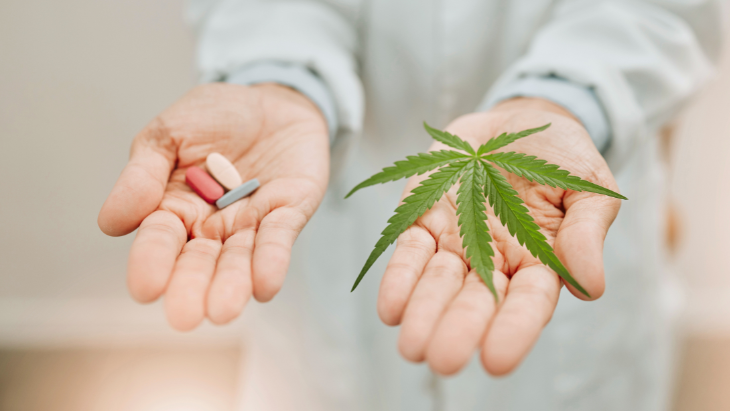
Benefits of Using CBD and THC for Chronic Pain

  • Natural Pain Relief: CBD and THC provide a natural alternative to opioids, offering pain relief without the severe risks associated with opioid addiction.
  • Anti-Inflammatory Effects: Both cannabinoids help reduce inflammation, a key factor in managing chronic pain.
  • Complementary to Opioids: Some studies show that cannabinoids might work alongside opioids, potentially allowing for lower opioid dosages.
  • Controlled Dosing: CBD and THC products come in various forms, allowing users to adjust dosage based on their needs.

Using CBD and THC Safely for Pain Management

  1. Start with a Low Dose: Begin with a small dose of CBD or THC and gradually increase as needed to find the right balance.
  2. Track Your Relief: Monitor your pain levels and how you feel at different doses to understand what works best for you.
  3. Consult with a Professional: Always speak to a healthcare provider, especially if you’re currently on medication or have underlying health conditions.
  4. Opt for Quality Products: Choose lab-tested products from reputable sources like Workman’s Relief to ensure safety and effectiveness.
Finding the Right Workman’s Relief Product for Chronic Pain

Workman’s Relief offers a range of CBD and THC products that can help manage chronic pain. For those seeking non-psychoactive relief, CBD products provide an option for daily use. For those who tolerate THC well and seek more potent effects, our THC-inclusive products can enhance pain relief.

To explore our full selection and find the best product for your needs, browse our CBD and THC products today.

Exploring the Future of Cannabinoids in Pain Management

Cannabis research is expanding, and with more studies, we are likely to see new insights into how CBD and THC can support chronic pain management. As marijuana legalization continues, its potential as a medical solution for pain relief will continue to grow, bringing new hope to those affected by chronic pain.

CBD & THC Tinctures for Anxiety Relief

Anxiety and tension are common mental health challenges, and at Workman’s Relief, we’re committed to helping people find natural ways to alleviate these symptoms. Our CBD and THC tinctures offer a powerful, plant-based alternative for those seeking to manage stress, anxiety, and tension safely and effectively.

What Are CBD and THC?

CBD: Known for its calming effects, CBD is non-psychoactive, meaning it won’t produce a “high.” Research indicates that CBD can reduce anxiety at all doses, making it an excellent choice for anxiety relief without altering mental clarity.

THC: THC is the psychoactive compound that produces a “high.” At lower doses, THC can reduce anxiety and promote relaxation. However, higher doses may lead to increased anxiety, paranoia, or panic, especially in those sensitive to its effects.

How the Endocannabinoid System (ECS) Supports Anxiety Relief

The endocannabinoid system (ECS) plays a crucial role in regulating stress, anxiety, and fear responses. The ECS consists of receptors in the brain and body that interact with cannabinoids like CBD and THC to help maintain emotional balance. By activating the ECS, CBD and THC can help create a sense of calm, balance mood, and relieve tension.
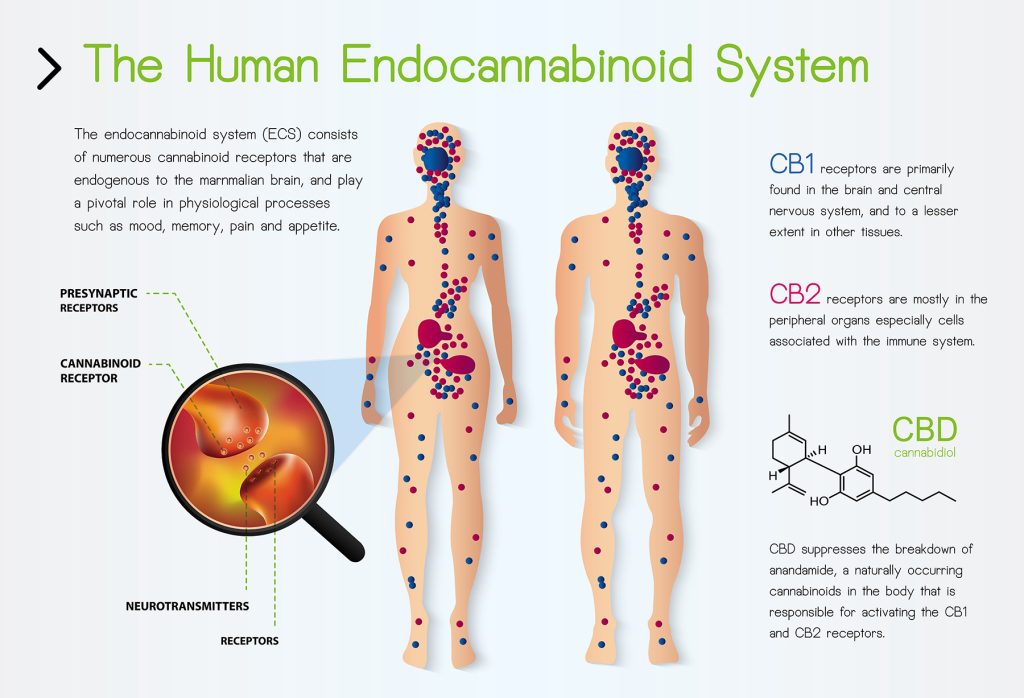
Benefits of CBD and THC Tinctures for Anxiety Relief

  • Natural Relief: CBD and THC tinctures provide a natural alternative to pharmaceuticals, which may come with undesirable side effects.
  • Quick Absorption: Taken sublingually, tinctures absorb rapidly into the bloodstream, offering fast relief from anxiety and tension.
  • Controlled Dosing: Tinctures allow for precise dosing, so you can easily adjust based on your needs and tolerance.
  • Versatile Usage: Tinctures can be taken discreetly and used at any time, making them ideal for both situational anxiety and daily stress management.

How to Use CBD and THC Tinctures Safely

  1. Start Slow: Begin with a low dose, especially if you are new to THC, and gradually increase as needed.
  2. Monitor Your Response: Track how you feel with different doses to find your ideal level of relief.
  3. Consult a Healthcare Professional: Speak with your doctor if you have existing conditions or are on medications that may interact with cannabis products.
  4. Choose Quality Products: Only purchase lab-tested CBD and THC tinctures from reputable sources, like Workman’s Relief, to ensure purity and potency.
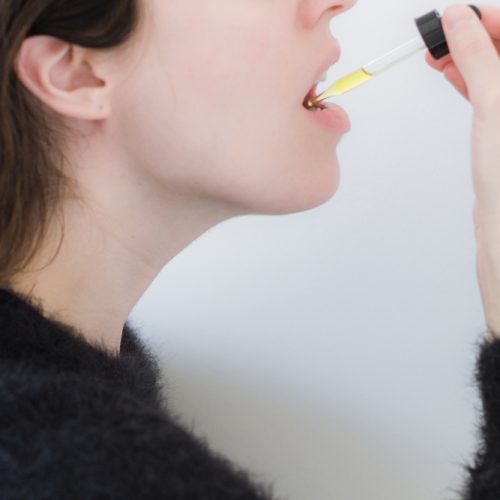
 

Finding the Right Workman’s Relief Tincture for You

For those seeking a balanced approach to anxiety relief, our CBD-rich tinctures are often a safer option, as they provide calming effects without psychoactivity. However, if you are comfortable with THC and looking for enhanced relief, a low-dose THC tincture might be suitable.

To explore the full range of Workman’s Relief tinctures and find the best fit for your needs, browse our CBD and THC tinctures today.

Is CBD or THC Right for Your Anxiety?

CBD is generally a safer option for most people, particularly those with generalized anxiety disorder or situational anxiety. THC can provide relief but may also increase anxiety at higher doses, making it suitable only for those who tolerate it well and prefer a mild psychoactive experience.

CBD has shown effectiveness across all doses tested in research and does not produce intoxication, making it ideal for daytime use and ongoing anxiety management.